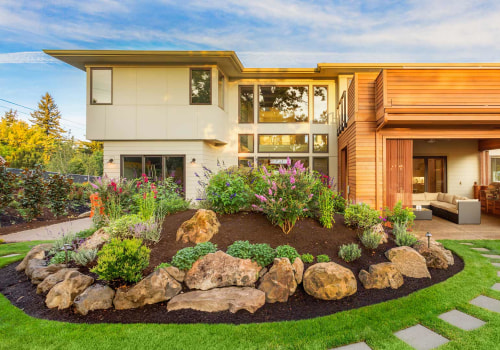
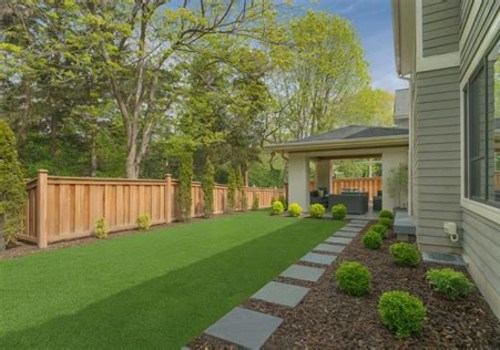
When considering a landscape renovation, one of the most pressing questions homeowners often ask is, "how long does landscape renovation take?" Understanding the landscape renovation timeline is crucial for planning and managing expectations. The duration of a landscape project can vary significantly based on several factors, including the scope of work, the size of the area being renovated, and the specific elements involved, such as hardscaping, planting, and irrigation systems. Typically, a landscape renovation can take anywhere from a few days to several weeks or even months. Smaller projects, like adding new flower beds or updating existing plants, may be completed in just a few days. In contrast, more extensive renovations that involve major changes—such as installing patios, walkways, or extensive garden features—can extend over several weeks.
Additionally, seasonal considerations can also impact timelines; for instance, certain planting activities are best performed in spring or fall. As you embark on your landscape renovation journey, it’s essential to consider these factors and consult with professionals who can provide a more tailored estimate based on your specific project needs. By understanding the various elements that influence landscape project duration, you can better prepare for the transformation of your outdoor space and ensure that your vision comes to life in a timely manner.
Factors Influencing Landscape Renovation Duration
When considering a landscape renovation, several key factors can significantly influence the overall duration of the project. Understanding these elements can help homeowners and contractors alike set realistic timelines and expectations.- Project Size: The scale of the renovation plays a crucial role in determining how long it will take. A small garden makeover may only require a few days, while a complete overhaul of a large property could extend over several weeks or even months.
- Complexity of Design: More intricate designs that involve multiple elements such as water features, intricate hardscaping, or extensive planting schemes will naturally take longer to execute.
Each component requires careful planning and execution, which can add to the timeline.
- Weather Conditions: Environmental factors can greatly impact the pace of a landscape renovation. Adverse weather conditions, such as heavy rain or extreme heat, can delay work. For instance, wet soil can hinder excavation and planting, while high temperatures may affect plant health during installation.
- Availability of Materials: The time it takes to source and deliver materials can also affect project duration. If specific plants or hardscape materials are on backorder, this can lead to unexpected delays.
- Labor Force: The number of workers available for the project can influence how quickly tasks are completed.
A larger crew may expedite certain phases of the renovation, while a smaller team may take longer to finish the same work.
Typical Timeline for Different Types of Landscape Renovations
When considering a landscape renovation, understanding the typical timelines for various types of projects can help you plan effectively. Each type of renovation has its own unique requirements and timeframes.Garden Redesign
A garden redesign often involves rethinking the layout, selecting new plants, and possibly adding features like pathways or water elements. On average, this type of project can take anywhere from 2 to 6 weeks.The timeline largely depends on the complexity of the design and the size of the garden. Initial consultations, design drafts, and final approvals can add to this timeframe.
Hardscaping Projects
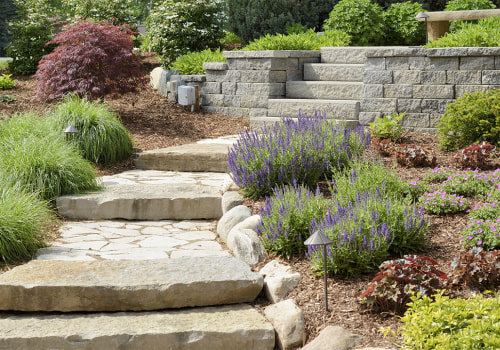
Hardscaping, which includes elements like patios, walkways, and retaining walls, typically requires more time due to the construction involved. These projects can range from 1 to 4 weeks, depending on the scale and materials used. For instance, installing a simple patio may take less time than constructing a multi-level deck with intricate stonework.Planting Projects
For straightforward planting projects, such as adding new trees, shrubs, or flower beds, the timeline is generally shorter.Most planting projects can be completed in 1 to 3 days, especially if they involve minimal site preparation. However, if extensive soil amendments or site grading are necessary, this could extend to a week or more.In summary, while the timelines for landscape renovations can vary significantly based on the type of project, having a clear understanding of what to expect can help you manage your expectations and plan accordingly. Always consult with a professional landscaper to get a more accurate estimate tailored to your specific needs.
Phases of a Landscape Renovation Project
Understanding the phases of a landscape renovation project is crucial for setting realistic expectations regarding the timeline and overall execution. Each phase plays a significant role in ensuring that the project is completed efficiently and effectively.Below is a breakdown of the typical stages involved in a landscape renovation.
- Initial Consultation and Planning
This phase usually takes 1 to 2 weeks. During this time, homeowners meet with landscape professionals to discuss their vision, budget, and any specific requirements. A site analysis is conducted to assess existing conditions, which informs the design process. - Design Development
Following the initial consultation, the design phase can take anywhere from 2 to 6 weeks. Landscape architects or designers create detailed plans that include plant selections, hardscape elements, and irrigation systems.Revisions may occur based on client feedback.
- Permitting and Approvals
Depending on local regulations, obtaining necessary permits can take an additional 1 to 4 weeks. This step is essential for ensuring compliance with zoning laws and environmental guidelines. - Site Preparation
Once permits are secured, site preparation begins, typically lasting 1 to 3 weeks. This includes clearing existing vegetation, grading the land, and preparing soil for new installations. - Installation
The installation phase can vary significantly based on project complexity but generally lasts between 2 to 8 weeks. This stage involves planting trees and shrubs, laying sod or seed, installing hardscapes like patios or walkways, and setting up irrigation systems. - Final Touches and Maintenance Setup
The final touches may take an additional week.This includes mulching, adding decorative elements, and ensuring that all systems are functioning properly. Homeowners are also educated on maintenance practices to keep their new landscape thriving.
Common Delays in Landscape Renovation Projects
Landscape renovation projects can often encounter a variety of delays that can extend the timeline and increase costs. Understanding these common delays is crucial for homeowners and contractors alike to ensure a smoother renovation process.Weather-Related Delays
One of the most unpredictable factors in any landscape renovation is the weather.Rain, snow, or extreme temperatures can halt work entirely. To mitigate this, it’s advisable to plan renovations during seasons known for stable weather conditions. Additionally, having a flexible schedule can help accommodate unexpected weather changes.
Supply Chain Issues
Delays in obtaining materials such as plants, soil, or hardscaping elements can significantly impact project timelines.Supply chain disruptions
, often caused by global events or local shortages, can lead to extended wait times.To overcome this, it’s beneficial to order materials well in advance and consider alternative suppliers or materials that may be more readily available.
Permitting and Regulations
Many landscape renovations require permits, especially if they involve significant changes like grading or installing large structures. Delays in obtaining these permits can stall progress. Homeowners should research local regulations early in the planning process and apply for necessary permits as soon as possible to avoid last-minute complications.Labor Availability
The availability of skilled labor can also affect the timeline of a landscape renovation project. During peak seasons, contractors may be booked solid, leading to delays in starting your project.To minimize this risk, it’s wise to schedule renovations during off-peak times or secure a contractor well in advance.
Design Changes
Changes to the original design after work has begun can lead to significant delays. While it’s important to be flexible and make adjustments as needed, try to finalize your design before the project starts. This will help keep the project on track and within budget. By being aware of these common delays and taking proactive steps to address them, homeowners can significantly reduce the likelihood of setbacks during their landscape renovation projects.How to Plan Your Landscape Renovation Timeline Effectively
Planning a landscape renovation timeline effectively is crucial for ensuring that your project runs smoothly and meets your expectations. Here are some key steps to consider when scheduling your landscaping work:- Define Your Goals: Start by clearly outlining what you want to achieve with your landscape renovation.
Are you looking to enhance curb appeal, create a functional outdoor space, or improve sustainability? Having specific goals will help you prioritize tasks and allocate time accordingly.
- Assess Your Space: Take a close look at your existing landscape. Identify areas that need improvement and consider any structural changes that may be necessary. This assessment will inform the scope of your project and help you estimate the time required for each phase.
- Create a Detailed Plan: Break down the renovation into manageable phases, such as design, preparation, installation, and finishing touches. Assign estimated timeframes to each phase based on the complexity of the tasks involved.
For example, design might take a few weeks, while installation could take several days to weeks depending on the scale.
- Consider Seasonal Factors: Timing is essential in landscaping. Certain tasks are best performed in specific seasons. For instance, planting new trees and shrubs is often best done in early spring or fall. Be sure to factor in local climate conditions when scheduling your work.
- Hire Professionals Wisely: If you're working with contractors or landscape designers, communicate your timeline expectations clearly.
Ensure they understand your goals and deadlines to avoid delays. It’s also wise to check their availability before finalizing your schedule.
- Build in Flexibility: Unexpected challenges can arise during any renovation project. Whether it’s weather delays or supply chain issues, having a buffer in your timeline can help accommodate these unforeseen circumstances without derailing your entire project.
FAQs About Landscape Renovation Timelines
When considering a landscape renovation, many homeowners have questions about the timeline involved.Understanding the duration of a landscaping project can help set realistic expectations and ensure a smoother process.
How Long Does a Landscape Renovation Typically Take?
The duration of a landscape renovation can vary significantly based on several factors, including the size of the area, the complexity of the design, and the types of materials used. On average, a complete renovation can take anywhere from two weeks to several months. Here’s a breakdown:- Small Projects: Simple renovations, such as planting new flowers or installing a small patio, may take 1 to 2 weeks.
- Medium Projects: More extensive work, like adding pathways or larger garden beds, typically requires 2 to 4 weeks.
- Large Projects: Comprehensive renovations that involve hardscaping, extensive planting, or major structural changes can take 1 to 3 months.
What Factors Influence the Timeline?
Several factors can affect how long your landscape renovation will take:- Design Complexity: Intricate designs with multiple elements will naturally require more time.
- Weather Conditions: Rain or extreme temperatures can delay progress.
- Material Availability: Delays in sourcing materials can extend timelines.
- Labor Availability: The number of workers available for your project can impact how quickly it is completed.
Common Questions About Landscaping Timeframes
If you’re still unsure about how long your specific project might take, consider these common questions:- Can I speed up the process? Yes, by planning ahead and ensuring all materials are ready before work begins.
- What should I do while waiting for my landscape to be completed? You can prepare your outdoor space by clearing debris or planning for future maintenance.
Conclusion: Key Takeaways on Landscape Renovation Timelines
In summary, understanding the timeline for a landscape renovation project is crucial for homeowners and property managers alike.The duration of these projects can vary significantly based on several factors, including the scope of work, the size of the area being renovated, and the specific elements involved.
Key factors influencing the timeline include:
- Project Scope: Larger projects that involve extensive changes, such as installing new hardscapes or significant plantings, will naturally take longer than smaller updates like adding a few flower beds.
- Weather Conditions: Seasonal weather can impact timelines. For instance, rainy seasons may delay outdoor work, while extreme heat can affect planting schedules.
- Permits and Approvals: If your renovation requires permits, waiting for approvals can add weeks to your timeline.
- Availability of Materials: Delays in sourcing materials can also extend the project duration. It's essential to plan ahead to ensure that all necessary supplies are on hand when needed.
By taking the time to assess your goals and prepare adequately, you can minimize delays and enjoy your newly renovated landscape sooner.In conclusion, while the average timeline for a landscape renovation can range from a few days to several weeks or even months, careful planning and consideration of the factors mentioned above will help ensure that your project stays on track and meets your expectations.