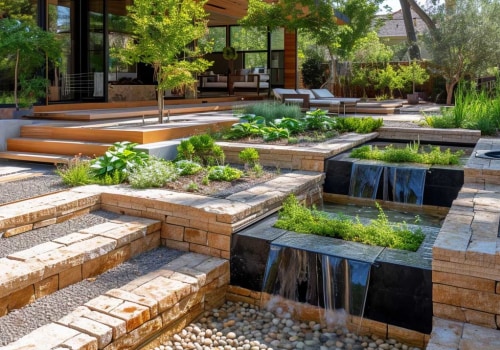
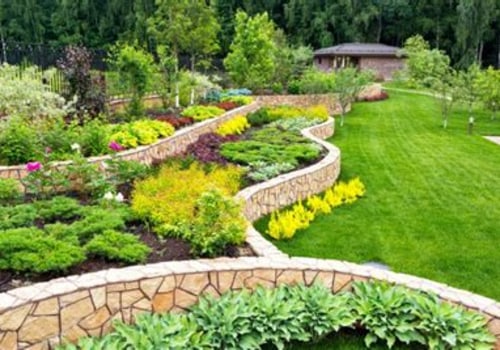
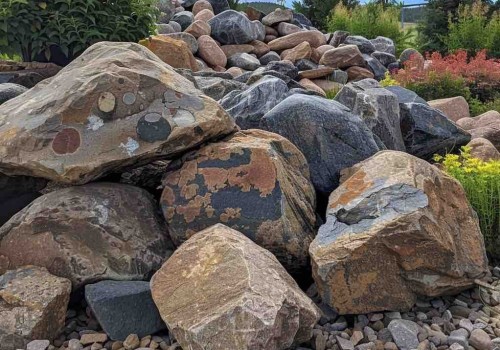
Landscape renovation is more than just a cosmetic upgrade; it is a transformative process that revitalizes outdoor spaces, enhancing both their aesthetic appeal and functionality. This practice involves assessing existing landscapes and making strategic changes to improve their overall design and usability. Whether it’s a residential garden, a public park, or a commercial property, landscape renovation can breathe new life into an area, making it more inviting and enjoyable for everyone. The importance of landscape renovation cannot be overstated. As environmental concerns grow and lifestyles change, the need for adaptable outdoor spaces becomes increasingly critical.
Renovating landscapes allows for the integration of sustainable practices, such as native plantings and efficient water management systems, which not only benefit the environment but also reduce maintenance costs. Furthermore, a well-planned renovation can significantly increase property value, making it a wise investment for homeowners and businesses alike. Incorporating seating areas into these renovated landscapes is a key aspect that enhances their usability. By creating inviting spots for relaxation and social interaction, you can transform an ordinary space into a vibrant gathering place. This section will explore various ways to seamlessly integrate seating areas into your landscape renovation project, ensuring that your outdoor environment is not only beautiful but also functional and welcoming.
Assessing Your Outdoor Space
When planning a landscape renovation, the first step is to thoroughly assess your outdoor space.This evaluation will help you identify the most suitable locations for seating areas that enhance both functionality and aesthetics.Begin by measuring your outdoor space. Use a tape measure to determine the dimensions of your yard or garden. Take note of any existing features such as trees, pathways, or structures that may influence where you can place seating. Consider creating a simple sketch of your landscape, marking these features to visualize the layout better.
Evaluate Existing Features
- Sunlight: Observe how sunlight moves across your space throughout the day.
Identify areas that receive ample sunlight for morning coffee or shaded spots ideal for afternoon relaxation.
- Wind Patterns: Take note of prevailing winds. Positioning seating areas in sheltered spots can enhance comfort.
- Views: Highlight any scenic views or focal points in your landscape. Placing seating areas to face these features can create inviting spaces.
You might want to create a natural progression from one area to another, allowing guests to move seamlessly through your outdoor space.Finally, think about the purpose of each seating area. Will it be a quiet nook for reading, a gathering spot for family and friends, or a place for outdoor dining? Understanding the intended use will guide you in selecting appropriate furniture and design elements that complement your landscape renovation.By carefully assessing your outdoor space and considering these factors, you can create well-planned seating areas that enhance the overall appeal and functionality of your landscape.
Choosing the Right Type of Seating
When it comes to landscape renovation, choosing the right type of seating is crucial for enhancing both functionality and aesthetics. The seating options you select can transform your outdoor space into a welcoming retreat. Here are some popular types of outdoor seating to consider:- Benches: These are versatile and can be placed along pathways, under trees, or near flower beds.
Benches can be made from various materials such as wood, metal, or stone, allowing you to match them with your landscape's style.
- Chairs: Individual chairs offer flexibility and comfort. Look for weather-resistant materials like teak or aluminum that can withstand the elements. Consider adding cushions for extra comfort and style.
- Built-in Seating: For a more permanent solution, built-in seating such as stone walls or wooden platforms can be integrated into your landscape design. This option not only saves space but also creates a seamless look that blends with the surroundings.
- Hammocks and Swing Chairs: If your landscape allows for it, incorporating hammocks or swing chairs can add a playful element to your outdoor area.
They provide a unique lounging experience and can be hung between trees or on a sturdy frame.
- Durability: Choose materials that are resistant to weather conditions and require minimal maintenance.
- Style: Ensure that the seating complements the overall theme of your landscape renovation, whether it’s modern, rustic, or traditional.
- Comfort: Test out seating options to ensure they provide adequate support and comfort for extended use.
Designing Functional Seating Areas
When it comes to landscape renovation, designing functional seating areas is essential for creating inviting outdoor spaces. A well-planned seating area not only enhances the aesthetic appeal of your landscape but also encourages social interaction and relaxation.Considerations for Layout
- Traffic Flow: Ensure that pathways leading to and from the seating area are clear and unobstructed. This allows for easy movement and accessibility, making the space more inviting.
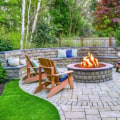
- Proximity to Amenities: Position seating areas near features such as fire pits, gardens, or water elements. This creates a cohesive design and enhances the overall experience.
- Orientation: Consider the sun's path and prevailing winds when placing seating.
Orienting seats towards scenic views or away from harsh weather can significantly improve comfort.
Types of Seating Arrangements
- Individual Seats: Use benches or chairs that can be easily moved to accommodate different group sizes. This flexibility allows for both intimate gatherings and larger social events.
- Group Seating: Create a central gathering spot with a circular arrangement of seats. This layout fosters conversation and connection among guests.
- Integrated Seating: Incorporate built-in seating into landscape features like retaining walls or steps. This not only saves space but also adds a unique design element to your landscape.
Accessibility Considerations
Ensure that your seating areas are accessible to everyone, including those with mobility challenges.
Use materials that provide stable footing and consider adding handrails or ramps where necessary. Additionally, maintaining a level surface can enhance safety and comfort.By thoughtfully designing your seating areas with these considerations in mind, you can create functional spaces that enhance your landscape renovation, making them enjoyable for all who visit.
Incorporating Natural Elements
Incorporating natural elements into your landscape renovation not only enhances the aesthetic appeal but also creates a harmonious environment that invites relaxation. By integrating plants, trees, and water features into seating areas, you can transform these spaces into tranquil retreats.Utilizing Plants and Trees
One effective way to incorporate nature is by strategically placing plants and trees around seating areas. Consider using native species that thrive in your local climate, as they require less maintenance and provide essential habitats for local wildlife.For instance, a cluster of flowering shrubs can create a natural privacy screen while adding vibrant colors and scents to the area.
Creating Shade with Trees
Large trees can provide much-needed shade, making seating areas more comfortable during hot summer days. Positioning benches or chairs beneath the canopy of a tree not only offers protection from the sun but also enhances the overall landscape design by integrating vertical elements that draw the eye upward.Incorporating Water Features
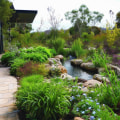
Water features such as ponds, fountains, or small streams can significantly enhance the ambiance of a seating area. The sound of flowing water creates a soothing atmosphere, encouraging relaxation. When designing your landscape renovation, consider placing seating near these features to allow for an immersive experience with nature.Layering Textures and Colors
To further enrich your seating area, layer different textures and colors through plant selection.Combine ornamental grasses with flowering perennials to create visual interest throughout the seasons. This not only beautifies the space but also attracts pollinators, enhancing the ecological value of your landscape.
Using Natural Materials
In addition to plants and water, consider using natural materials for your seating arrangements. Wooden benches or stone seating can blend seamlessly into the landscape, providing a rustic charm that complements the surrounding flora. These materials not only look great but also withstand the elements over time.By thoughtfully incorporating these natural elements into your landscape renovation, you can create inviting seating areas that foster a deeper connection with nature while enhancing the beauty and functionality of your outdoor space.Creating Cozy Ambiance with Accessories
Incorporating outdoor accessories into your seating areas can significantly enhance the overall ambiance of your landscape renovation.By carefully selecting items that complement your outdoor space, you can create a cozy and inviting atmosphere that encourages relaxation and enjoyment.
Cushions and Throws
- Cushions are essential for adding comfort to outdoor seating. Choose weather-resistant fabrics that can withstand the elements while providing a pop of color or pattern that ties in with your landscape design.
- Throws not only add warmth during cooler evenings but also contribute to the aesthetic appeal. Opt for soft, textured materials that invite guests to snuggle up.
Outdoor Rugs
An outdoor rug can define your seating area and add a layer of comfort underfoot. Look for rugs made from durable, weather-resistant materials that can handle moisture and fading.
A well-chosen rug can also help to visually anchor the space, making it feel more cohesive.
Lighting Options
- String lights are a popular choice for creating a magical atmosphere. Drape them across trees or along fences to provide soft, ambient lighting that enhances the evening experience.
- Lanterns and candles can add a touch of elegance and warmth. Consider using solar-powered lanterns for an eco-friendly option that requires minimal maintenance.
- Pathway lights not only illuminate walkways but also guide guests to your seating area, enhancing safety while contributing to the overall ambiance.
Natural Elements
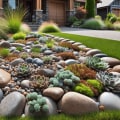
Incorporating natural elements such as potted plants or decorative stones can further enhance the cozy feel of your seating area. Choose plants that thrive in your climate and require minimal upkeep, ensuring they remain vibrant throughout the seasons.By thoughtfully selecting accessories like cushions, rugs, and lighting, you can transform your renovated landscape into a welcoming retreat.
These elements not only enhance comfort but also reflect your personal style, making your outdoor space truly unique.
Maintaining Your Seating Areas
Maintaining your seating areas is crucial for ensuring that they remain inviting and functional throughout the seasons. Regular upkeep not only enhances the aesthetic appeal of your landscape renovation but also prolongs the life of your outdoor furniture and fixtures.Regular Cleaning
Start with a routine cleaning schedule. Depending on your local climate, you may need to clean your seating areas more frequently. Here are some tips:- Remove debris: Regularly sweep away leaves, dirt, and other debris that can accumulate on and around your seating areas.
- Wash surfaces: Use a mild soap solution to wash down tables, chairs, and benches.
For wooden furniture, consider using a wood cleaner to maintain its finish.
- Check for mold: In humid climates, inspect for mold or mildew growth and treat it promptly with appropriate cleaners.
Seasonal Maintenance
Different seasons bring unique challenges for outdoor seating areas. Here’s how to prepare:- Spring: Inspect furniture for winter damage, tighten screws, and apply protective sealants to wooden surfaces.
- Summer: Ensure that cushions are clean and dry; consider using UV protectants to prevent fading from the sun.
- Fall: Store cushions indoors to protect them from moisture and cold temperatures. Clear away fallen leaves regularly.
- Winter: If possible, cover or store furniture in a dry place to prevent weather-related wear and tear.
Caring for Outdoor Furniture
Your outdoor furniture deserves special attention to keep it looking its best. Here are some care tips:- Use covers: Invest in high-quality covers for your furniture to shield them from rain, snow, and UV rays.
- Avoid harsh chemicals: Stick to gentle cleaning products that won’t damage the finish of your furniture.
- Inspect regularly: Look for signs of wear such as rust on metal frames or splintering wood, and address these issues immediately.
Regular upkeep not only enhances the enjoyment of your outdoor spaces but also protects your investment in quality furnishings.
FAQs About Incorporating Seating in Landscape Renovation
Incorporating seating areas into your landscape renovation can significantly enhance the functionality and aesthetic appeal of your outdoor space. Here are some frequently asked questions that can help guide your decisions:- What types of seating options are best for outdoor spaces? When selecting seating for your landscape, consider options such as benches, chairs, and even built-in seating like stone walls. Materials like wood, metal, and composite are popular due to their durability and weather resistance.
- How do I choose the right location for seating? The location of your seating area is crucial. Look for spots that offer shade during hot days and a view of your garden or landscape features.
Proximity to pathways and other amenities can also enhance accessibility.
- What size should my seating area be? The size of your seating area should depend on the number of people you expect to accommodate. A small nook may suffice for intimate gatherings, while larger areas can host family events or parties. Ensure there’s enough space for movement around the seating.
- How can I integrate seating with other landscape elements? To create a cohesive look, consider integrating your seating with other elements like fire pits, water features, or gardens. Use similar materials and colors to ensure harmony throughout the space.
- What maintenance is required for outdoor seating? Maintenance varies by material.
Wooden furniture may need regular sealing or staining, while metal options might require rust prevention treatments. Always check manufacturer guidelines for specific care instructions.
Conclusion: Transforming Your Landscape with Thoughtful Seating Areas
Incorporating seating areas into your landscape renovation is not just about adding furniture; it’s about creating inviting spaces that enhance the overall aesthetic and functionality of your outdoor environment. As we have explored, thoughtful placement and design of seating can transform a simple garden or yard into a vibrant gathering place. To summarize, here are the key benefits of integrating seating areas into your renovated landscape:- Enhanced Usability: Seating areas provide a designated space for relaxation, socializing, and enjoying nature, making your landscape more functional.
- Aesthetic Appeal: Well-designed seating can serve as a focal point, adding visual interest and complementing the surrounding flora.
- Encouragement of Outdoor Living: By creating comfortable spaces outdoors, you promote a lifestyle that embraces nature and encourages family and friends to spend more time outside.
- Increased Property Value: Thoughtfully designed landscapes with functional seating areas can significantly boost the value of your property.
Ultimately, the goal is to create spaces that invite people to pause, reflect, and enjoy the beauty of their surroundings. In conclusion, by prioritizing the integration of seating areas in your landscape renovation, you not only enhance the beauty of your outdoor space but also foster connections with nature and loved ones. Embrace the opportunity to create a landscape that is not only visually stunning but also rich in experiences.