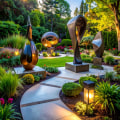
Incorporating outdoor cooking and dining areas into a landscape renovation is not just a trend; it’s a transformative approach that enhances both the functionality and aesthetic appeal of your outdoor space. As homeowners increasingly seek to maximize their living areas, the integration of these features can significantly elevate the overall experience of your landscape. Imagine hosting family gatherings or intimate dinners under the stars, surrounded by the beauty of nature, all while enjoying the convenience of a fully equipped outdoor kitchen. The benefits of creating dedicated outdoor cooking and dining spaces extend beyond mere enjoyment. Such renovations can lead to increased property value, making your home more attractive to potential buyers.
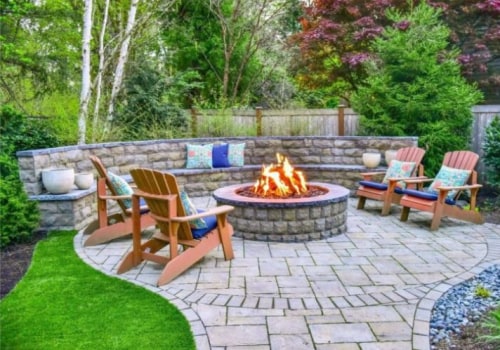
A well-designed outdoor area not only serves as an extension of your home but also reflects a lifestyle that embraces nature and social interaction. Furthermore, these spaces encourage healthier living by promoting outdoor activities and meals prepared with fresh ingredients, often sourced from your own garden. Moreover, the aesthetic enhancement brought about by thoughtful landscape renovation cannot be overstated. By incorporating elements like stone patios, fire pits, and stylish dining furniture, you create a cohesive look that ties together your home and garden. This seamless integration fosters a welcoming atmosphere that invites relaxation and enjoyment, making it an ideal setting for entertaining guests or unwinding after a long day.
Planning Your Outdoor Cooking and Dining Space
When embarking on a landscape renovation that includes an outdoor cooking and dining area, careful planning is essential to create a functional and inviting space.Here are some key steps to consider:
- Assess Your Space: Begin by evaluating the available area in your yard. Consider factors such as sunlight, wind direction, and proximity to your home. This will help you determine the best location for your outdoor kitchen and dining area.
- Determine Your Needs: Think about how you plan to use the space. Will it be primarily for family gatherings, entertaining guests, or casual meals? This will influence the size and features of your outdoor kitchen.
For instance, if you love grilling, a built-in grill and prep area may be essential.
- Design Your Outdoor Dining Area: The design should complement your overall landscape renovation. Choose materials that harmonize with your home’s architecture and the surrounding environment. Consider options like stone patios, wooden decks, or even a pergola for shade.
- Set a Budget: Establishing a budget early on will guide your decisions throughout the planning process. Factor in costs for appliances, furniture, landscaping, and any necessary permits.
Remember to leave some room for unexpected expenses.
Choosing the Right Location for Your Outdoor Kitchen
When planning your landscape renovation, selecting the right location for your outdoor kitchen is crucial for maximizing both functionality and enjoyment. Here are some key factors to consider:- Proximity to the House: Ideally, your outdoor kitchen should be located close to your home. This makes it easier to transport food and supplies, and allows for seamless interaction between indoor and outdoor spaces. A distance of 10 to 20 feet is often recommended.
- Sun Exposure: Consider the sun's path throughout the day.
An area that receives too much direct sunlight can make cooking uncomfortable, while a shaded spot may be more pleasant. If you have a choice, look for a location that offers a balance of sun and shade, perhaps utilizing trees or pergolas for natural cover.
- Views and Aesthetics: The placement of your outdoor kitchen should enhance the overall beauty of your landscape. Position it to take advantage of scenic views, whether it's a garden, pool, or natural landscape. This not only creates a more enjoyable cooking experience but also adds value to your property.
- Wind Direction: Pay attention to prevailing winds in your area.
Placing your outdoor kitchen in a sheltered spot can help prevent smoke from drifting into your home or onto guests. Additionally, consider how wind might affect cooking appliances like grills or smokers.
- Access to Utilities: If you plan to include appliances that require electricity or water, ensure that your chosen location is accessible to these utilities. This may involve additional costs for installation but is essential for a fully functional outdoor kitchen.
Design Elements for Outdoor Cooking Areas
When planning a landscape renovation that includes an outdoor cooking area, several design elements can significantly enhance both functionality and aesthetics. Here are some key considerations:Materials for Outdoor Cooking Areas
The choice of materials is crucial for durability and style.Common options include:
- Stone and Brick: These materials provide a rustic charm and are highly durable, making them ideal for countertops and grills.
- Stainless Steel: Perfect for appliances, stainless steel is resistant to rust and easy to clean, ensuring longevity in outdoor settings.
- Wood: While it adds warmth and natural beauty, ensure you choose treated wood that can withstand the elements.
Appliances to Consider
An outdoor kitchen should be equipped with essential appliances that enhance cooking experiences. Consider including:- Grills: A high-quality grill is a must-have. Options range from gas to charcoal, depending on your cooking style.
- Refrigerators: Keep ingredients fresh and drinks cold with an outdoor-rated refrigerator.
- Sinks: Installing a sink can make food prep and cleanup much easier, especially when entertaining guests.
Layout Options
The layout of your outdoor cooking area should promote efficiency and flow. Here are some popular configurations:- Linear Layout: This design features a straight line of appliances and counters, ideal for narrow spaces.
- L-Shaped Layout: This configuration allows for more counter space and can create a natural division between cooking and dining areas.
- Island Layout: An island can serve as a central hub for cooking and socializing, providing ample space for food preparation and seating.
By carefully selecting materials, appliances, and layouts, you can ensure that your outdoor kitchen becomes a cherished part of your landscape renovation.
Incorporating Dining Areas into Your Landscape Renovation
Incorporating a dining area into your landscape renovation can transform your outdoor space into a functional and inviting environment. Here are some ideas to consider when designing your outdoor dining area:- Seating Options: Choose comfortable seating that complements your landscape. Options like built-in benches, weather-resistant chairs, or even hammocks can create a relaxed atmosphere. Consider using natural materials such as wood or stone to blend seamlessly with the surroundings.
- Table Styles: The table is the centerpiece of any dining area.
Opt for a large, rustic wooden table for a farmhouse feel, or a sleek metal table for a modern touch. Round tables can encourage conversation, while rectangular tables are great for larger gatherings.
- Shade and Shelter: To make your dining area usable in various weather conditions, consider adding a pergola, awning, or large umbrella. This not only provides shade but also adds an architectural element to your landscape.
- Lighting: Ambiance is key in outdoor dining. String lights, lanterns, or built-in LED fixtures can create a warm and inviting atmosphere as the sun sets.
Incorporate lighting that highlights the beauty of your landscape while ensuring safety.
- Integration with Cooking Areas: If you have an outdoor kitchen or grill, position your dining area nearby for convenience. This allows for easy serving and encourages social interaction while cooking. Consider a bar-height table for casual dining or a counter that connects the cooking and eating spaces.
Landscaping Around Your Outdoor Cooking and Dining Areas
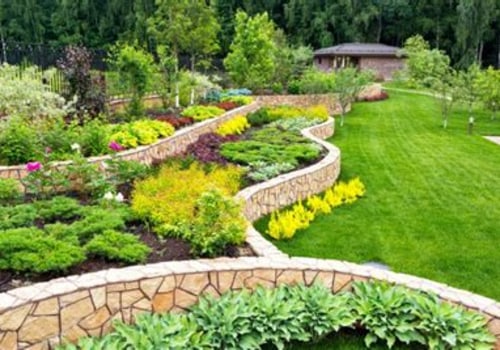
Creating a harmonious landscape around your outdoor cooking and dining areas is essential for both functionality and aesthetics. By thoughtfully selecting plants and design elements, you can enhance your landscape renovation while ensuring that your outdoor spaces are inviting and practical.Landscaping Ideas for Outdoor Kitchens
- Define the Space: Use hardscaping materials like stone or pavers to create a defined area for your outdoor kitchen.
This not only adds structure but also helps in delineating the cooking space from the rest of the garden.
- Incorporate Vertical Elements: Consider adding trellises or vertical gardens that can support climbing plants. This not only adds greenery but also provides shade and privacy.
- Functional Features: Integrate features such as built-in seating or a bar area that complements your cooking space. These elements can enhance the usability of your outdoor kitchen while contributing to the overall landscape design.
Plants for Outdoor Dining Areas
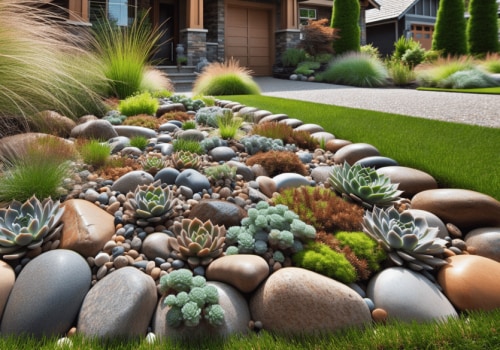
- Choose Low-Maintenance Plants: Opt for drought-resistant plants like lavender or ornamental grasses that require minimal upkeep and thrive in outdoor settings.
- Add Color with Seasonal Blooms: Incorporate flowering plants that bloom at different times of the year to ensure your dining area remains vibrant throughout the seasons.
- Create Edible Landscapes: Consider planting herbs or small fruit-bearing plants near your dining area. Not only do they add beauty, but they also provide fresh ingredients for your meals.
Enhancing Landscape with Cooking Spaces
To truly enhance your landscape renovation, think about how your cooking and dining areas interact with the surrounding environment.Use lighting to highlight pathways and cooking zones, creating a warm ambiance for evening gatherings. Additionally, consider incorporating water features like a small fountain or pond nearby; the sound of water can create a serene atmosphere while also attracting beneficial wildlife.Finally, ensure that your landscaping complements the architectural style of your home. Whether you prefer a modern look with sleek lines or a rustic feel with natural stone, aligning your outdoor cooking and dining areas with your overall landscape design will create a cohesive and inviting space for entertaining and relaxation.
Sustainable Practices in Outdoor Cooking and Dining Design
Incorporating sustainable practices into outdoor cooking and dining areas not only enhances the aesthetic appeal of your landscape renovation but also promotes environmental responsibility. Here are some effective strategies to consider:- Use Recycled Materials: Opt for countertops, tables, and seating made from recycled or reclaimed materials.
This reduces waste and gives a unique character to your outdoor space.
- Install Energy-Efficient Appliances: When designing your outdoor kitchen, choose energy-efficient grills and appliances that consume less power and reduce your carbon footprint.
- Incorporate Native Plants: Surround your cooking area with native plants that require less water and maintenance. This not only conserves resources but also supports local wildlife.
- Implement Rainwater Harvesting: Consider installing a rainwater collection system to irrigate your garden or supply water for cooking. This practice conserves water and reduces reliance on municipal sources.
- Utilize Solar Power: Integrate solar panels to power lighting or small appliances in your outdoor dining area. This renewable energy source can significantly lower energy costs.
- Composting: Set up a compost bin for organic waste generated during cooking.
This not only reduces landfill waste but also provides nutrient-rich soil for your garden.
- Choosing Eco-Friendly Cookware: Use cookware made from sustainable materials such as bamboo or recycled metals, which are better for the environment compared to traditional options.
- Creating a Green Roof or Vertical Garden: If space allows, consider adding a green roof over your outdoor kitchen or vertical gardens that can provide fresh herbs and vegetables right at your fingertips.
FAQs About Outdoor Cooking and Dining in Landscape Renovation
When considering landscape renovation that includes outdoor cooking and dining areas, many homeowners have questions about the best practices and options available. Here are some frequently asked questions to help guide your planning:- What are the essential features of an outdoor kitchen?
An outdoor kitchen typically includes a grill, countertop space, a sink, and storage. Depending on your needs, you might also consider adding a refrigerator, pizza oven, or even a bar area. - How can I ensure my outdoor dining area is comfortable?
To create a comfortable outdoor dining space, consider factors such as shade, seating arrangements, and proximity to the kitchen. Adding features like pergolas or umbrellas can provide necessary shade, while comfortable seating will encourage longer meals. - What materials are best for outdoor cooking areas?
Durable materials like stainless steel for appliances, stone or brick for countertops, and weather-resistant furniture are ideal.These materials not only withstand the elements but also enhance the aesthetic appeal of your landscape renovation.
- How do I integrate my outdoor cooking area with my landscape design?
Consider the flow of your space. Position your outdoor kitchen near your indoor kitchen for convenience. Use landscaping elements like pathways, plants, and lighting to create a cohesive look that ties the cooking area into the overall design. - What are some landscaping ideas to complement an outdoor dining area?
Incorporate native plants that require less maintenance and can thrive in your climate. Use decorative stones or gravel to define the dining space and add lighting features like string lights or lanterns to create ambiance during evening meals.
Conclusion: Transforming Your Landscape with Outdoor Cooking and Dining Spaces
Incorporating outdoor cooking and dining areas into your landscape renovation not only enhances the aesthetic appeal of your property but also creates functional spaces that encourage social interaction and a connection with nature.As we have explored, the integration of these elements can transform your outdoor environment into a vibrant hub for family gatherings and entertaining guests.To summarize, here are some key points to consider:
- Design Cohesion: Ensure that your outdoor cooking and dining areas harmonize with the overall landscape design. This can be achieved through the use of complementary materials, colors, and styles that reflect your home’s architecture.
- Functional Layout: Plan the layout of your cooking and dining spaces to maximize usability. Consider factors such as proximity to the kitchen, accessibility, and flow of movement to create an inviting atmosphere.
- Quality Materials: Invest in durable materials that can withstand the elements. Options like stone, stainless steel, and weather-resistant wood not only enhance durability but also add a touch of elegance to your outdoor spaces.
- Landscaping Elements: Incorporate landscaping features such as gardens, pathways, and lighting to enhance the ambiance.
Thoughtful landscaping can create a seamless transition between your indoor and outdoor areas.
- Sustainability: Consider eco-friendly options such as solar lighting or energy-efficient appliances in your outdoor kitchen. This not only reduces your carbon footprint but also appeals to environmentally conscious homeowners.