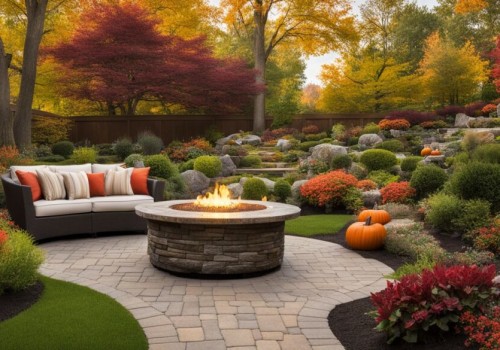
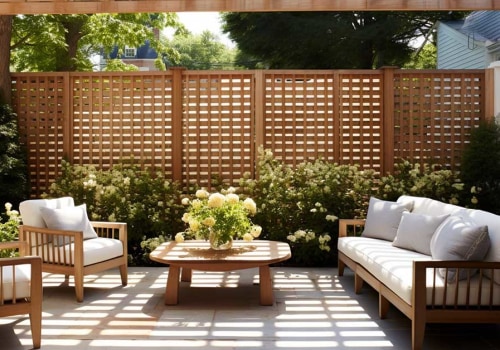
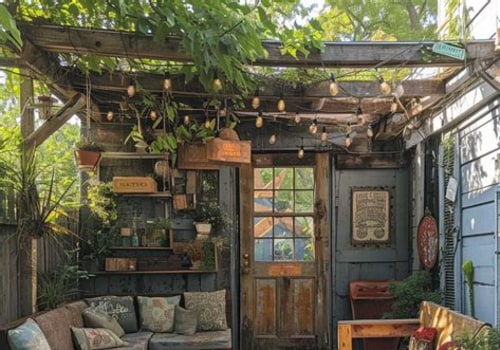
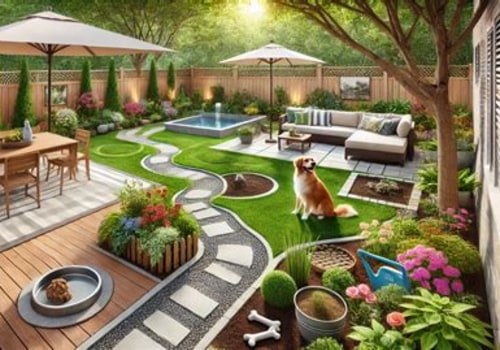
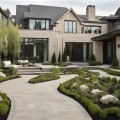
In the realm of outdoor design, landscape renovation emerges as a transformative process that revitalizes and enhances the aesthetic and functional aspects of a property. This practice goes beyond mere maintenance; it involves a thoughtful reimagining of outdoor spaces to create environments that are not only visually appealing but also serve the needs of their users. Whether it’s updating an existing garden, reconfiguring pathways, or integrating new elements, understanding landscape renovation is crucial for anyone looking to elevate their outdoor experience.The importance of landscape renovation cannot be overstated. It allows homeowners to adapt their landscapes to changing lifestyles, environmental conditions, and personal preferences.
By incorporating modern design principles and sustainable practices, individuals can create spaces that are both beautiful and functional. This is particularly relevant in today’s world, where outdoor living has become an extension of our homes, offering opportunities for relaxation, entertainment, and connection with nature.One of the key benefits of landscape renovation is the potential for increased property value. A well-designed landscape not only enhances curb appeal but also contributes to a more inviting atmosphere. Furthermore, thoughtful renovations can improve energy efficiency by strategically placing plants and structures that provide shade and reduce heat absorption.
As we delve deeper into the topic, we will explore how incorporating shade structures like pergolas or arbors can play a pivotal role in achieving these goals while adding character and charm to your renovated landscape.
The Role of Shade Structures in Landscape Design
Incorporating shade structures such as pergolas and arbors into your landscape renovation can significantly enhance both the aesthetic appeal and functionality of your outdoor space. These structures not only provide relief from the sun but also serve as focal points that can transform a mundane garden into a vibrant retreat.Benefits of Shade Structures
- Enhanced Comfort: Shade structures create cool areas in your landscape, making it more enjoyable to spend time outdoors, especially during hot summer months.
- Aesthetic Appeal: Pergolas and arbors add vertical interest and can be adorned with climbing plants, flowers, or lights, enhancing the overall beauty of your garden.
- Defined Spaces: These structures can help delineate different areas within your landscape, such as dining spaces or relaxation zones, providing a sense of organization.
- Increased Property Value: Well-designed shade structures can boost the value of your property by improving its curb appeal and creating inviting outdoor living spaces.
Integrating Shade Structures into Landscape Design
When planning your landscape renovation, consider the following elements to effectively integrate shade structures:
- Location: Choose a spot that maximizes shade while complementing existing features like patios or gardens.
- Style: Select a design that harmonizes with your home’s architecture and the overall theme of your landscape.
- Materials: Use durable materials that withstand weather conditions while maintaining aesthetic appeal, such as wood, metal, or composite materials.
- Plant Selection: Incorporate climbing plants or vines that can thrive on these structures, adding greenery and enhancing the shaded area.
Choosing the Right Shade Structure for Your Landscape
When it comes to landscape renovation, selecting the right shade structure is crucial for enhancing both aesthetics and functionality. Two popular options are pergolas and arbors, each offering unique benefits and styles.Types of Pergolas
- Traditional Pergolas: These structures typically feature a series of vertical posts supporting crossbeams and an open lattice. They provide partial shade while allowing sunlight to filter through, making them ideal for climbing plants.
- Modern Pergolas: With sleek lines and minimalist designs, modern pergolas often use materials like aluminum or vinyl.
They can be customized with retractable canopies for adjustable shade.
- Attached Pergolas: These are connected to your home, creating a seamless transition between indoor and outdoor spaces. They are perfect for patios or decks, enhancing your living area.
Types of Arbors
- Garden Arbors: Typically smaller than pergolas, garden arbors serve as decorative gateways or focal points in your landscape. They can be adorned with climbing vines, adding beauty and charm.
- Arched Arbors: Featuring a curved top, arched arbors create an inviting entrance to pathways or garden areas. Their design can add a touch of elegance to your landscape renovation.
- Custom Arbors: For a truly unique touch, consider a custom-built arbor that reflects your personal style and complements your landscape design.
- Purpose: Determine whether you need a space for relaxation, dining, or simply an aesthetic enhancement.
- Material: Select materials that match your home’s architecture and withstand local weather conditions.
- Size: Ensure the size of the structure fits well within your landscape without overwhelming other elements.
Designing Your Landscape with Pergolas and Arbors
Incorporating pergolas and arbors into your landscape renovation can significantly enhance the aesthetic appeal and functionality of your outdoor space.Here are some practical tips to effectively design with these structures:
- Define Your Purpose: Before selecting a pergola or arbor, consider how you intend to use the space. Pergolas are ideal for creating shaded seating areas, while arbors can serve as beautiful entryways or support for climbing plants.
- Choose the Right Location: Position your pergola or arbor in a way that complements your existing landscape. For instance, placing a pergola near a patio can create a cozy outdoor dining area, while an arbor can frame a garden path or entrance.
- Select Appropriate Materials: The materials you choose should harmonize with your overall landscape design. Wood offers a natural look, while metal can provide a modern touch.
Consider weather-resistant options to ensure longevity.
- Incorporate Plants: Enhance the beauty of your pergola or arbor by integrating climbing plants such as wisteria, jasmine, or roses. These plants not only add color and fragrance but also create a more inviting atmosphere.
- Consider Lighting: Adding lighting to your pergola can extend its usability into the evening hours. String lights or lanterns can create a magical ambiance, making your outdoor space perfect for entertaining.
A large pergola may overwhelm a small yard, while an intricately designed arbor can become a focal point in a spacious landscape. By thoughtfully integrating these features, you can create a harmonious and inviting outdoor environment.
Incorporating Plants and Greenery with Shade Structures
Incorporating plants and greenery with your shade structures can significantly enhance the aesthetic appeal and functionality of your renovated landscape. By selecting the right plants, you can create a harmonious environment that not only provides shade but also adds color, texture, and life to your outdoor space.Choosing Climbing Plants for Arbors
Arbors are perfect for supporting climbing plants that can create a stunning visual impact. Here are some excellent options:- Wisteria: Known for its cascading flowers, wisteria can create a breathtaking display when trained on an arbor.
- Clematis: With a variety of colors and bloom times, clematis can add seasonal interest and beauty.
- Honeysuckle: This fragrant plant attracts pollinators and provides a lush green backdrop.
- Climbing Roses: For a romantic touch, climbing roses can drape elegantly over an arbor, offering both beauty and fragrance.
Enhancing Pergolas with Greenery
Pergolas can be adorned with various plants to create a more inviting atmosphere.Consider these options:
- Grapevines: Not only do they provide shade, but they also produce delicious fruit, making them a practical choice.
- Passionflower: This exotic vine offers unique blooms and dense foliage, perfect for creating a lush canopy.
- Ivy: A classic choice, ivy can quickly cover the structure, providing a green backdrop year-round.
Maintenance Tips for Your Shade Structures
To ensure the longevity and aesthetic appeal of your shade structures, such as pergolas and arbors, regular maintenance is essential.Here are some key practices to keep in mind:
- Regular Inspections: Periodically check your shade structures for any signs of wear and tear. Look for loose boards, rust on metal components, or signs of rot in wooden structures.
- Cleaning: Keep your pergolas and arbors clean by removing debris such as leaves, dirt, and moss. A gentle wash with soap and water can help maintain their appearance. For wooden structures, consider using a wood cleaner to prevent mold and mildew buildup.
- Sealing and Staining: If your shade structure is made of wood, apply a protective sealant or stain every few years to protect against moisture and UV damage.
This not only enhances the wood's natural beauty but also extends its lifespan.
- Rust Prevention: For metal arbors or pergolas, inspect for rust regularly. If you notice any rust spots, sand them down and apply a rust-inhibiting primer followed by paint to protect the metal.
- Repairing Damage: Address any damage immediately to prevent further deterioration. Replace broken slats or panels promptly, and reinforce any weak joints to maintain structural integrity.
By following these maintenance practices, you can enjoy your shade structures for years to come while enhancing the overall beauty of your landscape renovation.
Common Mistakes to Avoid When Adding Shade Structures
When incorporating shade structures like pergolas or arbors into your landscape renovation, avoiding common mistakes can significantly enhance both functionality and aesthetics. Here are some frequent errors homeowners make and tips on how to steer clear of them:- Neglecting Site Assessment: One of the biggest pitfalls is failing to assess the site properly. Before installation, consider factors such as sunlight patterns, wind direction, and existing vegetation. A thorough site analysis ensures that your shade structure complements the landscape rather than obstructs it.
- Choosing the Wrong Size: Many homeowners underestimate or overestimate the size of their shade structures.
A pergola that is too small may look out of place, while one that is too large can overwhelm the space. Measure your area carefully and visualize how the structure will fit within your overall landscape design.
- Ignoring Local Climate: Different climates require different materials and designs. For instance, in areas with heavy rainfall, opting for a waterproof fabric or a solid roof can prevent damage. Research local weather conditions to select appropriate materials that will withstand environmental challenges.
- Overlooking Maintenance Needs: Some materials require more upkeep than others.
Wood structures may need regular sealing or painting, while metal can rust if not treated properly. Consider your willingness to maintain the structure when making your choice.
- Failing to Integrate with Existing Landscape: A common error is treating the shade structure as a standalone element. Ensure that it harmonizes with existing plants, pathways, and outdoor furniture. Use similar materials or colors to create a cohesive look throughout your landscape renovation.
FAQs About Shade Structures in Landscape Renovation
When considering shade structures like pergolas and arbors in your landscape renovation, you may have several questions.Here are some frequently asked questions that can help guide your decisions:
- What is the difference between a pergola and an arbor?
A pergola is typically a larger structure that provides partial shade and can serve as a walkway or passageway, while an arbor is usually smaller, often used as an entryway or a decorative feature in the garden. - How do I choose the right material for my shade structure?
Common materials include wood, metal, and vinyl. Consider factors such as durability, maintenance, and how well the material complements your existing landscape. - Can I add climbing plants to my pergola or arbor?
Absolutely! Climbing plants like wisteria, clematis, or grapevines can enhance the beauty of your structure while providing additional shade. - What are the benefits of incorporating shade structures in my landscape?
Shade structures can create comfortable outdoor living spaces, protect plants from harsh sunlight, and add aesthetic value to your garden. - How do I maintain my pergola or arbor?
Regular maintenance includes cleaning, checking for rot or damage, and applying sealants or stains to protect against weather elements.
Conclusion: Transforming Your Landscape with Shade Structures
Incorporating shade structures like pergolas and arbors into your landscape renovation can significantly enhance both the aesthetic appeal and functionality of your outdoor space. As we have explored, these structures not only provide relief from the sun but also serve as focal points that can transform an ordinary garden into a serene retreat.To summarize, here are the key benefits of adding shade structures to your landscape:- Enhanced Comfort: Shade structures create cool areas for relaxation and entertainment, making your outdoor space more enjoyable during hot summer months.
- Aesthetic Appeal: With various designs and materials available, pergolas and arbors can complement your existing landscape, adding visual interest and character.
- Increased Usability: These structures can define spaces within your garden, allowing for outdoor dining areas, lounges, or even play zones for children.
- Support for Plants: Arbors can serve as trellises for climbing plants, enhancing the natural beauty of your landscape while providing additional shade.
By thoughtfully integrating these elements into your landscape renovation, you can cultivate a space that is both beautiful and functional, inviting you to spend more time outdoors in comfort.