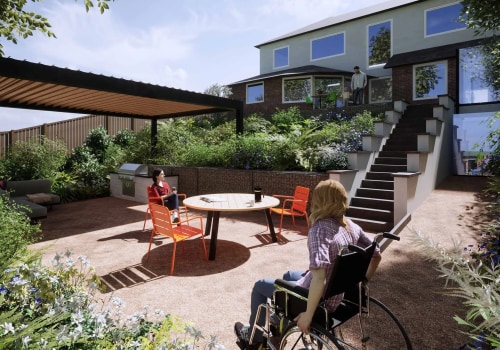
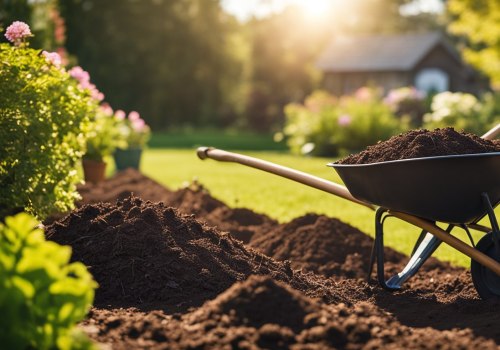
Landscape renovation is a transformative process that goes beyond mere aesthetics; it involves reimagining and revitalizing outdoor spaces to enhance their functionality and appeal. Homeowners often embark on landscape renovation projects for various reasons, including improving property value, creating a more enjoyable outdoor environment, or addressing specific issues such as drainage problems or overgrown vegetation. Understanding the significance of these renovations is crucial, as they can lead to a more sustainable and visually pleasing landscape that meets the needs of the household. At its core, landscape renovation encompasses a wide range of activities, from redesigning garden layouts to installing new hardscapes like patios and walkways. It allows homeowners to express their personal style while also considering environmental factors such as local climate and soil conditions.
The importance of landscape renovation cannot be overstated; it not only enhances curb appeal but also contributes to the overall health of the ecosystem by promoting biodiversity and reducing water runoff. As you consider embarking on a landscape renovation project, it’s essential to recognize that safety should be a top priority. Whether you’re hiring professionals or taking on the project yourself, understanding the potential hazards and implementing appropriate safety measures will ensure a successful and enjoyable renovation experience. In the following sections, we will delve into specific safety precautions that can help protect both you and your property during this exciting transformation.
Planning Your Landscape Renovation Safely
Before embarking on a landscape renovation project, thorough planning is essential to ensure safety and efficiency. A well-structured plan not only helps in achieving the desired aesthetic but also minimizes risks associated with the renovation process.Assessing the Site
- Begin by conducting a comprehensive assessment of your site.
Identify any potential hazards such as uneven terrain, existing structures, or underground utilities.
- Consider the natural elements, including trees, slopes, and drainage patterns, which can impact your renovation plans.
- Familiarize yourself with local zoning laws and regulations that may affect your landscape renovation. This includes permits required for certain types of work, such as installing fences or large structures.
- Check for any restrictions on tree removal or alterations to natural habitats to avoid legal issues down the line.
- Draft a detailed plan that outlines each phase of the renovation. Include timelines, materials needed, and labor requirements to keep the project organized.
- Incorporate safety measures into your plan. For instance, ensure that all team members are aware of safety protocols when operating machinery or handling heavy materials.
Remember, investing time in planning not only enhances safety but also contributes to the overall quality and longevity of your landscape design.
Essential Safety Gear for Landscape Renovation
When embarking on a landscape renovation project, ensuring the safety of all workers involved is paramount. One of the most effective ways to mitigate risks is by utilizing appropriate personal protective equipment (PPE). Below are essential safety gear items that should be considered:- Hard Hats: Protects the head from falling debris, especially in areas where heavy equipment is being used.
- Safety Glasses: Shields the eyes from dust, debris, and harmful chemicals that may be encountered during the renovation process.
- Ear Protection: Earplugs or earmuffs are crucial when operating loud machinery to prevent hearing loss.
- Gloves: Durable gloves protect hands from cuts, abrasions, and exposure to hazardous materials. Choose gloves that are appropriate for the specific tasks at hand.
- Steel-Toed Boots: These provide essential foot protection against heavy objects and sharp tools, reducing the risk of injury significantly.
- High-Visibility Clothing: Wearing bright or reflective clothing ensures that workers are easily seen, especially in busy areas or when working near roadways.
- Respirators or Masks: In situations where dust or chemical fumes are present, wearing a mask can help protect respiratory health.
Ensuring that equipment is in good condition not only enhances safety but also promotes a culture of responsibility among team members. By prioritizing safety gear for landscaping, you can significantly reduce the likelihood of accidents and injuries during your landscape renovation project.
Working with Tools and Equipment Safely
When undertaking a landscape renovation, the safe operation of tools and equipment is paramount to ensure not only the success of the project but also the safety of everyone involved. Here are some essential safety precautions to consider:- Read the Manual: Before using any new tool or piece of equipment, take the time to read the manufacturer’s manual. Understanding the specific safety features and operational guidelines can prevent accidents.
- Wear Appropriate Personal Protective Equipment (PPE): Always wear suitable PPE, including gloves, safety goggles, and sturdy footwear.
This gear protects against potential injuries from sharp tools and flying debris.
- Inspect Tools Regularly: Before each use, inspect your tools for any signs of wear or damage. Ensure that blades are sharp, handles are secure, and electrical cords are intact. Regular maintenance can significantly reduce the risk of malfunctions.
- Use Tools for Their Intended Purpose: Each tool is designed for specific tasks. Using a tool for something it wasn’t intended for can lead to accidents or damage.
For example, don’t use a shovel as a lever; it could break and cause injury.
- Keep Work Areas Clean: A cluttered workspace can lead to trips and falls. Keep your work area organized by storing tools properly when not in use and clearing away debris as you work.
- Be Mindful of Your Surroundings: Always be aware of your surroundings when operating machinery. Look out for obstacles, other workers, or pets that may inadvertently enter your work area.
By prioritizing safety during your landscape renovation, you can create a productive environment that minimizes risks and enhances the overall experience.
Environmental Considerations During Renovation
When undertaking a landscape renovation, it is crucial to consider the environmental impact of your project. Implementing eco-friendly practices not only enhances the beauty of your outdoor space but also protects local wildlife and ecosystems.1.Assessing the Site
- Before starting any work, conduct a thorough assessment of the site to identify existing flora and fauna. This will help you understand which species are present and how your renovation might affect them.
- Consider consulting with an environmental specialist or local conservation group to gain insights into the specific needs of the local ecosystem.
2.Choosing Native Plants
- Opt for native plants that are well-adapted to your region's climate and soil conditions. These plants require less water and maintenance, reducing the need for chemical fertilizers and pesticides.
- Native plants provide essential habitats for local wildlife, including birds, insects, and other animals, promoting biodiversity in your landscape.
3.Minimizing Chemical Use
- Avoid using harmful chemicals that can leach into the soil and waterways.
Instead, explore organic alternatives for pest control and fertilization.
- Implement integrated pest management (IPM) strategies that focus on prevention and natural solutions rather than chemical treatments.
4.Protecting Wildlife
- During the renovation process, take steps to protect any wildlife that may be affected by construction activities. This includes creating buffer zones around habitats and nesting areas.
- If possible, schedule renovations outside of critical breeding seasons to minimize disruption to local wildlife.
5.Sustainable Practices
- Incorporate sustainable practices such as rain gardens or permeable paving to manage stormwater runoff effectively. This helps maintain water quality and reduces erosion.
- Consider using recycled materials for hardscaping elements, which can reduce waste and lower your project's carbon footprint.
Hiring Professionals vs. DIY Landscape Renovation
When considering a landscape renovation, one of the most critical decisions is whether to hire professionals or tackle the project yourself.Each option comes with its own set of safety implications that can significantly impact the outcome of your renovation.
DIY Landscape Renovation Safety
Undertaking a DIY landscape renovation can be rewarding, but it also poses various safety risks. Here are some essential safety precautions to consider:- Assess Your Skills: Before starting, evaluate your skills and experience. If you lack knowledge in areas like electrical work or heavy machinery operation, it may be safer to hire a professional.
- Use Proper Equipment: Always wear appropriate safety gear, including gloves, goggles, and sturdy footwear. Ensure that tools are in good condition and used correctly to prevent accidents.
- Plan for Hazards: Identify potential hazards in your yard, such as uneven terrain or hidden underground utilities.
Contact local utility companies to mark any lines before digging.
- Take Breaks: Physical labor can be exhausting. Take regular breaks to avoid fatigue, which can lead to accidents.
Hiring Professional Landscaping Services Safety
If you opt for professional landscaping services, you can benefit from their expertise and safety protocols. Here are some advantages:- Trained Professionals: Landscapers are trained to handle various tasks safely, from operating heavy machinery to managing hazardous materials.
- Insurance Coverage: Reputable landscaping companies carry liability insurance, protecting you from potential damages or injuries that may occur during the project.
- Efficient Project Management: Professionals can efficiently manage the project timeline and resources, reducing the risk of accidents caused by rushed work or miscommunication.
Frequently Asked Questions About Landscape Renovation Safety
When embarking on a landscape renovation project, safety should always be a top priority.Here are some frequently asked questions that can help guide you through the process while ensuring a safe environment.
What are the most common safety hazards in landscape renovation?
Common hazards include:- Heavy equipment operation: Improper use of machinery can lead to accidents.
- Sharp tools: Tools like shovels, pruners, and saws can cause injuries if not handled correctly.
- Slips and falls: Uneven terrain and wet surfaces can increase the risk of falling.
- Pesticides and chemicals: Exposure to harmful substances can pose health risks.
What personal protective equipment (PPE) should I use?
Using the right PPE is crucial for safety during your landscape renovation. Recommended gear includes:- Gloves: Protect your hands from cuts and chemicals.
- Safety goggles: Shield your eyes from debris and chemicals.
- Sturdy footwear: Wear boots with good traction to prevent slips.
- Hearing protection: Use earplugs or earmuffs when operating loud machinery.
How can I ensure the safety of others during my project?
If you have children or pets, it’s essential to keep them away from the work area. Here are some tips:- Create barriers: Use fences or cones to mark off hazardous areas.
- Communicate: Inform family members about the project timeline and potential dangers.
- Supervise: Always keep an eye on children and pets when working outdoors.
Conclusion: Prioritizing Safety in Your Landscape Renovation Project
In conclusion, prioritizing safety during your landscape renovation project is not just a recommendation; it is a necessity. By implementing the safety precautions discussed throughout this article, you can significantly reduce the risk of accidents and injuries, ensuring a smoother and more enjoyable renovation experience. First and foremost, always conduct a thorough site assessment before beginning any work.This includes identifying potential hazards such as uneven terrain, underground utilities, and the presence of wildlife. Understanding your environment allows you to plan effectively and mitigate risks. Additionally, using the right personal protective equipment (PPE) is crucial. Whether it’s sturdy gloves, safety goggles, or hard hats, these items are designed to protect you from common injuries associated with landscape renovation. Make it a habit to wear appropriate gear at all times. Moreover, proper tool usage cannot be overstated.
Familiarize yourself with the tools you will be using and ensure they are in good working condition. Regular maintenance checks can prevent malfunctions that could lead to accidents. Lastly, don’t hesitate to seek help when needed. Whether it’s hiring professionals for complex tasks or simply asking a friend for assistance, teamwork can enhance safety and efficiency. By keeping these key points in mind and fostering a culture of safety throughout your landscape renovation, you not only protect yourself but also create an environment where creativity can flourish without the shadow of danger. Remember, a successful project is one that prioritizes the well-being of everyone involved.