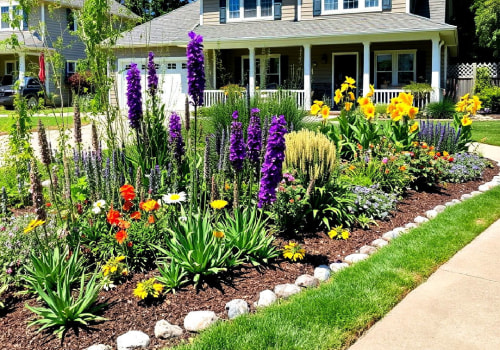
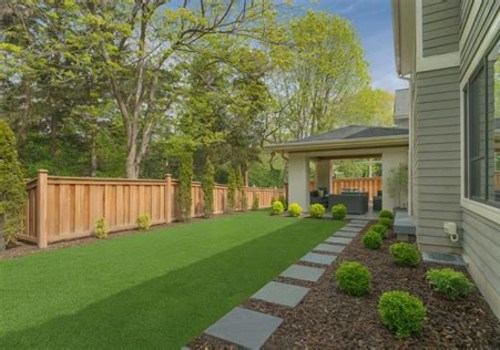
In the realm of outdoor design, landscape renovation stands as a transformative process that breathes new life into existing spaces. It involves reimagining and enhancing the natural environment surrounding a home, focusing on both aesthetic appeal and functional improvements. Whether it’s revitalizing a tired garden, updating hardscapes, or integrating modern features, landscape renovation is essential for creating an inviting outdoor atmosphere that reflects personal style and enhances property value. The importance of landscape renovation cannot be overstated. As homeowners seek to maximize their outdoor living areas, the integration of elements such as fire pits and outdoor fireplaces becomes increasingly popular.
These features not only serve as focal points but also extend the usability of outdoor spaces, allowing for cozy gatherings and memorable evenings under the stars. By understanding the principles of landscape renovation, one can effectively incorporate these elements to create a harmonious balance between nature and design. Moreover, the benefits of landscape renovation extend beyond mere aesthetics. A well-planned renovation can improve drainage, enhance biodiversity, and even reduce energy costs through strategic planting and design choices. As you embark on your journey to renovate your landscape, consider how features like fire pits can complement your vision while providing warmth and ambiance.
This thoughtful approach will ensure that your outdoor space is not only beautiful but also functional and sustainable.
Choosing the Right Location for Your Fire Pit or Outdoor Fireplace
When planning your landscape renovation, selecting the right location for your fire pit or outdoor fireplace is crucial for both safety and enjoyment. Here are some key factors to consider:- Safety First: Ensure that your fire feature is at least 10 to 20 feet away from any structures, trees, or overhanging branches. This distance helps prevent accidental fires and ensures a safe environment for gatherings.
- Accessibility: Choose a location that is easily accessible from your home and other outdoor areas. This will make it convenient for you and your guests to enjoy the fire pit or fireplace without navigating through obstacles.
- Aesthetics: Consider how the fire feature will fit into your overall landscape design.
Position it in a way that enhances the visual appeal of your yard. For instance, placing it near seating areas can create a cozy atmosphere while also serving as a focal point.
- Wind Direction: Pay attention to prevailing wind patterns in your area. Positioning your fire pit or outdoor fireplace with the wind at your back can help direct smoke away from seating areas, ensuring a more pleasant experience.
- Functionality: Think about how you plan to use the fire feature. If you envision hosting large gatherings, opt for a larger space that can accommodate multiple seating arrangements.
Conversely, if it’s for intimate evenings, a smaller, more secluded spot may be ideal.
Design Styles for Fire Pits and Outdoor Fireplaces
When considering landscape renovation, incorporating a fire pit or outdoor fireplace can significantly enhance the aesthetic and functional appeal of your outdoor space. Various design styles can be tailored to fit seamlessly into your renovated landscape, creating a cozy atmosphere for gatherings and relaxation.Contemporary Fire Pits
For a modern touch, contemporary fire pits often feature sleek lines and minimalist designs. Materials such as stainless steel, concrete, or glass are commonly used, allowing these fire features to blend with modern landscaping elements.A circular or square shape can create a focal point in a geometric garden layout.
Rustic Outdoor Fireplaces
If your landscape renovation leans towards a more natural or rustic theme, consider an outdoor fireplace made from stone or brick. These materials not only provide durability but also enhance the organic feel of the surroundings. A fireplace with a built-in seating area can create an inviting space for family and friends.Traditional Fire Pits
Traditional fire pits, often constructed from stone or masonry, evoke a classic charm that complements gardens with established plants and trees. These fire pits can be designed in various shapes, such as circular or oval, and can be surrounded by natural stone seating to create a cohesive look.Eco-Friendly Options
For environmentally conscious homeowners, eco-friendly fire features using bioethanol or propane are excellent choices.These options produce less smoke and are easier to maintain while still providing warmth and ambiance. Integrating these into a landscape renovation can highlight your commitment to sustainability.
Integrating Fire Features into Your Landscape
When planning your landscape renovation, consider how the fire pit or outdoor fireplace will interact with other elements in your yard. Positioning these features near seating areas, pathways, or water features can enhance their visual appeal and functionality. Additionally, incorporating lighting around the fire feature can create a magical atmosphere during evening gatherings.Ultimately, the design style you choose should reflect your personal taste while harmonizing with the overall landscape renovation.By thoughtfully selecting and integrating fire features, you can transform your outdoor space into a welcoming retreat.
Materials and Construction Options
When considering landscape renovation, the choice of materials for your fire pit or outdoor fireplace is crucial for both functionality and aesthetics. Various materials offer different benefits, and understanding these can help you make an informed decision.Fire Pit Materials
Fire pits can be constructed from a variety of materials, each with its own unique characteristics:- Brick: A classic choice, brick is durable and can withstand high temperatures. It also offers a traditional aesthetic that complements many landscapes.
- Stone: Natural stone provides a rustic look and is highly durable. Options like granite or slate are particularly resistant to weathering.
- Steel: For a modern touch, steel fire pits are lightweight and often portable.
They heat up quickly but may require more maintenance to prevent rust.
- Concrete: This versatile material can be molded into various shapes and sizes. It’s incredibly durable and can be finished in numerous ways to match your landscape design.
Outdoor Fireplace Construction
Building an outdoor fireplace involves careful planning and material selection:- Firebrick: Used for the interior, firebrick can withstand high temperatures without cracking, making it essential for safety.
- Masonry Blocks: These are often used for the structure of the fireplace. They provide strength and stability while allowing for creative designs.
When selecting materials, think about how they will blend with your overall landscape renovation theme. Ultimately, the right combination of materials not only enhances the visual appeal of your outdoor space but also ensures that your fire pit or fireplace remains functional and beautiful for years to come.
Incorporating Landscaping Elements Around Your Fire Feature
Incorporating landscaping elements around your fire pit or outdoor fireplace can significantly enhance your landscape renovation project, creating a cozy and inviting atmosphere. Here are some effective strategies to consider:- Choose the Right Plants: Select plants that can thrive in the conditions surrounding your fire feature. Opt for heat-tolerant varieties such as lavender, ornamental grasses, or succulents. These plants not only add color and texture but also require minimal maintenance.
- Create Defined Seating Areas: Arrange seating around your fire pit or fireplace to encourage social interaction.
Use natural stone benches, wooden chairs, or even built-in seating to create a comfortable gathering space. Ensure that the seating is positioned at a safe distance from the flames.
- Add Lighting: Incorporate ambient lighting to enhance the evening experience. String lights, lanterns, or solar-powered garden lights can illuminate the area without overpowering the natural beauty of your landscape. Consider placing lights along pathways leading to the fire feature for added safety and charm.
- Incorporate Hardscaping: Use materials like stone, brick, or pavers to create a defined area around your fire pit.
This not only adds visual interest but also helps with drainage and reduces the risk of fire hazards. A well-designed patio can serve as an extension of your living space.
- Consider Seasonal Interest: Choose a mix of evergreen and deciduous plants to ensure year-round appeal. Incorporating flowering plants that bloom in different seasons will keep your landscape vibrant and engaging throughout the year.
Safety Considerations When Installing a Fire Pit or Outdoor Fireplace
When incorporating a fire pit or outdoor fireplace into your landscape renovation, safety should be your top priority.Understanding the potential hazards and implementing proper safety measures can ensure a safe and enjoyable outdoor experience.
Fire Pit Safety Tips
- Location Matters: Position your fire pit at least 10 to 20 feet away from any structures, trees, or flammable materials. This distance helps prevent accidental fires.
- Use Non-Flammable Materials: Surround your fire pit with non-combustible materials such as stone, brick, or concrete to minimize fire risks.
- Wind Considerations: Be mindful of wind direction when choosing a location. Avoid areas where smoke may blow into your home or neighboring properties.
Outdoor Fireplace Safety Guidelines
- Proper Ventilation: Ensure that your outdoor fireplace has adequate ventilation to allow smoke to escape safely. This is crucial for both safety and comfort.
- Regular Maintenance: Inspect your fireplace regularly for any signs of damage or wear.
Clean the chimney and flue to prevent creosote buildup, which can lead to chimney fires.
- Use Appropriate Fuel: Only burn seasoned wood or approved fuels in your outdoor fireplace. Avoid burning treated wood, plastics, or other materials that can release toxic fumes.
Safe Installation Practices
- Consult Local Regulations: Before installation, check local building codes and regulations regarding fire pits and outdoor fireplaces. Some areas may have specific requirements or restrictions.
- Professional Installation: If you're unsure about the installation process, consider hiring a professional. They can ensure that your fire feature is installed safely and correctly.
- Emergency Preparedness: Keep a fire extinguisher or a bucket of water/sand nearby when using your fire feature.
Being prepared can help you quickly address any unexpected situations.
Maintenance Tips for Fire Pits and Outdoor Fireplaces
Incorporating a fire pit or outdoor fireplace into your landscape renovation can enhance your outdoor space, but maintaining these features is crucial for safety and longevity. Here are some essential maintenance tips to keep your fire features in good condition.Regular Cleaning
- Remove Ashes: After each use, allow the ashes to cool completely before removing them. Regularly cleaning out ashes prevents buildup that can affect airflow and combustion.
- Clean the Surrounding Area: Keep the area around your fire pit or fireplace free from debris, such as leaves and twigs, which can catch fire.
- Inspect for Residue: For gas fire pits, check for any residue or buildup on the burner and clean it according to the manufacturer’s instructions.
Seasonal Maintenance
- Cover Your Fire Feature: During off-seasons, use a protective cover to shield your fire pit or fireplace from harsh weather conditions. This helps prevent rust and damage.
- Check for Damage: At the beginning of each season, inspect your fire feature for cracks, rust, or other signs of wear.
Address any issues promptly to avoid further damage.
Fuel Management
- Use Appropriate Fuel: Always use the recommended fuel type for your fire pit or fireplace. Using the wrong fuel can lead to inefficient burning and potential hazards.
- Store Fuel Safely: If you use wood, store it in a dry place away from the fire feature to prevent moisture absorption and ensure optimal burning.
Frequently Asked Questions About Fire Pits and Outdoor Fireplaces in Landscape Renovation
Incorporating a fire pit or outdoor fireplace into your landscape renovation can elevate your outdoor space, but it often comes with questions and concerns. Here are some frequently asked questions to help guide your decision-making process.What are the benefits of adding a fire pit or outdoor fireplace?
Fire features not only provide warmth and ambiance but also serve as a focal point for gatherings.They can enhance the aesthetic appeal of your landscape, making it more inviting and functional for entertaining guests.
How do I choose the right location for my fire pit or fireplace?
When selecting a location, consider factors such as:- Safety: Ensure the fire feature is at least 10-20 feet away from structures, trees, and other flammable materials.
- Accessibility: Choose a spot that is easily accessible from your home and other outdoor areas.
- Wind direction: Be mindful of prevailing winds to avoid smoke blowing into your home or seating areas.
What materials should I use for my fire pit or fireplace?
The choice of materials can significantly impact both the functionality and aesthetics of your fire feature. Common options include:- Stone: Natural stone offers durability and blends well with most landscapes.
- Brick: A classic choice that provides a traditional look.
- Metal: Fire pits made from steel or cast iron are portable and often more affordable.
Are there any local regulations I need to consider?
Before installation, check with local authorities regarding any regulations or permits required for fire pits and outdoor fireplaces. Some areas may have restrictions on size, type of fuel used, or even specific safety measures that must be followed.How do I maintain my fire pit or outdoor fireplace?
Regular maintenance is essential to ensure safety and longevity. This includes:- Cleansing ash and debris after each use.
- Inspecting for cracks or damage in the structure.
- Covering the feature when not in use to protect it from the elements.
Conclusion: Transforming Your Landscape with Fire Features
Incorporating a fire pit or outdoor fireplace into your landscape renovation can significantly enhance the aesthetic and functional appeal of your outdoor space.As we have explored, these features not only serve as a focal point but also create a warm and inviting atmosphere for gatherings with family and friends.To summarize the key benefits:
- Enhanced Ambiance: A fire feature adds a cozy glow that transforms your landscape into a welcoming retreat, perfect for evening relaxation.
- Increased Usability: Fire pits and fireplaces extend the usability of your outdoor area, allowing you to enjoy your garden or patio even during cooler months.
- Design Versatility: Available in various styles and materials, fire features can complement any design theme, from rustic to modern.
- Social Hub: These installations naturally draw people together, fostering social interaction and creating memorable experiences.