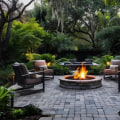
Landscape renovation is a transformative process that revitalizes outdoor spaces, enhancing both their aesthetic appeal and functionality. It involves a thoughtful redesign of existing landscapes to better meet the needs of homeowners while also considering environmental sustainability. By focusing on landscape renovation, individuals can create beautiful outdoor areas that not only look good but also require less maintenance over time. One of the primary benefits of landscape renovation is the opportunity to incorporate low-maintenance plants and materials. This approach not only reduces the time and effort needed for upkeep but also promotes a healthier ecosystem.
For instance, selecting native plants that thrive in local conditions can minimize the need for irrigation and chemical fertilizers, making your landscape more sustainable. Additionally, using hardscaping elements like patios, walkways, and retaining walls can significantly decrease the amount of lawn area that requires regular mowing and care. Moreover, a well-planned landscape renovation can increase property value and enhance curb appeal. Homeowners who invest in their outdoor spaces often find that these renovations pay off in the long run, attracting potential buyers and providing a more enjoyable living environment. As we delve deeper into the strategies for ensuring a low-maintenance landscape, it’s essential to understand how thoughtful design choices can lead to lasting benefits.
Assessing Your Current Landscape
To ensure a successful landscape renovation that is low-maintenance, the first step is to thoroughly assess your current landscape.This evaluation will help you identify areas that require attention and determine which elements can be retained or improved.
1.Evaluate Plant Health
- Examine the health of existing plants. Are they thriving or struggling? Consider removing any plants that are diseased or require excessive care.
- Identify native plants that are well-adapted to your local climate, as they typically require less maintenance.
2.Analyze Soil Conditions
- Conduct a soil test to understand its pH and nutrient levels. Healthy soil promotes robust plant growth and reduces the need for fertilizers.
- Consider amending the soil with organic matter to improve its structure and drainage, which can lead to lower maintenance needs.
3.Assess Drainage and Irrigation
- Check for areas where water tends to pool or drain poorly. Poor drainage can lead to plant stress and increased maintenance.
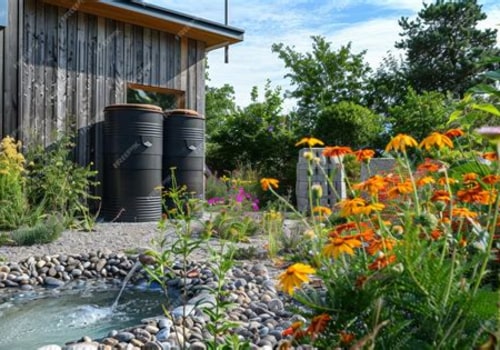
- If possible, implement a drip irrigation system or rain gardens to manage water efficiently and reduce manual watering.
4.Review Hardscape Elements
- Inspect existing hardscape features such as patios, walkways, and retaining walls.
Ensure they are in good condition and consider materials that require minimal upkeep.
- Incorporate permeable paving options to enhance drainage while minimizing maintenance.
5.Plan for Future Growth
- Consider the mature size of plants when planning your landscape. Overcrowding can lead to increased maintenance as plants compete for resources.
- Design with low-maintenance principles in mind, such as grouping plants with similar water and light needs together.
Choosing Low-Maintenance Plants
When it comes to landscape renovation, selecting the right plants is crucial for creating a low-maintenance garden that thrives with minimal intervention. Here are some key considerations and recommendations for choosing low-maintenance plants.Understanding Your Climate and Soil
Before selecting plants, assess your local climate and soil conditions.Different regions have varying levels of rainfall, temperature extremes, and soil types, which can significantly influence plant health and maintenance needs. For instance, if you live in a dry area, opting for drought-resistant plants will not only save water but also reduce the frequency of watering.
Best Plants for Low-Maintenance Landscaping
- Native Plants: These plants are adapted to your local environment and typically require less water and care. Examples include coneflowers, black-eyed Susans, and lavender.
- Sedums: These succulent plants are excellent for ground cover and require minimal watering. They thrive in poor soil conditions and can withstand drought.
- Ornamental Grasses: Varieties like blue fescue or maiden grass add texture to your landscape while requiring little maintenance.
- Perennials: Choose hardy perennials such as daylilies, hostas, or sedum, which come back year after year without needing replanting.
- Bushes and Shrubs: Consider low-maintenance shrubs like boxwood, barberry, or juniper.
These can provide structure to your landscape with minimal upkeep.
Drought-Resistant Options
If water conservation is a priority, focus on plants that are known for their drought resistance. Some excellent choices include:- Aloe Vera: This succulent not only requires little water but also offers medicinal benefits.
- Lantana: A colorful flowering plant that attracts pollinators while thriving in dry conditions.
- Sage: This aromatic herb is drought-tolerant and adds flavor to your kitchen.
Designing for Efficiency
When embarking on a landscape renovation, the key to achieving a low-maintenance design lies in the principles of efficiency. By thoughtfully planning your landscape, you can create a space that not only looks beautiful but also requires minimal upkeep.Group Plants by Similar Needs
- One of the most effective landscape design tips is to group plants with similar water, light, and soil requirements.
This practice, known as plant zoning, allows for more efficient irrigation and care.
- For instance, placing drought-tolerant plants together can reduce the need for frequent watering, while shade-loving plants can thrive in areas that receive less sunlight.
Create Functional Spaces
- Designing functional spaces is another principle of efficient landscape design. Consider how you will use your outdoor areas. Incorporate features such as patios, pathways, and seating areas that serve multiple purposes.
- This not only enhances usability but also minimizes the need for extensive maintenance. For example, using gravel or stone for pathways can reduce grass trimming and weeding.
Select Low-Maintenance Materials
- Choosing durable materials for hardscaping elements can significantly decrease maintenance efforts.
Opt for materials like composite decking or stone that withstand weather conditions without frequent repairs.
- Additionally, consider using native plants in your landscape renovation. Native species are adapted to local conditions and typically require less water and care than non-native varieties.
Incorporating Hardscaping Elements
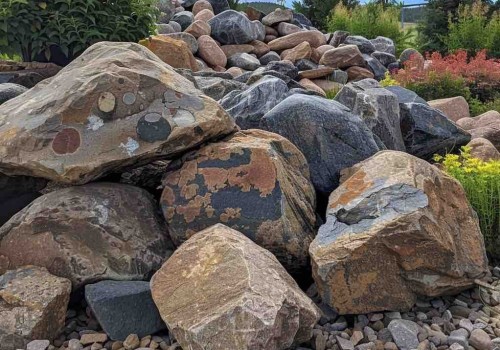
Incorporating hardscaping elements into your landscape renovation can significantly reduce maintenance needs while enhancing the aesthetic appeal of your outdoor space. Hardscaping refers to the non-plant elements of landscaping, such as patios, walkways, retaining walls, and decorative stones.By strategically integrating these features, you can create a beautiful landscape that requires minimal upkeep.
Benefits of Hardscaping
One of the primary benefits of hardscaping is its ability to reduce the amount of lawn and garden area that requires regular maintenance. This not only saves time but also decreases the need for watering, mowing, and weeding. Additionally, hardscaping can help with soil erosion control and improve drainage in your yard, making it more resilient to weather changes.Low-Maintenance Hardscaping Ideas
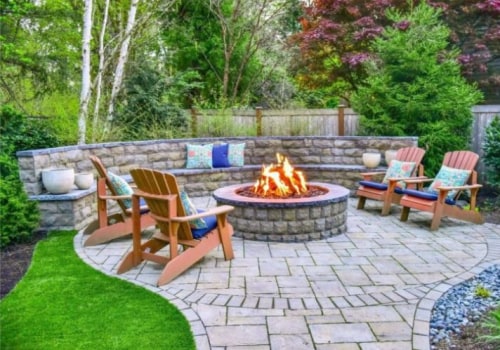
- Patios and Decks: Using materials like concrete, pavers, or composite decking can create durable surfaces that require little maintenance compared to traditional grass or flower beds.
- Walkways: Incorporating stone or gravel paths can guide visitors through your landscape while minimizing the need for grass trimming.
- Retaining Walls: These structures not only add visual interest but also help manage soil erosion and reduce the need for extensive plantings.
- Fire Pits and Outdoor Kitchens: These features enhance outdoor living spaces and often require minimal upkeep compared to traditional gardens.
Natural stone
, brick, and concrete are excellent choices that can withstand the elements while providing a timeless look.Additionally, using permeable materials can help with drainage and reduce water pooling in your yard.In conclusion, by incorporating thoughtful hardscaping elements into your landscape renovation, you can create a stunning outdoor environment that is both functional and low-maintenance. This approach not only enhances the beauty of your property but also allows you to enjoy your outdoor space without the burden of constant upkeep.
Implementing Efficient Irrigation Systems
When it comes to landscape renovation, implementing efficient irrigation systems is crucial for creating a low-maintenance environment. Proper watering techniques not only promote healthy plant growth but also conserve water, making your landscape more sustainable.One of the most effective options for low-maintenance landscapes is drip irrigation. This system delivers water directly to the roots of plants, minimizing evaporation and runoff.Here are some key benefits of drip irrigation:
- Water Efficiency: Drip irrigation uses significantly less water compared to traditional sprinkler systems, which can waste water through overspray and evaporation.
- Targeted Watering: By directing water precisely where it’s needed, drip systems reduce the risk of overwatering and help prevent diseases caused by excess moisture on foliage.
- Reduced Weeds: Since water is delivered directly to the plants, surrounding weeds receive less moisture, which can help keep them at bay.
- Time-Saving: Automated drip irrigation systems can be programmed to water at specific times, reducing the need for manual watering and allowing you to spend more time enjoying your landscape.
By investing in efficient solutions like drip irrigation, rainwater harvesting, and smart controllers, you can create a thriving outdoor space that requires minimal upkeep while conserving valuable resources.
Mulching and Ground Covers for Weed Control
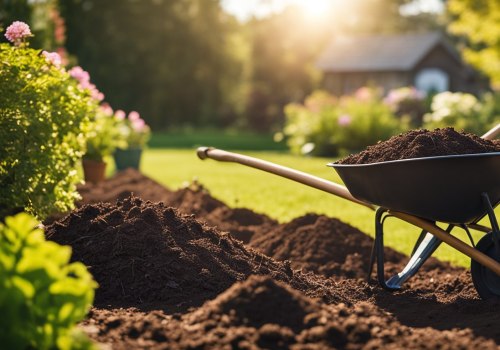
One of the most effective strategies for ensuring a low-maintenance landscape renovation is through the use of mulching and ground covers. These elements not only enhance the aesthetic appeal of your garden but also play a crucial role in weed control and moisture retention.Benefits of Mulching
- Weed Suppression: A thick layer of mulch can significantly reduce weed growth by blocking sunlight and preventing weed seeds from germinating.
- Moisture Retention: Mulch helps retain soil moisture, reducing the need for frequent watering, which is especially beneficial during dry spells.
- Soil Temperature Regulation: It insulates the soil, keeping it cooler in summer and warmer in winter, promoting healthier plant growth.
- Organic Matter Addition: As organic mulches decompose, they enrich the soil with nutrients, improving its overall health.
Selecting the Right Mulch
When choosing mulch, consider materials such as wood chips, straw, or shredded leaves. Each type has its own benefits:
- Wood Chips: Long-lasting and aesthetically pleasing, ideal for flower beds and around trees.
- Straw: Lightweight and easy to spread, perfect for vegetable gardens.
- Shredded Leaves: Readily available and free, they break down quickly to enrich the soil.
Ground Covers for Landscaping
In addition to mulching, incorporating ground covers can further enhance your landscape's resilience against weeds. Ground covers are low-growing plants that spread quickly to cover bare soil.
They provide several advantages:
- Weed Barrier: By covering the ground, they outcompete weeds for resources.
- Aesthetic Appeal: They add texture and color to your landscape throughout the seasons.
- Erosion Control: Their root systems help stabilize soil and prevent erosion on slopes.
Selecting Ground Covers
When selecting ground covers, consider factors such as climate, sunlight exposure, and soil type. Some popular options include:
- Creeping Thyme: Drought-tolerant and fragrant, ideal for sunny areas.
- Pachysandra: A shade-loving option that thrives in low-light conditions.
- Ivy: Versatile and hardy, suitable for both sunny and shady spots.
Maintaining Your Low-Maintenance Landscape
To ensure your landscape renovation remains low-maintenance, it’s essential to adopt a few ongoing practices that will keep your garden thriving with minimal effort. Here are some effective landscape maintenance tips to consider:- Mulching: Apply a layer of organic mulch around plants and garden beds. This helps retain moisture, suppress weeds, and improve soil quality as it decomposes.
- Watering Wisely: Implement a drip irrigation system or soaker hoses to deliver water directly to the roots.
This method conserves water and reduces the frequency of watering.
- Choosing Native Plants: Incorporate native plants into your landscape. They are adapted to the local climate and soil conditions, requiring less water and care.
- Regular Pruning: Schedule seasonal pruning to remove dead or overgrown branches. This not only keeps plants healthy but also encourages new growth.
- Spring: Clean up debris, check for pests, and apply a slow-release fertilizer to support new growth.
- Summer: Monitor watering needs, especially during dry spells, and deadhead flowers to promote blooming.
- Fall: Rake leaves, cut back perennials, and prepare your garden for winter by adding compost or mulch.
- Winter: Protect sensitive plants with burlap or mulch and plan for any necessary repairs or updates in the spring.
FAQs About Low-Maintenance Landscape Renovation
When considering landscape renovation, many homeowners have questions about how to achieve a low-maintenance design.Here are some frequently asked questions that can help clarify your concerns:
- What plants are best for low-maintenance landscaping?
Opt for native plants, as they are adapted to the local climate and require less water and care. Additionally, consider drought-resistant varieties such as succulents or ornamental grasses that thrive with minimal intervention. - How can I reduce lawn maintenance?
Replace traditional grass lawns with ground covers or hardscaping elements like patios and walkways. If you prefer grass, choose low-growing varieties that require less mowing and watering. - What hardscaping features can enhance low-maintenance landscapes?
Incorporate features like stone pathways, retaining walls, and decorative gravel. These elements not only reduce the need for plant upkeep but also add visual interest to your landscape. - Is mulch beneficial for low-maintenance gardens?
Yes, using mulch helps retain soil moisture, suppress weeds, and improve soil quality over time.Organic mulches, such as wood chips or bark, can also enhance the aesthetic appeal of your garden.
- How often should I water my low-maintenance landscape?
The frequency of watering depends on the plant selection and climate. Generally, deep watering once a week is sufficient for established plants. Consider installing a drip irrigation system for efficiency.