Incorporating a water feature into your landscape renovation can transform an ordinary outdoor space into a serene oasis. The benefits of adding elements such as ponds, fountains, or waterfalls extend far beyond mere aesthetics. These features create a captivating focal point that draws the eye and enhances the overall design of your landscape. The gentle sound of flowing water not only soothes the senses but also masks unwanted noise from nearby streets or neighbors, creating a peaceful retreat right in your backyard. Moreover, water features play a significant role in attracting wildlife, enriching the biodiversity of your garden.
Birds, butterflies, and beneficial insects are naturally drawn to water sources, which can help create a vibrant ecosystem. This interaction with nature not only enhances the beauty of your landscape but also contributes to its health and sustainability. Additionally, the presence of water can improve the microclimate of your garden, providing cooler temperatures during hot summer months and increasing humidity levels that benefit plant growth. Finally, investing in a well-designed water feature can significantly enhance your property value. Potential buyers often view these elements as luxurious additions that elevate the appeal of a home.
A thoughtfully integrated water feature can set your landscape apart from others in the neighborhood, making it more attractive to prospective buyers. In summary, the incorporation of water features into your landscape renovation offers numerous advantages that enrich both the environment and your living experience.
Types of Water Features to Consider
Incorporating a water feature into your landscape renovation can transform your outdoor space into a serene oasis. Here are some popular types of water features to consider:- Garden Ponds: A garden pond can serve as a stunning focal point in your landscape. These ponds can be designed to accommodate fish, aquatic plants, and even small waterfalls.
When planning a pond, consider its size, depth, and location to ensure it complements your existing landscape.
- Fountains: Fountains add a touch of elegance and can be found in various styles, from modern to classical. They can be freestanding or wall-mounted and come in different materials such as stone, metal, or ceramic. The sound of flowing water from a fountain can create a calming atmosphere, making it an excellent choice for relaxation areas.
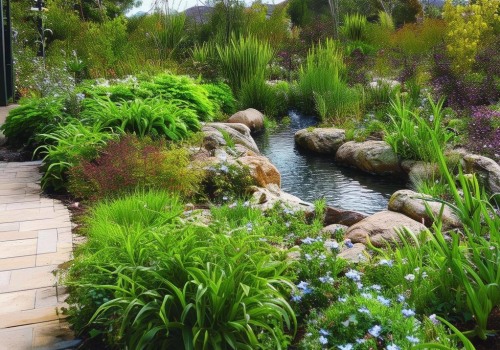
- Waterfalls: A waterfall can bring a dynamic element to your landscape. Whether it cascades into a pond or flows over rocks, the sight and sound of falling water can enhance the natural beauty of your garden.
Consider incorporating native stones and plants around the waterfall for a more organic look.
- Streams: If you have the space, a stream can add movement and life to your landscape. Streams can meander through your garden, connecting different areas while providing habitats for wildlife. You can design them to be gentle and serene or more dramatic with varying widths and depths.
By carefully choosing the right type of water feature, you can create an inviting outdoor space that enhances both beauty and tranquility.
Planning Your Water Feature: Key Considerations
Incorporating a water feature into your landscape renovation requires careful planning to ensure it enhances the overall aesthetic and functionality of your outdoor space. Here are some key considerations to keep in mind:Location
The placement of your water feature is crucial. Consider areas that are visible from your home or frequently used outdoor spaces, such as patios or decks. Additionally, think about how the feature will interact with existing elements like trees, shrubs, and pathways.A well-placed water feature can serve as a focal point, drawing the eye and creating a sense of tranquility.
Size and Scale
The size of your water feature should be proportional to your landscape. A small pond may get lost in a large yard, while an oversized fountain could overwhelm a compact garden. Measure the available space and visualize how the feature will fit within the existing layout. It’s often helpful to use stakes or garden hoses to outline the proposed dimensions before making a final decision.Style Compatibility
Your water feature should complement the overall landscape design.For instance, a modern fountain may clash with a rustic garden, while a natural pond can enhance a woodland setting. Consider materials and colors that harmonize with your existing landscape elements. Stone, wood, and metal can all create different atmospheres, so choose wisely based on your desired aesthetic.
Maintenance Considerations
All water features require some level of maintenance, so it’s essential to factor this into your planning. Consider how easy it will be to access the feature for cleaning and upkeep.If you opt for a pond, think about fish and plant life that may require additional care. Additionally, consider incorporating filtration systems or pumps that can simplify maintenance tasks.By thoughtfully considering these aspects—location, size, style compatibility, and maintenance—you can successfully integrate a water feature into your landscape renovation, creating a serene and inviting outdoor environment.
Designing Your Water Feature: A Step-by-Step Guide
Incorporating a water feature into your landscape renovation can transform your outdoor space into a serene oasis. Here’s a step-by-step guide to help you design and install your own DIY water feature.- Determine the Type of Water Feature: Start by deciding what type of water feature you want. Options include ponds, fountains, waterfalls, or even a simple birdbath.
Consider the size of your landscape and the overall aesthetic you wish to achieve.
- Choose a Location: Select a spot that enhances your landscape while ensuring accessibility for maintenance. Look for areas that receive adequate sunlight and are visible from key vantage points in your yard.
- Gather Materials: Depending on your chosen design, you will need various materials. Common items include:
- Pond liner (for ponds)
- Water pump (for fountains and waterfalls)
- Rocks and gravel (for natural aesthetics)
- Pipes and tubing (for water circulation)
- Plants (to enhance the natural look)
- Prepare the Site: Clear the area of debris and vegetation. If you’re installing a pond, dig out the shape and depth according to your design.
Ensure the edges are smooth and level.
- Install the Water Feature: For a pond, lay down the pond liner, ensuring it fits snugly into the excavated area. For fountains, follow the manufacturer’s instructions for assembly. Make sure to securely place any rocks or decorative elements.
- Add Water and Plants: Fill your water feature with water, allowing it to settle. Introduce aquatic plants to promote a healthy ecosystem and enhance visual appeal.
- Test the System: Turn on the pump to ensure proper water flow.
Check for leaks or any adjustments needed in the setup.
- Maintain Your Water Feature: Regular maintenance is crucial for longevity. Clean debris, check water levels, and ensure that plants are thriving.
Integrating Plants and Landscaping Around Your Water Feature
Incorporating plants into your landscape renovation around a water feature can significantly enhance its visual appeal and create a harmonious environment. The right selection and placement of plants not only frame the water feature but also contribute to the overall ecosystem.Choosing the Right Plants
- Aquatic Plants: These are essential for any water feature.
Consider water lilies, lotus, and water hyacinth for their beauty and ability to provide shade, which helps control algae growth.
- Marginal Plants: These plants thrive at the edges of water features. Options like cattails, irises, and sedges can add height and texture while stabilizing the soil.
- Surrounding Landscape Plants: Choose plants that complement your water feature. Native plants such as daylilies, hostas, and ferns can create a seamless transition from land to water.
Placement Strategies
- Create Layers: Use taller plants at the back or center of the feature, gradually transitioning to shorter plants at the edges. This layering effect draws the eye towards the water.
- Consider Color and Texture: Select a mix of foliage colors and textures to create visual interest.
For instance, pairing broad-leaved plants with fine-textured grasses can add depth.
- Seasonal Interest: Incorporate a variety of plants that bloom at different times of the year to ensure that your landscape remains vibrant throughout all seasons.
Caring for Your Plants
Regular maintenance is crucial for keeping both your plants and water feature healthy. Ensure adequate watering, especially during dry spells, and consider using organic fertilizers to promote growth without harming aquatic life. Additionally, regularly check for pests or diseases that could affect your plant health.By thoughtfully integrating plants around your water feature, you can create a stunning focal point in your landscape renovation that not only enhances beauty but also supports local wildlife and promotes biodiversity.
Maintenance Tips for Your Water Feature
Incorporating a water feature into your landscape renovation can significantly enhance the aesthetic appeal of your outdoor space. However, to ensure that your investment remains beautiful and functional, regular maintenance is essential.Here are some practical maintenance tips to keep your water feature in top condition.
- Regular Cleaning: Depending on the type of water feature, debris such as leaves, dirt, and algae can accumulate. For garden ponds, use a skimmer net to remove floating debris weekly. For fountains, wipe down surfaces with a soft cloth to prevent buildup.
- Water Quality Management: Maintaining clean water is crucial for the health of any aquatic life and the overall appearance of your feature. Test the water regularly for pH levels and clarity.
Consider using a water conditioner or clarifier to keep it clear.
- Pond Maintenance: If you have a garden pond, check the filtration system regularly to ensure it is functioning properly. Clean or replace filters as needed to prevent clogging and maintain water circulation.
- Fountain Upkeep: For fountains, inspect the pump periodically to ensure it is working efficiently. Clean the pump and remove any obstructions that may hinder water flow. Additionally, check for leaks and repair them promptly to avoid water loss.
- Seasonal Care: During colder months, consider winterizing your water feature.
This may involve removing pumps and draining water from fountains to prevent freezing damage. In spring, clean out any debris that has accumulated over winter.
Common Mistakes to Avoid When Adding a Water Feature
Incorporating a water feature into your landscape renovation can elevate the aesthetic appeal and create a serene environment. However, there are several common mistakes that homeowners often make during this process.Understanding these pitfalls can help you avoid costly errors and ensure a successful installation.
- Neglecting Scale and Proportion: One of the most frequent mistakes is choosing a water feature that is either too large or too small for the space. A massive fountain in a tiny garden can overwhelm the area, while a small pond in a vast yard may go unnoticed. Always consider the scale of your landscape when selecting a water feature.
- Ignoring Maintenance Needs: Water features require regular upkeep, including cleaning and water level management. Failing to account for this can lead to an unsightly or malfunctioning feature.
Before installation, research the maintenance requirements of your chosen feature and ensure you are prepared to meet them.
- Poor Placement: The location of your water feature is crucial. Placing it in direct sunlight can lead to algae growth, while positioning it too close to trees may result in debris accumulation. Aim for a spot that balances sunlight and shade, enhancing both aesthetics and functionality.
- Overlooking Local Wildlife: Water features can attract wildlife, which may be desirable or undesirable depending on your preferences. Failing to consider how local animals will interact with your feature can lead to unexpected challenges.
Research local wildlife habits and plan accordingly to either encourage or deter them.
- Forgetting About Sound: The sound of flowing water can be soothing, but if not properly designed, it can become overwhelming or disruptive. Consider the acoustic impact of your water feature on surrounding areas, especially if you have outdoor living spaces nearby.
FAQs About Water Features in Landscape Renovation
Incorporating a water feature into your landscape renovation can elevate the aesthetic appeal and create a serene environment. Here are some frequently asked questions that can help guide your decisions:- What types of water features are suitable for residential landscapes?
Common options include ponds, fountains, waterfalls, and birdbaths.Each type offers unique benefits and can be tailored to fit various landscape styles.
- How do I choose the right size for my water feature?
The size should be proportional to your yard. A small garden may benefit from a compact fountain, while larger spaces can accommodate expansive ponds or waterfalls. - What maintenance is required for water features?
Regular maintenance includes cleaning debris, checking water levels, and ensuring pumps are functioning properly. Depending on the type of feature, you may also need to manage algae growth. - Can I incorporate fish or plants in my water feature?
Yes! Adding fish like koi or aquatic plants can enhance the ecosystem of your water feature. However, ensure that the feature is designed to support these additions. - Are there any environmental considerations?
It's essential to consider local wildlife and water usage.Opting for native plants around your water feature can promote biodiversity and reduce maintenance.