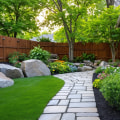
Landscape renovation is a transformative process that goes beyond mere aesthetics; it is about revitalizing outdoor spaces to enhance their ecological health and functionality. This practice involves assessing existing landscapes, identifying areas for improvement, and implementing changes that align with both environmental sustainability and personal preferences. By focusing on landscape renovation, homeowners and landscape professionals can create vibrant, resilient ecosystems that support local wildlife while providing a beautiful backdrop for daily life. Understanding what landscape renovation entails is crucial for anyone looking to refresh their outdoor environment. It encompasses a range of activities, from removing invasive species to reimagining garden layouts.
One of the most significant benefits of this approach is its potential to improve biodiversity. By incorporating native plants into the design, renovators can create habitats that attract pollinators and other beneficial organisms, ultimately leading to a healthier ecosystem. Moreover, landscape renovation can significantly reduce maintenance costs and water usage. Native plants are adapted to local climates and soil conditions, requiring less irrigation and fewer chemical inputs than non-native species. This not only conserves resources but also promotes a more sustainable approach to gardening.
As we delve deeper into the various strategies for integrating native plants into renovated landscapes, it becomes clear that this practice is not just beneficial for the environment; it also enriches our connection to nature.
The Benefits of Using Native Plants in Landscape Renovation
Incorporating native plants into your landscape renovation offers a multitude of benefits that can enhance both the ecological health of your environment and the aesthetic appeal of your outdoor spaces. Here are some key advantages:- Ecological Benefits: Native plants are adapted to the local climate and soil conditions, making them more resilient to pests and diseases. This natural resistance reduces the need for chemical pesticides, promoting a healthier ecosystem.
- Biodiversity Support: By using native plants, you create habitats for local wildlife, including birds, butterflies, and beneficial insects. This biodiversity is crucial for maintaining balanced ecosystems and can help pollinate other plants in your garden.
- Water Conservation: Native plants typically require less water than non-native species once established.
Their deep root systems allow them to access moisture from deeper soil layers, making them ideal for sustainable landscaping practices.
- Low Maintenance: Once established, native plants generally require less maintenance than exotic species. They are well-suited to local conditions and often thrive without the need for fertilizers or extensive care.
- Aesthetic Appeal: Native plants offer unique beauty that reflects the natural landscape of your region. Their seasonal blooms and varied textures can create visually stunning gardens that change throughout the year.
Assessing Your Landscape: Identifying Opportunities for Native Plant Integration
To successfully incorporate native plants into your landscape renovation, it is essential to first assess your current landscape.This evaluation will help you identify opportunities for integrating native species that can enhance biodiversity, reduce maintenance, and improve the overall aesthetic of your outdoor space.
1.Evaluate Existing Conditions
- Soil Quality: Test your soil to understand its pH, nutrient levels, and drainage capabilities. Native plants often thrive in specific soil conditions, so knowing your soil type will guide your plant selection.
- Sunlight Exposure: Observe how much sunlight different areas of your landscape receive throughout the day. Some native plants prefer full sun, while others thrive in partial shade.
- Water Availability: Assess the moisture levels in various parts of your yard. Areas that are consistently wet or dry can dictate which native plants will flourish.
2.Identify Existing Flora and Fauna
Take note of any existing plants and wildlife in your landscape.
Understanding the current ecosystem can help you choose native plants that will complement and support local wildlife, such as pollinators and birds.
3.Look for Underutilized Spaces
- Empty Beds: Identify any garden beds that are underutilized or overrun with weeds. These areas can be transformed with native plantings that require less maintenance.
- Edges and Borders: Consider the edges of your property or garden beds where native grasses or flowering plants can create a natural transition between cultivated areas and wild spaces.
- Slopes and Drainage Areas: Areas prone to erosion or water runoff can benefit from deep-rooted native plants that stabilize the soil and improve water absorption.
4.Plan for Seasonal Interest
When selecting native plants, consider their blooming seasons and foliage changes throughout the year. A well-planned arrangement can provide visual interest across all seasons, enhancing the beauty of your landscape renovation.By thoroughly assessing your landscape, you can uncover numerous opportunities to integrate native plants effectively, creating a sustainable and vibrant environment that benefits both you and local ecosystems.
Designing with Native Plants: Tips and Techniques
Incorporating native plants into your landscape renovation can enhance biodiversity, reduce maintenance, and create a more sustainable environment. Here are some practical tips and techniques to effectively design with native plants:- Understand Your Local Ecosystem: Before selecting native plants, research the local climate, soil types, and existing wildlife.
This knowledge will help you choose plants that thrive in your area and support local fauna.
- Choose a Variety of Species: Incorporate a mix of grasses, shrubs, and flowering plants to create layers in your landscape. This diversity not only adds visual interest but also provides habitats for various species.
- Group Plants by Their Needs: When designing your layout, group plants with similar water and sunlight requirements together. This technique promotes healthy growth and simplifies maintenance.
- Create Naturalistic Designs: Instead of rigid lines and geometric shapes, opt for more organic forms that mimic natural landscapes. Curved beds and clusters of plants can create a more inviting atmosphere.
- Incorporate Seasonal Interest: Select native plants that bloom at different times throughout the year.
This ensures that your landscape remains vibrant and engaging across all seasons.
- Utilize Hardscaping Wisely: Integrate natural materials like stone or wood for pathways and borders. These elements can complement the native plants while providing structure to your design.
Creating a Native Plant Palette: Choosing the Right Species
When embarking on a landscape renovation, selecting the right native plant species is crucial for creating a sustainable and visually appealing environment. Here are some key considerations to help you build an effective native plant palette:- Understand Your Local Climate: Different regions have varying climates that affect plant growth.
Research the hardiness zone of your area to identify which native plants thrive in your specific conditions.
- Assess Soil Conditions: Conduct a soil test to determine pH levels, drainage, and nutrient content. Native plants often have specific soil requirements, so knowing your soil type will help you choose species that will flourish.
- Consider Sunlight Exposure: Observe the sunlight patterns in your landscape. Some native plants prefer full sun, while others thrive in partial shade. Matching plants to their ideal light conditions is essential for their success.
- Aesthetic Preferences: Think about the visual impact you want to achieve.
Native plants come in various colors, sizes, and textures. Create a diverse palette that reflects your personal style while also supporting local wildlife.
- Research Local Flora: Consult local extension services or native plant societies for lists of recommended species that are well-suited to your area.
- Visit Native Plant Nurseries: Explore local nurseries that specialize in native plants. The staff can provide valuable insights and help you select healthy specimens.
- Create a Planting Plan: Once you've selected your species, sketch out a planting plan that considers the mature size of each plant and their spacing requirements. This will ensure a balanced and harmonious landscape.
Maintenance Considerations for Native Plant Landscapes
Maintaining a landscape that features native plants requires a different approach compared to traditional non-native gardens.Understanding the unique needs of these plants is essential for ensuring their health and longevity.
Watering Needs
- Native plants are often adapted to local climate conditions, which means they typically require less water once established. However, during the first year, regular watering is crucial to help them develop strong root systems.
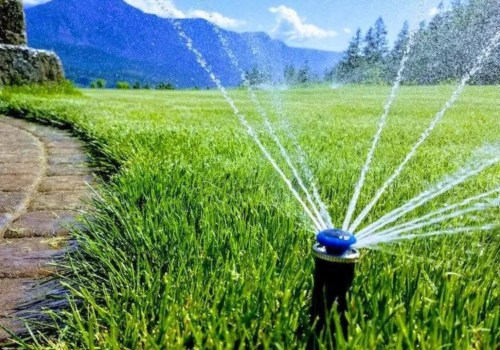
- Consider implementing a drip irrigation system or using rain barrels to conserve water and provide consistent moisture without overwatering.
Soil Health
- Native plants thrive in well-drained soils that mimic their natural habitats. Conduct a soil test to determine pH and nutrient levels, and amend the soil as necessary with organic matter.
- Avoid using chemical fertilizers, as they can disrupt the natural balance of the ecosystem. Instead, opt for compost or natural fertilizers to promote healthy growth.
Pest Management
- One of the benefits of native plants is their resistance to local pests and diseases.
However, it’s still important to monitor for any signs of infestation.
- Encourage beneficial insects by planting a variety of native species that attract pollinators and predators, which can help keep pest populations in check.
Weed Control
- Weeds can compete with native plants for resources. Regularly inspect your landscape and remove invasive species by hand or with mulch to suppress their growth.
- Consider using native ground covers to outcompete weeds naturally while enhancing the aesthetic appeal of your landscape.
Seasonal Care
- Different native plants have varying seasonal needs. Some may require pruning in late winter or early spring, while others may benefit from deadheading after blooming.
- Observe your plants throughout the seasons to understand their specific care requirements and adjust your maintenance routine accordingly.
Case Studies: Successful Native Plant Integrations in Landscape Renovation
Incorporating native plants into landscape renovations can yield stunning results, as demonstrated by several successful case studies. These examples not only showcase the aesthetic benefits but also highlight the ecological advantages of using native flora.1.Urban Park Revitalization
A recent renovation of Greenwood Park in a bustling urban area transformed a neglected space into a vibrant community hub.The design team replaced non-native grass and ornamental plants with a variety of local species, including purple coneflower and black-eyed Susan. This shift not only improved biodiversity but also reduced maintenance costs by 30%, as native plants require less water and fertilizer.
2.Residential Landscape Transformation
In a suburban neighborhood, the Johnson family undertook a landscape renovation to enhance their property’s curb appeal while promoting sustainability. They replaced their traditional lawn with a native plant garden featuring milkweed, bee balm, and switchgrass. This decision attracted local pollinators and provided a habitat for wildlife, significantly increasing the ecological value of their yard.3.Commercial Property Enhancement
A local business, EcoTech Solutions, decided to renovate its landscape to reflect its commitment to sustainability.The company opted for a native plant landscape that included red twig dogwood and serviceberry. This not only enhanced the visual appeal of the property but also served as an educational tool for clients about the benefits of native landscaping.
4.Community Garden Initiative
The Green Thumb Community Garden project successfully integrated native plants into its design, focusing on species that thrive in the local climate. By incorporating plants like wild geraniums and goldenrod, the garden became a model for sustainable practices, demonstrating how community spaces can support local ecosystems while providing fresh produce.These case studies illustrate that successful landscape renovations using native plants not only enhance beauty but also promote environmental health. By drawing inspiration from these examples, homeowners and landscape designers can create spaces that are both aesthetically pleasing and ecologically beneficial.FAQs About Incorporating Native Plants into Landscape Renovation
Incorporating native plants into your landscape renovation can raise several questions.Here are some frequently asked questions that can help clarify the process and benefits of using native flora.
- What are native plants? Native plants are species that naturally occur in a specific region, having adapted to the local climate, soil, and wildlife. They play a crucial role in maintaining ecological balance.
- Why should I use native plants in my landscape renovation? Native plants require less water, fertilizer, and maintenance compared to non-native species. They also provide habitat for local wildlife, including pollinators like bees and butterflies, enhancing biodiversity.
- How do I choose the right native plants for my area? Research your local ecosystem and consult with local nurseries or extension services to find native species that thrive in your specific soil type and climate. Online resources and plant databases can also be helpful.
- Can I mix native plants with non-native species? Yes, but it’s essential to ensure that non-native plants do not outcompete or harm the native species.
Focus on creating a balanced ecosystem that supports local wildlife.
- What are some common misconceptions about native plants? One common misconception is that native plants are less attractive than ornamental varieties. In reality, many native species offer stunning blooms and unique textures that can enhance the aesthetic appeal of your landscape.
Conclusion: Embracing Native Plants for a Sustainable Future in Landscaping
Incorporating native plants into your landscape renovation is not just a trend; it is a vital step towards creating a sustainable and resilient ecosystem. Throughout this article, we have explored various strategies for integrating these plants into your outdoor spaces, emphasizing their numerous benefits.Key Benefits of Native Plants:
- Low Maintenance: Native plants are adapted to local conditions, requiring less water and fewer chemical inputs.
- Biodiversity Support: They provide essential habitats for local wildlife, including pollinators like bees and butterflies.
- Soil Health: Native species contribute to improved soil structure and fertility, enhancing the overall health of your landscape.
- Assess Your Site: Understand the specific conditions of your landscape, including soil type, sunlight exposure, and moisture levels.
- Select Appropriate Species: Choose native plants that thrive in your region and complement your design goals.
- Create Diverse Plantings: Mix various species to promote biodiversity and create visually appealing landscapes.
This commitment fosters a healthier ecosystem that benefits both people and wildlife. As we move forward, let us prioritize the use of native flora in our landscaping efforts, ensuring a greener future for generations to come.