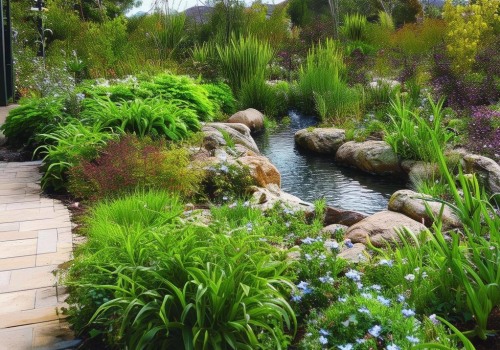
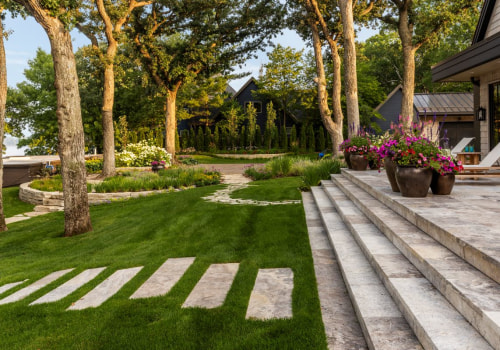
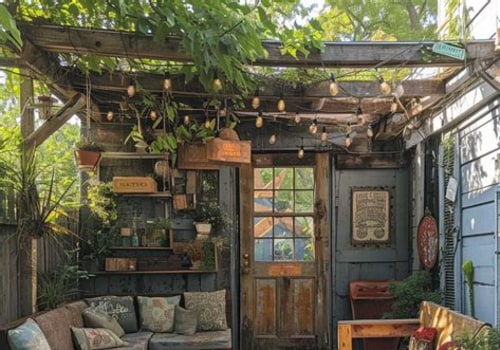
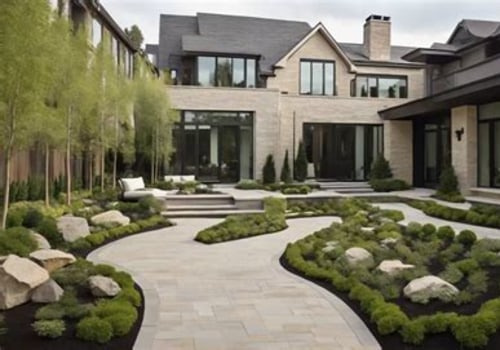
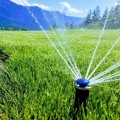
Landscape renovation is a transformative process that goes beyond mere aesthetics; it involves reimagining and revitalizing outdoor spaces to enhance their functionality, sustainability, and beauty. As urbanization continues to expand, the need for thoughtful landscape renovation becomes increasingly critical. This practice not only addresses the visual appeal of a property but also contributes to environmental health by promoting biodiversity, improving air quality, and managing stormwater effectively. Incorporating sustainable practices into landscape renovation can yield numerous benefits. For instance, using native plants reduces water consumption and maintenance costs while supporting local wildlife.
Additionally, implementing permeable paving solutions can help mitigate flooding and reduce runoff, making your landscape more resilient to climate change. By prioritizing sustainability in your renovation project, you not only create a more inviting outdoor space but also contribute positively to the ecosystem. Understanding the principles of landscape renovation is essential for anyone looking to embark on this journey. It involves assessing existing conditions, identifying opportunities for improvement, and selecting materials and plants that align with sustainable practices. As we delve deeper into the various strategies for incorporating sustainability into your landscape renovation project, you'll discover how these efforts can lead to a healthier environment and a more enjoyable outdoor experience.
Assessing Your Current Landscape
Before embarking on a landscape renovation project, it is essential to conduct a thorough evaluation of your current landscape.This assessment will help you identify areas that require improvement and highlight opportunities for incorporating sustainable practices.
Steps for Landscape Evaluation
- Observe Plant Health: Take note of the health of existing plants. Are there any diseased or dying plants? Identifying these issues early can help you decide whether to replace them with more resilient, native species.
- Assess Soil Quality: Conduct a soil test to determine pH levels and nutrient content. Healthy soil is crucial for sustainable landscaping, as it supports plant growth and reduces the need for chemical fertilizers.
- Evaluate Water Usage: Analyze your current irrigation system. Is it efficient? Consider whether you can implement rainwater harvesting or drip irrigation systems to conserve water.
- Check for Erosion: Look for signs of soil erosion, especially on slopes.
Implementing ground cover plants or terracing can help mitigate this issue while enhancing the landscape's aesthetic appeal.
- Identify Microclimates: Different areas of your landscape may have varying sunlight, moisture, and wind conditions. Understanding these microclimates can guide your plant selection and placement.
Landscape Assessment Checklist
- Document existing plants and their conditions.
- Test soil and note its composition.
- Evaluate current irrigation methods and water usage.
- Identify areas prone to erosion or drainage issues.
- Map out microclimates within your landscape.
Setting Sustainable Goals for Your Renovation
Setting sustainable goals for your landscape renovation project is crucial to ensure that your efforts are effective and impactful. By utilizing the SMART criteria—Specific, Measurable, Achievable, Relevant, and Time-bound—you can create a clear roadmap for your eco-friendly landscaping objectives.- Specific: Define what you want to achieve with your renovation.
For instance, instead of saying "I want a greener yard," specify "I want to plant 20 native trees and install a rain garden to manage stormwater runoff." This clarity helps in focusing your efforts.
- Measurable: Establish criteria to track your progress. You might set a goal to reduce water usage by 30% within the first year of your renovation. This allows you to assess whether your sustainable practices are effective.
- Achievable: Ensure that your goals are realistic given your resources and constraints. If you have limited time or budget, consider starting with smaller projects, such as creating a compost area or installing permeable paving.
- Relevant: Align your goals with broader environmental objectives.
For example, if local biodiversity is declining, focus on planting species that support local wildlife and pollinators.
- Time-bound: Set deadlines for achieving your goals. For instance, aim to complete the installation of native plants within six months and monitor their growth over the following year.
Choosing Native Plants and Sustainable Materials
Incorporating native plants into your landscape renovation not only enhances the aesthetic appeal of your outdoor space but also promotes biodiversity and sustainability. Native plants are adapted to the local climate and soil conditions, making them more resilient and easier to maintain compared to non-native species.They require less water, fertilizer, and pesticides, which can significantly reduce your environmental footprint.When selecting native plants for landscaping, consider the following:
- Local Flora: Research plants that are indigenous to your region. Local extension services or native plant societies can provide valuable resources.
- Diversity: Aim for a mix of species to create a balanced ecosystem. This diversity can attract beneficial insects and pollinators.
- Seasonal Interest: Choose plants that offer visual interest throughout the year, including flowering plants, evergreens, and those with unique bark or foliage.
- Recycled Materials: Opt for materials made from recycled content, such as reclaimed wood for decking or recycled concrete for pathways.
- Locally Sourced Products: Choose materials sourced from local suppliers to reduce transportation emissions and support the local economy.
- Durable Options: Invest in high-quality materials that will last longer, reducing the need for replacements and minimizing waste over time.
This approach not only enhances your property’s value but also fosters a healthier ecosystem for future generations.
Water Conservation Techniques in Landscape Renovation
Incorporating water conservation techniques into your landscape renovation project is essential for promoting sustainability and reducing water usage. Here are several effective strategies to consider:- Choose Native Plants: Opt for native plants that are adapted to your local climate and require less water. These plants are more resilient to drought conditions and can thrive with minimal irrigation.
- Drought-Resistant Landscaping: Implement drought-resistant landscaping techniques, such as xeriscaping, which focuses on using drought-tolerant plants and minimizing lawn areas. This approach not only conserves water but also reduces maintenance costs.
- Efficient Irrigation Systems: Install modern irrigation systems, such as drip irrigation or soaker hoses, which deliver water directly to the plant roots, minimizing evaporation and runoff.
Consider using smart irrigation controllers that adjust watering schedules based on weather conditions.
- Rainwater Harvesting: Set up a rainwater harvesting system to collect and store rainwater for irrigation purposes. This sustainable practice reduces reliance on municipal water supplies and helps manage stormwater runoff.
- Mulching: Apply a layer of organic mulch around plants to retain soil moisture, suppress weeds, and regulate soil temperature. Mulching can significantly reduce the need for frequent watering.
Soil Health and Management Practices
Soil health is a critical component of sustainable landscape renovation.Healthy soil not only supports plant growth but also contributes to the overall ecosystem by improving water retention, reducing erosion, and promoting biodiversity. To achieve optimal soil health during your renovation project, consider implementing the following practices:
- Conduct a Soil Test: Before starting your renovation, perform a soil test to assess pH levels, nutrient content, and organic matter. This information will guide your amendments and help you understand the specific needs of your soil.
- Incorporate Organic Matter: Adding organic materials such as compost, well-rotted manure, or leaf mold can significantly improve soil structure and fertility. These amendments enhance microbial activity and provide essential nutrients for plants.
- Practice Crop Rotation: If your landscape includes edible gardens, rotating crops can prevent nutrient depletion and reduce pest buildup.
Different plants have varying nutrient requirements and pest profiles, which helps maintain a balanced ecosystem.
- Utilize Cover Crops: Planting cover crops during the off-season can protect soil from erosion, suppress weeds, and improve soil structure. Leguminous cover crops also fix nitrogen in the soil, enhancing fertility naturally.
- Avoid Chemical Fertilizers: Relying on synthetic fertilizers can harm beneficial soil organisms and degrade soil health over time. Instead, opt for organic fertilizers that release nutrients slowly and support microbial life.
Remember that healthy soil is the foundation of any successful landscape renovation project.
Incorporating Hardscaping with Sustainability in Mind
When planning a landscape renovation, incorporating hardscaping elements with sustainability in mind is essential for creating an eco-friendly outdoor space. Sustainable hardscaping not only enhances the aesthetic appeal of your landscape but also contributes to environmental conservation.Sustainable Hardscaping Options
There are several sustainable hardscaping options that can be integrated into your landscape renovation:- Recycled Materials: Using materials such as reclaimed wood, recycled concrete, or repurposed bricks can significantly reduce the carbon footprint of your project.
- Natural Stone: Opting for locally sourced natural stone minimizes transportation emissions and supports local economies.
- Permeable Paving: This innovative solution allows water to infiltrate through the surface, reducing runoff and promoting groundwater recharge.
Eco-Friendly Hardscape Materials
Choosing eco-friendly materials is crucial for sustainable hardscaping. Consider the following:- Bamboo: A rapidly renewable resource, bamboo is an excellent choice for decking and fencing.
- Porous Concrete: This material allows water to pass through, helping to manage stormwater effectively.
- Recycled Glass Aggregates: Incorporating these aggregates into concrete or as decorative elements adds visual interest while being environmentally responsible.
Permeable Paving Solutions
Implementing permeable paving solutions is one of the most effective ways to enhance sustainability in hardscaping. These solutions include:- Pervious Concrete: This type of concrete has a high porosity that allows water to flow through, reducing surface runoff.
- Grass Pavers: These systems support grass growth while providing a stable surface for vehicles and foot traffic.
- Paver Stones with Gaps: Using paver stones with spaces in between allows vegetation to grow, further enhancing the ecological benefits of your landscape.
Maintaining Your Sustainable Landscape Post-Renovation
After completing your landscape renovation, maintaining the newly established ecosystem is crucial for ensuring its longevity and sustainability.Here are some effective landscape maintenance tips to help you care for your sustainable landscape:
- Water Wisely: Implement a smart irrigation system that utilizes rain sensors and drip irrigation to minimize water waste. Water early in the morning or late in the evening to reduce evaporation.
- Mulching: Apply organic mulch around plants to retain moisture, suppress weeds, and improve soil health as it decomposes. This practice not only conserves water but also enriches the soil.
- Soil Health: Regularly test your soil to monitor its nutrient levels and pH balance. Amend the soil with organic compost or natural fertilizers as needed to promote healthy plant growth.
- Native Plants: Focus on maintaining native plants that are well-adapted to your local climate.
These plants typically require less water and are more resistant to pests and diseases.
- Pest Management: Adopt integrated pest management (IPM) strategies that prioritize natural predators and organic solutions over chemical pesticides. This approach helps maintain a balanced ecosystem.
- Regular Pruning: Prune trees and shrubs as needed to encourage healthy growth and remove any dead or diseased branches. This practice not only enhances aesthetics but also promotes air circulation.
This connection can provide valuable insights into best practices for maintaining a sustainable landscape.
FAQs About Sustainable Landscape Renovation Practices
When considering sustainable landscape renovation, many homeowners have questions about how to effectively implement eco-friendly practices. Here are some of the most frequently asked questions:- What are the benefits of sustainable landscape renovation?
Sustainable landscape renovation not only enhances the aesthetic appeal of your property but also promotes biodiversity, conserves water, and reduces maintenance costs over time. By using native plants and organic materials, you can create a thriving ecosystem that supports local wildlife. - How can I choose native plants for my landscape?
Research local flora through extension services or native plant societies. Look for plants that are well-adapted to your region's climate and soil conditions.Native plants require less water and are more resistant to pests, making them a sustainable choice.
- Is it possible to renovate my landscape without using chemicals?
Absolutely! There are numerous organic alternatives to chemical fertilizers and pesticides. For instance, compost can enrich your soil naturally, while companion planting can deter pests without harmful chemicals. - What role does water management play in sustainable landscaping?
Effective water management is crucial in sustainable landscape renovation. Implementing rain gardens, permeable paving, and drip irrigation systems can help conserve water and reduce runoff, ensuring that your landscape remains healthy and vibrant. - Can I incorporate hardscaping in a sustainable way?
Yes! Use sustainable materials such as recycled stone or reclaimed wood for patios and walkways. Additionally, consider designs that minimize impervious surfaces to enhance water absorption and reduce heat islands.
Conclusion: Embracing Sustainability in Landscape Renovation
In conclusion, embracing sustainability in your landscape renovation project is not just a trend; it is a necessity for the health of our planet and future generations.By integrating eco-friendly practices, you can create a beautiful outdoor space that thrives while minimizing environmental impact. Throughout this article, we have explored various strategies to achieve a sustainable landscape renovation. Key points include:
- Native Plant Selection: Choosing plants that are indigenous to your area not only supports local wildlife but also reduces the need for excessive watering and maintenance.
- Water Conservation: Implementing rain gardens, permeable paving, and efficient irrigation systems can significantly lower water usage.
- Soil Health: Enhancing soil quality through organic amendments and composting promotes healthy plant growth and reduces the need for chemical fertilizers.
- Waste Reduction: Repurposing materials from your renovation, such as stones or wood, can minimize waste and add unique character to your landscape.
Let this commitment guide your decisions as you transform your outdoor space into a sustainable haven.