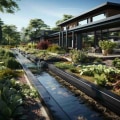
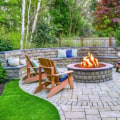
In the realm of landscape renovation, the quest for privacy has become increasingly significant for homeowners seeking to create serene outdoor spaces. As urban environments grow denser and properties are built closer together, the need for a personal retreat within one’s garden has never been more pressing. Privacy in landscaping not only enhances the aesthetic appeal of a property but also contributes to a sense of security and tranquility, allowing individuals to enjoy their outdoor areas without the prying eyes of neighbors or passersby. Integrating privacy into landscape design can transform an ordinary yard into a secluded oasis. This can be achieved through various methods, such as strategically placed trees, shrubs, and hedges that act as natural barriers.
Additionally, features like trellises, pergolas, and privacy screens can provide both functional and decorative elements that enhance the overall look of the garden while serving the essential purpose of seclusion. The benefits of incorporating privacy into your landscape renovation extend beyond mere aesthetics; they foster a more intimate atmosphere for gatherings, relaxation, and personal reflection. Moreover, creating a private landscape can significantly increase the value of your property. Homebuyers often seek homes with well-designed outdoor spaces that offer both beauty and functionality. By prioritizing privacy in your landscape renovation, you not only improve your immediate enjoyment but also make a wise investment in your home’s future appeal.
As we delve deeper into specific strategies for enhancing privacy in your garden, it’s essential to recognize how these elements contribute to a holistic approach to landscape design.
Incorporating Natural Barriers for Enhanced Privacy
When it comes to landscape renovation, incorporating natural barriers is an effective way to enhance privacy while adding beauty to your outdoor space. Utilizing trees, shrubs, and other plants not only creates a secluded atmosphere but also contributes to the overall aesthetic of your landscape.Choosing the Right Trees
Trees are one of the most effective natural barriers for privacy. When selecting trees for landscaping, consider species that grow tall and dense. Some popular options include:- Arborvitae: Known for their fast growth and thick foliage, these evergreen trees can create a solid green wall.
- Leyland Cypress: This tree grows quickly and can reach heights of up to 60 feet, making it ideal for creating a tall privacy screen.
- Eastern Red Cedar: A hardy option that provides year-round coverage and can withstand various weather conditions.
Incorporating Shrubs
Shrubs are another excellent choice for enhancing privacy in your renovated landscape.They can be used alone or in combination with trees to create layered barriers. Consider these shrubs:
- Boxwood: This versatile shrub can be shaped into hedges, providing a formal look while offering privacy.
- Privet: Fast-growing and dense, privet hedges can be easily maintained and trimmed to your desired height.
- Laurel: With its thick leaves, laurel provides excellent coverage and can grow quite tall, making it a great choice for privacy.
By thoughtfully incorporating natural barriers, you can transform your outdoor area into a private oasis that reflects your personal style.
Utilizing Hardscaping Elements to Create Secluded Spaces
When it comes to landscape renovation, incorporating hardscaping elements is an effective way to enhance privacy in your outdoor spaces. These durable structures not only serve functional purposes but also add aesthetic value to your landscape.Fences: A Classic Solution
One of the most traditional methods for creating privacy is through the installation of fences. Available in various materials such as wood, vinyl, and metal, fences can be customized to fit your style and needs. Consider the following options:- Wood Fences: These provide a natural look and can be stained or painted to match your home.
- Vinyl Fences: Low maintenance and available in many styles, vinyl fences are a great long-term investment.
- Metal Fences: For a modern touch, metal fences offer durability and can be designed with decorative elements.
Walls for Added Security
Walls, whether made of stone, brick, or concrete, can create a strong barrier that enhances privacy while also providing sound insulation.They can be particularly effective in urban settings where noise pollution is a concern. Additionally, walls can be integrated with landscaping features like climbing plants or decorative lighting to soften their appearance.
Outdoor Structures: Pergolas and Gazebos
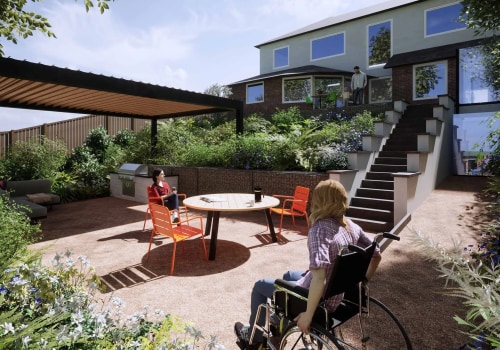
Incorporating outdoor structures such as pergolas and gazebos can also enhance privacy while creating inviting spaces for relaxation. These structures can be adorned with climbing plants or curtains to provide additional seclusion. Here are some benefits:- Pergolas: These provide partial shade and can be used to define outdoor living areas.
- Gazebos: Offering full coverage, gazebos create a cozy retreat that is perfect for gatherings.
Designing Private Outdoor Areas with Layout and Zoning
When it comes to landscape renovation, creating private outdoor areas is essential for enhancing the enjoyment and functionality of your space.A well-thought-out layout can transform your garden into a sanctuary, allowing you to escape the hustle and bustle of daily life.
Landscape layout for privacy
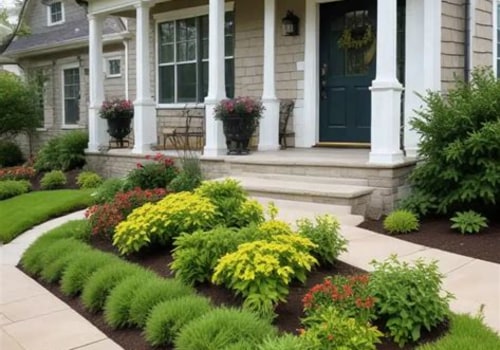
involves strategically placing elements to shield your outdoor areas from prying eyes. Here are some effective strategies:- Use of Planting Beds: Dense planting beds with tall shrubs or trees can act as natural barriers. Consider species that grow quickly and provide year-round coverage.
- Vertical Structures: Incorporate trellises, pergolas, or fences adorned with climbing plants. These structures not only add height but also create a sense of enclosure.
- Layering Plants: Use a mix of heights in your plant selection.
Taller plants at the back and shorter ones in front create depth while enhancing privacy.
- Seating Areas: Designate specific spots for relaxation or dining, using hardscaping materials like stone or wood to define these areas.
- Water Features: Incorporate ponds or fountains that not only serve as focal points but also provide soothing sounds that enhance the feeling of seclusion.
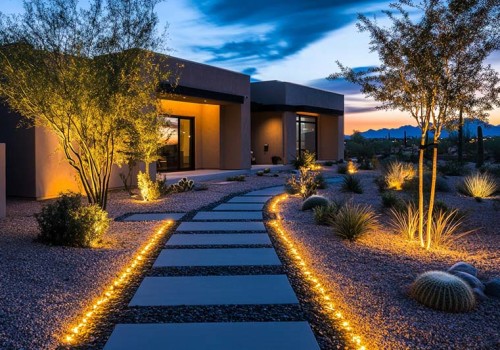
- Pathways: Create winding paths that lead to various zones, encouraging exploration while subtly guiding visitors through your landscape.
Additionally, consider the use of outdoor curtains or screens that can be adjusted based on the time of day or season.By thoughtfully combining layout and zoning techniques, you can create a landscape that not only offers privacy but also enriches your outdoor experience.
Incorporating Water Features for Sound and Visual Privacy
Incorporating water features into your landscape renovation can significantly enhance both sound and visual privacy. These elements not only beautify your outdoor space but also create a serene atmosphere that can shield you from the hustle and bustle of the outside world.Sound Barriers in Landscaping
One of the primary benefits of water features is their ability to act as natural sound barriers. The gentle sound of flowing water can mask unwanted noise from nearby streets or neighbors, providing a tranquil environment. Consider installing:- Fountains: A well-placed fountain can create a soothing soundscape, effectively drowning out disruptive noises.
- Waterfalls: Larger waterfalls not only add visual drama but also produce a more substantial sound that can help block out intrusive sounds.
- Ponds: The stillness of a pond can be complemented with the addition of bubbling features, which can create a pleasant auditory experience.
Visual Privacy Solutions
In addition to sound, water features can enhance visual privacy.Strategically placed water elements can serve as focal points that draw the eye away from less desirable views. Here are some ideas:
- Reflective Surfaces: Ponds and pools with reflective surfaces can create an illusion of depth and distance, making it harder to see into your yard.
- Natural Barriers: Surrounding water features with lush vegetation not only enhances their beauty but also provides additional screening from prying eyes.
- Raised Features: Elevating fountains or waterfalls can create a natural barrier, allowing you to enjoy your outdoor space without feeling exposed.
Using Vertical Gardening Techniques for Privacy Enhancement
In urban environments where space is often at a premium, vertical gardening techniques offer an innovative solution for enhancing privacy while adding aesthetic appeal to your landscape renovation. By utilizing vertical space, homeowners can create lush green walls or trellises that not only serve as natural barriers but also contribute to the overall beauty of the area.Climbing plants
are particularly effective for this purpose.Varieties such as clematis, honeysuckle, and ivy can quickly cover structures, providing a dense layer of foliage that obscures views from neighbors or passersby. These plants are not only visually appealing but also attract beneficial wildlife, enhancing the ecological value of your landscape.Another option is to install a green wall, which consists of a vertical garden system that can be mounted on fences or walls. These systems often include pockets or panels filled with soil, allowing for a variety of plants to thrive in a compact space. A green wall can be designed to include a mix of flowering plants and foliage, creating a vibrant tapestry that enhances privacy while also improving air quality.When planning your vertical garden, consider the following tips:
- Select the right plants: Choose species that are well-suited for your climate and the amount of sunlight available in your space.
- Utilize trellises: Install trellises to support climbing plants, allowing them to grow upward and create a natural screen.
- Layering: Incorporate different heights and textures by layering various plants, which can enhance both privacy and visual interest.
- Maintenance: Regularly maintain your vertical garden by pruning and watering to ensure healthy growth and optimal coverage.
This approach not only enhances your outdoor living area but also fosters a sense of tranquility amidst the hustle and bustle of urban life.
Choosing the Right Plants for Maximum Privacy Effectiveness
When it comes to landscape renovation, choosing the right plants is crucial for creating a private oasis in your outdoor space. Here are some of the best options that not only provide privacy but also enhance the aesthetic appeal of your landscape.Fast-Growing Shrubs
- Arborvitae : This evergreen shrub is known for its rapid growth and dense foliage, making it an excellent choice for privacy screens. Varieties like 'Emerald Green' can grow up to 3 feet per year.
- Privet : A classic choice for hedges, privet can reach heights of 10-15 feet and grows quickly, providing a thick barrier against prying eyes.
- Boxwood : While slower to establish, boxwoods can be shaped into formal hedges and provide year-round privacy with their dense leaves.
Dense Foliage Plants
- Laurel : This plant offers lush, dark green leaves and can grow tall enough to block views effectively. It’s also relatively low-maintenance.
- Holly : With its spiky leaves and bright red berries, holly not only provides privacy but also adds seasonal interest to your landscape.
- Ficus : Particularly the Ficus benjamina, this plant can be used as a hedge or screen and is known for its thick foliage that creates a natural barrier.
Combining tall trees with shorter shrubs can enhance the overall effect while adding depth to your landscape. Always take into account your local climate and soil conditions when selecting plants to ensure they thrive in your renovated landscape.
Maintaining Privacy Features in Your Landscape Renovation
When it comes to landscape renovation, ensuring the longevity of your privacy features is crucial for maintaining a serene outdoor environment. Over time, elements such as plants and hardscaping can require specific care to continue providing the desired level of seclusion.Regular Maintenance of Privacy Plants
Plants are often the backbone of privacy in a landscape. To keep them healthy and effective, consider the following maintenance tips:- Pruning: Regularly prune your shrubs and trees to encourage healthy growth and maintain their shape.
This not only enhances their aesthetic appeal but also ensures they remain dense enough to provide privacy.
- Watering: Ensure that your plants receive adequate water, especially during dry spells. Deep watering encourages root growth, which is essential for stability and health.
- Pest Control: Monitor for pests that can damage your plants. Early detection and treatment can prevent significant loss of foliage, which is vital for maintaining privacy.
Upkeep of Hardscaping Elements
In addition to plants, hardscaping features such as fences, walls, and trellises play a significant role in privacy. Here are some upkeep tips:- Inspect Regularly: Check for any signs of wear or damage.
Look for cracks in walls or loose boards in fences that may need repair.
- Cleaning: Keep hardscaping elements clean from debris and dirt. This not only improves their appearance but also prevents deterioration over time.
- Sealing: For materials like wood or stone, consider applying sealants to protect against weathering and extend their lifespan.
FAQs About Adding Privacy to Landscape Renovations
When considering landscape renovation with a focus on privacy, many homeowners have questions about the best approaches and materials to use. Here are some frequently asked questions that can help guide your decisions:- What are the best plants for creating privacy? Fast-growing trees and shrubs, such as arborvitae, laurel, and bamboo, are excellent choices for enhancing privacy.
They can create a natural barrier that not only blocks sightlines but also adds beauty to your landscape.
- How tall should my privacy plants be? The height of your plants will depend on your specific needs. Generally, a height of 6 to 8 feet is ideal for blocking views from neighboring properties. However, consider the scale of your yard and the surrounding structures when making your selection.
- Can I use hardscaping for privacy? Absolutely! Incorporating elements like fences, walls, or even decorative screens can significantly enhance privacy. Materials such as wood, vinyl, or stone can be used to create a stylish yet functional barrier.
- What role do outdoor structures play in privacy? Structures like pergolas, gazebos, or trellises can provide additional privacy while also serving as focal points in your landscape.
Adding climbing plants to these structures can further enhance their effectiveness.
- How do I maintain privacy landscaping? Regular maintenance is key to keeping your privacy landscaping effective. This includes pruning plants to maintain their shape and height, checking for pests, and ensuring that hardscaping elements remain in good condition.