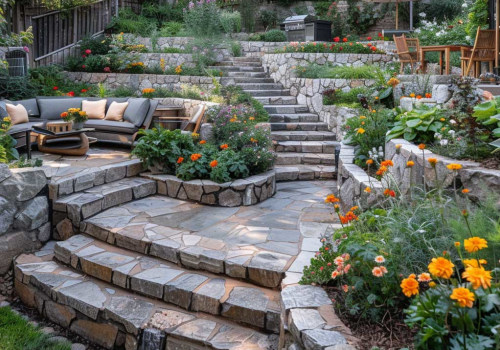
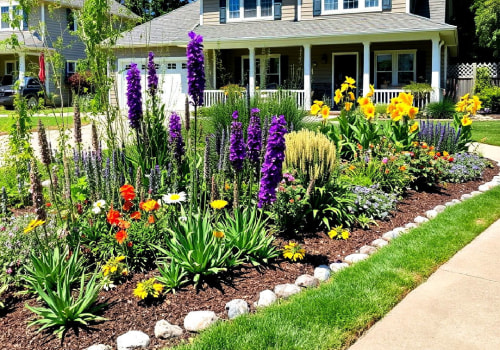
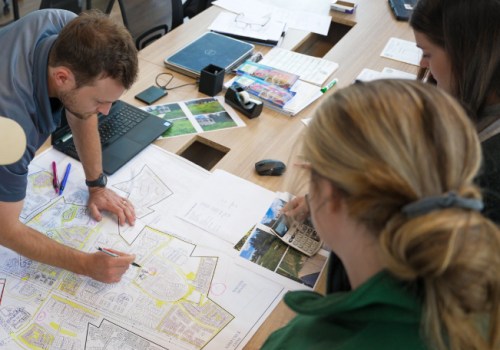
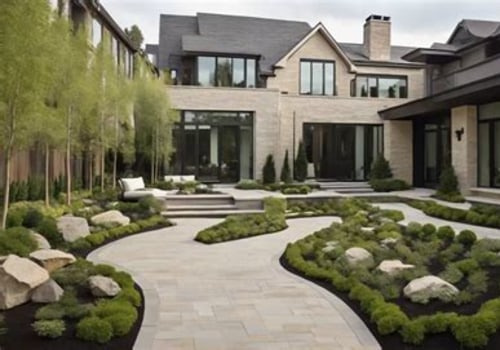
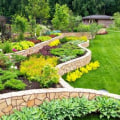
Landscape renovation is more than just a visual upgrade; it is a transformative process that breathes new life into outdoor spaces. This practice involves reimagining and redesigning existing landscapes to enhance their functionality, aesthetics, and ecological health. Whether it’s revitalizing a neglected garden, creating a serene backyard retreat, or improving the curb appeal of a property, landscape renovation plays a crucial role in elevating the overall environment. The importance of landscape renovation cannot be overstated. It not only increases property value but also contributes to the well-being of its inhabitants by providing a harmonious space for relaxation and recreation.
A well-executed renovation can address issues such as poor drainage, invasive plant species, and lack of biodiversity, ultimately leading to a more sustainable ecosystem. Furthermore, it allows homeowners to express their personal style and preferences through thoughtful design choices. As we delve deeper into the world of landscape renovation, we will explore various ways to incorporate art and decor into these revitalized spaces. By blending natural elements with artistic features, one can create an inviting atmosphere that reflects individual tastes while enhancing the beauty of the landscape. This integration not only enriches the visual appeal but also fosters a deeper connection between people and their outdoor environments.
The Role of Art in Landscape Renovation
Incorporating art into your landscape renovation can significantly enhance the visual appeal and emotional resonance of outdoor spaces.Art serves not only as a decorative element but also as a means to express personal style and create a unique atmosphere.
Benefits of Art in Landscaping
The integration of art into landscape design offers numerous benefits:- Aesthetic Enhancement: Art pieces can serve as focal points, drawing the eye and adding layers of interest to the landscape.
- Personal Expression: Incorporating art allows homeowners to showcase their personality and preferences, making the space feel more inviting.
- Emotional Connection: Art can evoke feelings and memories, creating a deeper connection between the space and its users.
- Increased Property Value: Well-placed art can enhance the overall appeal of a property, potentially increasing its market value.
Types of Art for Landscapes
When considering art for your renovated landscape, there are various forms to choose from:- Sculptures: From abstract forms to realistic figures, sculptures can add dimension and intrigue to gardens or patios.
- Murals: Wall murals or painted fences can transform blank surfaces into vibrant canvases that reflect the surrounding nature.
- Water Features: Artistic fountains or ponds not only provide visual interest but also introduce soothing sounds that enhance the ambiance.
- Garden Art: Items like decorative stakes, wind chimes, or hanging ornaments can add whimsical touches throughout the landscape.
Choosing the Right Decor Elements
When it comes to landscape renovation, selecting the right decor elements is crucial for enhancing the overall aesthetic and functionality of your outdoor space. The decor you choose should not only reflect your personal style but also harmonize with the natural surroundings.Consider Your Landscape's Theme
- Modern: If your landscape features clean lines and contemporary materials, opt for sleek, minimalist decor such as geometric sculptures or metal planters.
- Rustic: For a more traditional or country-style landscape, consider using reclaimed wood furniture, vintage garden tools, or stone pathways that blend seamlessly with the environment.
- Tropical: In a lush garden, vibrant colors and textures can be introduced through colorful ceramic pots, hammocks, or tiki torches.
Material Selection
The materials you choose for your decor can significantly impact the durability and visual appeal of your landscape. Here are some popular options:
- Wood: Ideal for creating a warm and inviting atmosphere, wood can be used in benches, trellises, or decorative fencing.
- Metal: Metals like wrought iron or stainless steel add a modern touch and are highly durable against weather elements.
- Stone: Natural stone elements such as sculptures or water features can enhance the organic feel of your garden.
Incorporating Functional Decor
Don't forget that decor can also serve practical purposes.
Consider adding:
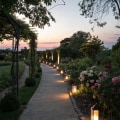
- Lighting: String lights or solar-powered lanterns can create a magical ambiance while providing necessary illumination.
- Seating Areas: Benches or outdoor sofas not only offer comfort but also encourage relaxation and enjoyment of your renovated landscape.
- Planters: Use decorative planters to showcase seasonal flowers or herbs, adding both beauty and functionality to your space.
Incorporating Sculptures and Installations
Incorporating sculptures and installations into your landscape renovation can transform an ordinary garden into a captivating outdoor gallery. These artistic elements not only serve as focal points but also enhance the overall aesthetic of your space. Here are some effective ways to integrate sculptures into your landscape:- Choose the Right Scale: When selecting sculptures, consider the scale of your garden. A large, imposing piece can dominate a spacious area, while smaller sculptures may be better suited for intimate corners.
- Consider Material and Style: The material of the sculpture should complement the surrounding landscape.
For instance, a sleek metal sculpture may work well in a modern garden, while a rustic stone piece might be more appropriate for a traditional setting.
- Create Visual Pathways: Position sculptures along pathways or at key vantage points to guide visitors through your garden. This not only creates interest but also encourages exploration.
- Integrate with Plant Life: Surround sculptures with carefully chosen plants that enhance their beauty. Use contrasting colors or textures to make the sculpture stand out, or opt for harmonious plantings that create a cohesive look.
- Utilize Lighting: Highlight your sculptures with strategic lighting. Uplights can create dramatic shadows at night, while soft spotlights can draw attention to specific pieces during evening gatherings.
These elements not only provide functionality but also contribute to the overall artistic expression of your garden.Ultimately, the key to successfully incorporating sculptures and installations lies in thoughtful placement and selection. By considering the surrounding environment and how each piece interacts with it, you can create a stunning landscape that reflects your personal style and enhances the beauty of nature.
Using Color and Texture in Decor
Incorporating color and texture into your landscape renovation can significantly enhance the overall aesthetic and create a more inviting outdoor space. The right combination of these elements not only beautifies the area but also reflects your personal style and complements the natural surroundings.Color in Landscape Design
- Choose a Color Palette: Start by selecting a cohesive color palette that resonates with the mood you want to create. Consider using colors that harmonize with existing plants and structures.
- Seasonal Variations: Incorporate plants that bloom in different seasons to ensure your landscape remains vibrant year-round.
For instance, spring flowers can add pops of color, while autumn foliage can provide warm tones.
- Accent Features: Use colorful decor items such as garden sculptures, painted pots, or outdoor furniture to draw attention to specific areas of your landscape.
Texture in Outdoor Decor
- Layering Textures: Combine various materials like wood, stone, and metal to create depth. For example, a wooden bench paired with a stone pathway can add visual interest.
- Textured Plants: Incorporate plants with different leaf shapes and sizes. Ferns, succulents, and ornamental grasses can provide a rich tapestry of textures that enhance the landscape.
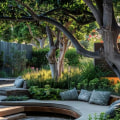
- Soft Furnishings: Add cushions or throws in varied fabrics to outdoor seating areas. This not only introduces texture but also makes the space more comfortable and inviting.
Whether through vibrant plant selections or unique decor pieces, these elements work together to create a cohesive and engaging outdoor experience.
Creating Functional Spaces with Art and Decor
Incorporating art and decor into your landscape renovation can transform functional outdoor spaces into visually appealing environments that serve multiple purposes. By thoughtfully selecting pieces that enhance both aesthetics and usability, you can create areas that invite relaxation, social interaction, and creativity.1.Define Functional Areas
- Seating Areas: Use decorative benches or artistic chairs to create inviting seating arrangements. Consider pieces that are not only comfortable but also serve as focal points in your landscape.
- Pathways: Integrate art into walkways by using decorative stones or tiles that guide visitors through your garden. This not only enhances the visual appeal but also provides a clear direction.
- Dining Spaces: An outdoor dining area can be enhanced with unique table centerpieces or artistic lighting fixtures.
These elements can make meals more enjoyable while adding character to the space.
2.Choose Art That Complements Nature
Select art pieces that harmonize with the natural surroundings. For instance, sculptures made from natural materials like wood or stone can blend seamlessly into the landscape, while vibrant colors can add a pop of interest against greenery.
3.Use Decor to Enhance Functionality
- Planters: Artistic planters not only house plants but also serve as decorative elements. Choose designs that reflect your style while providing adequate drainage and support for plant growth.
- Water Features: Incorporate fountains or ponds that double as art installations. The sound of water can enhance the ambiance while providing a habitat for wildlife.
- Lighting: Use decorative outdoor lighting to highlight art pieces and pathways.
String lights, lanterns, or solar-powered sculptures can create a magical atmosphere during the evening hours.
Sustainable Art and Decor Options
Incorporating art and decor into a landscape renovation can enhance the aesthetic appeal while promoting sustainability. Here are some sustainable art and decor options that align with eco-friendly landscaping practices:- Recycled Materials: Utilize art pieces made from recycled materials, such as sculptures crafted from reclaimed wood or metal. These not only reduce waste but also add a unique character to your garden.
- Natural Elements: Consider using natural elements like stones, driftwood, or bamboo to create decorative features.
These materials blend seamlessly with the landscape and require minimal processing.
- Living Art: Incorporate living art installations, such as vertical gardens or moss walls. These not only serve as stunning focal points but also improve air quality and promote biodiversity.
- Eco-Friendly Paints: If you’re creating your own decor, opt for eco-friendly paints and finishes. These products are free from harmful chemicals, making them safer for the environment.
- Upcycled Furniture: Transform old furniture into garden decor by repainting or repurposing items like chairs and tables. This not only saves resources but also adds a personal touch to your outdoor space.
This not only supports local artists but also fosters a deeper connection between the landscape and its inhabitants.Additionally, integrating eco-friendly decor options, such as solar-powered lights or rainwater collection systems disguised as decorative elements, can enhance functionality while maintaining an attractive appearance. By choosing sustainable options, you contribute to a healthier planet while creating a beautiful and inviting landscape.
Maintaining Art and Decor in Outdoor Spaces
Incorporating art and decor into your landscape renovation can significantly enhance the aesthetic appeal of your outdoor spaces. However, to ensure that these elements remain vibrant and intact over time, proper maintenance is essential. Here are some effective strategies for maintaining outdoor art and decor:- Regular Cleaning: Dust, dirt, and debris can accumulate on outdoor art pieces.
Use a soft cloth or sponge with mild soap and water to gently clean surfaces. For more delicate materials, such as glass or metal, consider using specialized cleaners to avoid damage.
- Seasonal Inspections: Conduct thorough inspections of your outdoor decor at the beginning of each season. Look for signs of wear, rust, or fading. Addressing these issues early can prevent more significant damage later on.
- Protective Coatings: Applying a protective sealant can help preserve the finish of sculptures and other decor items.
Choose a sealant appropriate for the material—such as a UV-resistant spray for painted surfaces—to shield against sun damage.
- Proper Placement: Consider the placement of your art pieces. Avoid areas where they may be exposed to harsh weather conditions or heavy foot traffic. Using raised platforms or protective barriers can help shield them from potential damage.
- Winter Care: In colder climates, it’s crucial to prepare your outdoor decor for winter. Store fragile items indoors and cover larger installations with protective tarps to prevent ice and snow accumulation.
FAQs About Incorporating Art and Decor into Landscapes
Incorporating art and decor into your landscape renovation can elevate the aesthetic appeal of your outdoor space.Here are some frequently asked questions that can help guide your decisions:
- What types of art can I use in my landscape? You can choose from a variety of art forms, including sculptures, murals, garden ornaments, and even functional art like benches or trellises. Consider pieces that resonate with your personal style and complement the natural surroundings.
- How do I choose the right size for outdoor art? Scale is crucial in landscape design. Large sculptures can serve as focal points, while smaller pieces can be used to accentuate specific areas. Always consider the proportions of your garden and the surrounding elements to ensure harmony.
- Can I use indoor art outdoors? While some indoor art may be suitable for outdoor use, it’s essential to select materials that can withstand weather conditions.
Look for UV-resistant and waterproof options to ensure longevity.
- How do I maintain outdoor art installations? Regular maintenance is key to preserving the beauty of your outdoor art. Clean sculptures and decor periodically to remove dirt and debris, and check for any signs of wear or damage that may need repair.
- What are some tips for integrating decor into my garden? Start by identifying key areas in your garden where decor can enhance the space. Use pathways, seating areas, or flower beds as canvases for your artistic expressions. Layering different heights and textures will create visual interest.