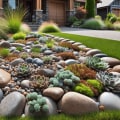
When embarking on a landscape renovation, pet owners must prioritize creating a space that caters to the needs of their furry companions. A pet-friendly landscape is not just a luxury; it is essential for the well-being of pets and their owners alike. By considering the unique requirements of pets during the renovation process, homeowners can foster an environment that promotes safety, comfort, and enjoyment for all family members. The importance of a pet-friendly landscape extends beyond mere aesthetics. It encompasses various factors such as safety, accessibility, and the overall health of pets.
For instance, certain plants can be toxic to animals, while hardscaping materials may pose risks if not chosen carefully. By selecting pet-safe plants and durable materials, pet owners can create a harmonious outdoor space that minimizes hazards and maximizes fun. Moreover, a thoughtfully designed landscape can enhance the quality of life for pets. Features like designated play areas, shaded spots for relaxation, and secure fencing not only keep pets safe but also encourage physical activity and mental stimulation. The benefits of pet-friendly landscaping are manifold; it fosters a deeper bond between pets and their owners while ensuring that pets have a safe haven to explore and enjoy.
Assessing Your Current Landscape
Before embarking on a landscape renovation, it’s crucial to conduct a thorough evaluation of your current landscape.This assessment will help you identify potential hazards and areas that may not be suitable for your pets. Here are some key factors to consider:
- Identify Toxic Plants: Begin by cataloging the plants in your yard. Some common garden plants, such as azaleas, lilies, and sago palms, can be toxic to pets. Research each plant's safety and consider replacing any harmful varieties with pet-friendly alternatives.
- Assess Fencing and Boundaries: Ensure that your yard is securely fenced to prevent pets from escaping.
Check for gaps or weak spots in the fence that could allow a curious pet to wander off. If necessary, reinforce these areas or consider installing a higher fence.
- Evaluate Hardscapes: Look at the hardscaping elements like patios, walkways, and retaining walls. Ensure that surfaces are non-slip and free from sharp edges that could injure your pets. Smooth stones or textured concrete can provide safer footing.
- Check for Hazards: Walk through your landscape and look for potential hazards such as exposed wires, sharp tools, or chemicals stored in the shed.
Make sure these items are secured or removed to create a safer environment for your pets.
- Consider Shade and Shelter: Evaluate whether your landscape provides adequate shade and shelter for your pets. During hot weather, pets need cool areas to rest. Incorporate trees, shrubs, or even pet houses into your design to ensure comfort.
Choosing Pet-Safe Plants and Materials
When planning a landscape renovation that accommodates pets, selecting the right plants and materials is crucial for ensuring their safety.Many common garden plants can be toxic to animals, so it’s essential to choose pet-safe plants that will not pose a risk to your furry friends.
Pet-Safe Plants
- Marigolds: These vibrant flowers are not only beautiful but also safe for pets.
- Spider Plants: Known for their air-purifying qualities, spider plants are non-toxic to dogs and cats.
- Bamboo Palm: This plant adds a tropical feel to your landscape and is safe for pets.
- Boston Fern: A lush addition to any garden, Boston ferns are also pet-friendly.
- Areca Palm: This palm is safe for pets and can thrive indoors or outdoors.
Toxic Plants to Avoid
- Lilies: Highly toxic to cats, even small amounts can cause severe reactions.
- Aloe Vera: While beneficial for humans, it can cause vomiting and diarrhea in pets.
- Sago Palm: Extremely toxic, ingestion can lead to liver failure in dogs and cats.
- Foxglove: This beautiful plant can be deadly if ingested by pets.
- Cedar Mulch: Naturally repels insects and is safe for pets.
- Pine Straw: An organic option that is non-toxic and helps with moisture retention.
- Natural Stone: Ideal for pathways and patios, it poses no risk to pets.
Designing Play Areas for Pets
Creating a pet-friendly landscape involves designing dedicated play areas that cater to the needs of your furry friends. These spaces not only provide a safe environment for pets to exercise and socialize but also enhance the overall aesthetic of your yard.1.Designated Play Zones
- Establish clear boundaries for play areas using natural elements like hedges or decorative fencing.
This helps pets understand where they can roam freely.
- Incorporate soft, durable surfaces such as artificial turf or rubber mulch to minimize injuries during playtime.
2.Agility Courses
- Consider adding an agility course with tunnels, jumps, and weave poles. These features not only provide physical exercise but also stimulate your pet's mind.
- Ensure that all equipment is made from safe, non-toxic materials and is appropriately sized for your pet's breed.
3.Safe Relaxation Areas
- Create shaded zones with comfortable bedding or pet-friendly furniture where pets can relax after playtime. This encourages them to spend more time outdoors.
- Incorporate water features like small ponds or fountains, ensuring they are shallow enough for pets to enjoy without risk.
4.Interactive Elements
- Add features like digging pits filled with sand or soil, which can provide hours of entertainment for dogs who love to dig.
- Install climbing structures or ramps for cats and small dogs, allowing them to explore their surroundings from different heights.
Incorporating Safety Features in Your Landscape Renovation
When planning a landscape renovation that accommodates pets, incorporating safety features is essential to create a secure and enjoyable environment.Here are some key elements to consider:
- Secure Fencing: A robust fence is crucial for keeping pets safe within the yard. Opt for materials that are durable and tall enough to prevent jumping or digging. Consider using vinyl or wood fencing, which can provide both security and aesthetic appeal. Ensure that there are no gaps or weak points where pets could escape.
- Non-Slip Surfaces: Pets can easily slip on wet or uneven surfaces, leading to injuries.
Incorporate non-slip materials for pathways and patios, such as textured concrete or rubber pavers. These surfaces not only enhance safety but also provide comfort for your furry friends.
- Safe Plant Choices: When selecting plants for your landscape, be mindful of their toxicity to pets. Avoid common hazardous plants like oleander, sago palm, and azaleas. Instead, choose pet-friendly options such as marigolds, bamboo, and petunias.
- Designated Play Areas: Create specific zones within your landscape where pets can play freely.
Use soft grass or artificial turf in these areas to minimize the risk of injury. Adding features like agility equipment can also provide mental stimulation and exercise.
Water Features and Their Impact on Pets
Incorporating water features into your landscape renovation can create a serene environment for both you and your pets. However, it’s essential to consider how these elements can be designed to ensure safety and enjoyment for your furry friends.Pet-Friendly Water Features
- Shallow Ponds: Opt for shallow ponds that allow pets to wade in without the risk of drowning.
A depth of 12 to 18 inches is generally safe for most dogs.
- Natural Edges: Design ponds with natural edges using rocks or plants to create a gradual slope. This makes it easier for pets to enter and exit the water.
- Non-Toxic Plants: Surround your water features with non-toxic plants. Avoid species that are harmful to pets, such as certain lilies or azaleas.
Safe Ponds for Pets
- Water Quality: Regularly check the water quality to prevent algae growth and ensure it’s safe for pets to drink. Consider using a filtration system to maintain cleanliness.
- Fencing: If you have a deeper pond, consider installing a fence around it.
This will help keep curious pets at a safe distance while still allowing them to enjoy the beauty of the landscape.
- Shade Areas: Provide shaded areas near water features where pets can cool off without being in direct sunlight, reducing the risk of overheating.
Landscaping with Water Elements
When planning your landscape renovation, think about integrating water elements like fountains or small streams. These features not only enhance the aesthetic appeal but also provide auditory stimulation for pets. Ensure that any moving water is gentle enough for pets to approach safely.By thoughtfully incorporating water features, you can create a landscape that is not only visually appealing but also a safe haven for your pets, allowing them to enjoy the outdoors while keeping their well-being in mind.
Maintaining a Pet-Friendly Landscape
After completing your landscape renovation, maintaining a pet-friendly environment is crucial for the safety and happiness of your furry friends. Here are some essential tips to ensure your yard remains a safe haven for dogs and cats.Regular Inspections
Conduct regular inspections of your landscape to identify any potential hazards.Look for:
- Sharp objects: Check for broken glass, sharp stones, or metal pieces that could injure your pets.
- Poisonous plants: Ensure that no toxic plants are present in your garden. Common plants like lilies, azaleas, and sago palms can be harmful to pets.
- Fencing integrity: Regularly inspect fences and gates to prevent escapes. Ensure there are no gaps or weak spots where pets could dig or squeeze through.
Safe Materials
When renovating, choose pet-safe materials for pathways and surfaces. Avoid using:- Chemicals: Pesticides and herbicides can be harmful.
Opt for organic alternatives that are safe for pets.
- Non-slip surfaces: Ensure that walkways are made from materials that provide good traction to prevent slips and falls.
Ongoing Care Tips
To keep your landscape thriving and pet-friendly:- Regular cleaning: Keep the yard clean by picking up pet waste promptly to prevent health issues.
- Water sources: Ensure fresh water is always available, especially during hot weather. Consider adding a pet-friendly water feature.
- Shade and shelter: Provide shaded areas where pets can escape the heat, as well as sheltered spots for inclement weather.
FAQs About Pet-Friendly Landscape Renovation
When considering landscape renovation for a pet-friendly environment, many homeowners have questions. Here are some of the most frequently asked questions:- What types of plants are safe for pets? It's essential to choose non-toxic plants. Some pet-friendly options include marigolds, sunflowers, and petunias.
Always research any plant before introducing it to your landscape.
- How can I create a safe play area for my pets? Designate a specific area in your yard with soft grass or pet-friendly turf. Consider adding features like obstacle courses or digging zones to keep your pets engaged.
- Are there landscaping materials that are harmful to pets? Yes, certain materials like cocoa mulch can be toxic to dogs. Opt for safer alternatives such as cedar mulch or gravel.
- How can I prevent my pets from escaping the yard? Ensure that fences are tall enough and buried deep enough to prevent digging. Adding plants along the fence line can also deter pets from trying to escape.
- What maintenance is required for a pet-friendly landscape? Regular maintenance is crucial.
This includes keeping the area clean of waste, trimming plants to prevent overgrowth, and ensuring that any chemicals used in the yard are pet-safe.
Conclusion: Creating a Safe Haven for Your Pets Through Landscape Renovation
In conclusion, landscape renovation is not just about aesthetics; it plays a crucial role in ensuring a safe and enjoyable environment for your pets. By implementing the strategies discussed, you can create a harmonious outdoor space that caters to both your landscaping desires and your furry friends' needs. First and foremost, consider the selection of pet-friendly plants. Avoid toxic varieties and opt for non-toxic alternatives that can withstand playful paws and curious noses. Additionally, incorporating natural barriers such as low fences or hedges can help keep your pets safe while allowing them to explore their surroundings. Furthermore, the layout of your landscape should prioritize open spaces for play and exercise.Designate areas where your pets can run freely without the risk of encountering harmful elements. This could include a dedicated play zone with soft grass or mulch that cushions their landings. Another essential aspect is ensuring that your landscape is free from hazards. Regularly check for sharp objects, toxic chemicals, or any other potential dangers that could harm your pets. Implementing safe pathways made from pet-friendly materials will also enhance their experience while navigating through your garden. Finally, consider adding features that enrich your pets' outdoor experience, such as water stations, shaded areas, and even agility equipment.
These elements not only provide comfort but also stimulate their physical and mental well-being. By thoughtfully planning your landscape renovation with these considerations in mind, you can create a safe haven for your pets that enhances their quality of life while beautifying your home. Remember, a well-designed landscape is one where both humans and pets can thrive together.