Landscape renovation is more than just a simple makeover of your outdoor space; it is a transformative process that enhances the aesthetic and functional aspects of your property. This practice involves reimagining existing landscapes to create a harmonious environment that reflects both personal style and ecological considerations. As urban areas expand and environmental challenges arise, the importance of landscape renovation becomes increasingly evident. It not only revitalizes neglected spaces but also contributes to sustainability by promoting biodiversity and reducing resource consumption. A cohesive design in landscape renovation is crucial for achieving a unified look that resonates with the surrounding architecture and natural elements.
When elements such as plants, hardscapes, and water features are thoughtfully integrated, they create a seamless flow that enhances the overall experience of the space. This approach not only elevates the visual appeal but also ensures that each component serves a purpose, whether it be for relaxation, entertainment, or environmental benefits. Understanding the significance of landscape renovation allows homeowners and designers alike to appreciate the potential of their outdoor spaces. By focusing on cohesive design principles, one can transform an ordinary yard into an extraordinary landscape that not only meets aesthetic desires but also supports ecological health. As we delve deeper into this topic, we will explore various strategies to achieve a cohesive design in your renovated landscape, ensuring that every element works in harmony to create a stunning outdoor sanctuary.
Assessing Your Current Landscape
Before embarking on a landscape renovation, it is essential to conduct a thorough evaluation of your current landscape.This assessment will help you identify both the strengths and weaknesses of your existing outdoor space, allowing for a more informed and cohesive design.
1.Identify Key Features
- Take note of any existing plants, trees, or structures that you want to keep. These elements can serve as focal points in your new design.
- Evaluate the condition of hardscaping features such as patios, walkways, and retaining walls. Are they in good shape, or do they need repairs?
2.Assess Plant Health
- Examine the health of your plants. Are there any diseased or dead plants that need removal?
- Consider the growth patterns and seasonal changes of your plants.
This will help you understand how they contribute to the overall aesthetic throughout the year.
3.Evaluate Functionality
- Think about how you currently use your outdoor space. Is it functional for entertaining, gardening, or relaxation?
- Identify areas that may be underutilized or overcrowded, which can inform your renovation decisions.
4.Consider Environmental Factors
- Assess sunlight exposure and drainage issues in different areas of your landscape. These factors will influence plant selection and placement.
- Take note of any wildlife interactions, such as birds or insects, that may affect your landscape choices.
Defining Your Design Goals
Creating a cohesive design in a renovated landscape begins with defining your design goals.Establishing clear objectives not only aligns with your personal preferences but also addresses the functional needs of the space. Here are some steps to help you set effective design goals:
- Assess Your Needs: Consider how you plan to use the space. Will it be for entertaining, gardening, or simply enjoying nature? Understanding your primary use will guide your design choices.
- Identify Your Style: Reflect on your aesthetic preferences. Do you lean towards modern minimalism, rustic charm, or tropical vibrancy? Defining your style will help create a unified look throughout the landscape.
- Consider the Environment: Take into account the existing conditions of your landscape, such as sunlight, soil type, and climate.
Your goals should harmonize with these elements to ensure sustainability and longevity.
- Set a Budget: Determine how much you are willing to invest in your landscape renovation. A clear budget will help prioritize features and materials that align with your vision.
- Visualize Your Space: Create mood boards or sketches that represent your ideas. Visual aids can clarify your vision and serve as a reference throughout the renovation process.
Remember, a well-defined vision is the cornerstone of successful landscape renovation.
Choosing a Design Style
When embarking on a landscape renovation, one of the most crucial steps is selecting a design style that aligns with your vision and the existing environment. The right style not only enhances the aesthetic appeal but also ensures a cohesive look throughout the space.Popular Landscape Design Styles
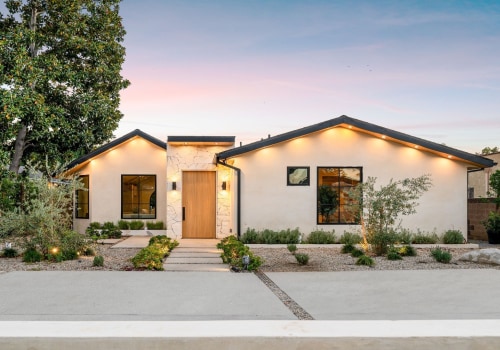
- Modern: Characterized by clean lines, minimalism, and a focus on functionality, modern landscapes often incorporate materials like concrete and metal. This style is perfect for those looking to create a sleek, contemporary outdoor space.
- Traditional: This style embraces classic elements such as symmetrical layouts, formal gardens, and a variety of plant species. Traditional landscapes often feature pathways, hedges, and ornamental plants that evoke a sense of timelessness.
- Xeriscape: Ideal for arid regions, xeriscaping focuses on water conservation through drought-resistant plants and efficient irrigation systems.
This style promotes sustainability while still offering beauty and variety.
- Cottage: A more relaxed and informal approach, cottage gardens are filled with colorful flowers, herbs, and vegetables. This style encourages a sense of abundance and is perfect for those who enjoy a whimsical touch in their landscape.
Choosing the Right Design Style
To choose the best design style for your landscape renovation, consider the following factors:- Assess Your Space: Take note of the existing features in your landscape, such as trees, slopes, and structures. Your chosen style should complement these elements rather than clash with them.
- Consider Your Lifestyle: Think about how you plan to use your outdoor space. If you entertain frequently, a modern or traditional design may suit your needs better than a cottage style.
- Match with Architecture: Ensure that your landscape design harmonizes with your home’s architectural style.
A modern home pairs well with sleek landscaping, while a historic home may benefit from traditional elements.
- Sustainability Goals: If environmental impact is important to you, consider styles like xeriscaping that prioritize native plants and water conservation.
Incorporating Color and Texture
Creating a cohesive design in a renovated landscape hinges significantly on the color and texture of the elements you choose. A well-thought-out landscape color scheme can transform an ordinary space into a harmonious retreat. To achieve this, consider the following tips:- Select a Cohesive Color Palette: Start by choosing a color palette that reflects your personal style while complementing the existing architecture. Aim for three to five colors that work well together.
For instance, if your home features warm tones, opt for plants with similar hues, such as golden yellows and rich reds.
- Utilize Seasonal Colors: Incorporate plants that offer seasonal interest. For example, spring blooms can provide vibrant colors, while autumn foliage can introduce warm tones. This approach ensures that your landscape remains visually appealing throughout the year.
- Consider Focal Points: Use bold colors strategically to create focal points within your landscape. Brightly colored flowers or unique garden ornaments can draw the eye and enhance the overall design.
Different textures can add depth and interest to your outdoor space. Here are some ways to incorporate texture:
- Mix Plant Textures: Combine plants with varying leaf shapes and sizes. For example, pairing feathery ferns with broad-leaved hostas creates a dynamic visual contrast.
- Incorporate Hardscaping Materials: Use materials like stone, wood, or metal to add texture to pathways, walls, and other structures. A rough stone path can complement smooth, rounded pebbles in garden beds.
- Add Layers: Create layers in your landscape by varying plant heights and densities.
Taller plants at the back and shorter ones in front can create a sense of depth while enhancing texture.
Creating Focal Points and Flow
Creating a cohesive design in a renovated landscape involves establishing focal points and ensuring a natural flow throughout the space. These elements not only enhance visual interest but also guide the viewer's eye, making the landscape more inviting and harmonious.Establishing Focal Points
Focal points serve as anchors within your landscape, drawing attention and providing a sense of purpose. Here are some effective ways to create focal points:- Use Unique Plantings: Incorporate striking plants or trees that stand out due to their color, size, or texture. For example, a vibrant flowering tree can serve as a stunning centerpiece.
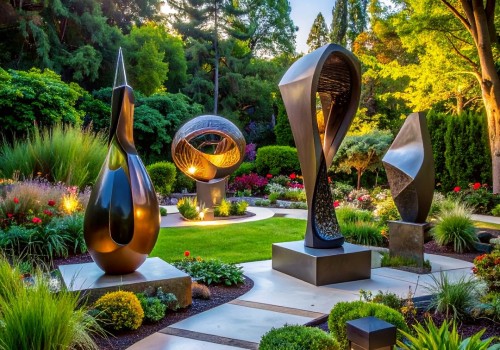
- Incorporate Hardscaping Elements: Features such as sculptures, water features, or decorative boulders can act as focal points.
These elements add structure and interest to the landscape.
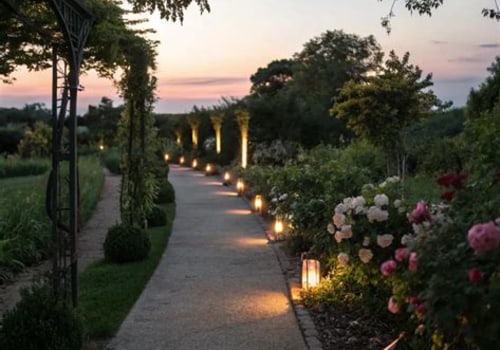
- Create Vistas: Design pathways or sightlines that lead to specific focal points. This not only enhances the visual journey but also encourages exploration of the space.
Ensuring Flow in Landscaping
A well-designed landscape should have a natural flow that connects different areas seamlessly. Here are some tips to achieve this:- Utilize Pathways: Create clear pathways that guide visitors through the landscape. Use materials that complement your overall design, such as stone, gravel, or pavers.
- Layer Plantings: Arrange plants in layers, with taller plants at the back and shorter ones in front.
This not only creates depth but also allows for easy movement through the space.
- Maintain Consistent Themes: Use similar colors, textures, and materials throughout your landscape to create a unified look. This consistency helps tie different elements together.
Sustainable Practices in Landscape Renovation
Incorporating sustainable practices into your landscape renovation not only enhances the aesthetic appeal of your outdoor space but also promotes environmental health. By focusing on eco-friendly methods, you can create a cohesive design that harmonizes with nature.One effective approach is to utilize native plants. These species are adapted to the local climate and soil conditions, requiring less water and maintenance compared to non-native varieties.By selecting native plants, you can create a landscape that thrives naturally, supports local wildlife, and reduces the need for chemical fertilizers and pesticides.Another key practice is implementing xeriscaping, which involves designing landscapes that require minimal irrigation. This method not only conserves water but also encourages the use of drought-resistant plants, further enhancing the sustainability of your renovation.
- Soil Health: Prioritize soil health by using organic compost and mulching techniques. This improves soil structure and fertility, promoting robust plant growth.
- Rain Gardens: Consider installing rain gardens to manage stormwater runoff. These gardens can filter pollutants and recharge groundwater while adding beauty to your landscape.
- Permeable Paving: Use permeable materials for walkways and driveways to allow water to infiltrate the ground, reducing erosion and runoff.
By choosing materials like reclaimed wood or recycled stone, you not only support sustainability but also add unique character to your landscape.Ultimately, a cohesive design in sustainable landscape renovation is achieved by thoughtfully selecting plants and materials that work in harmony with the environment. This approach not only beautifies your space but also contributes positively to the ecosystem.
Maintenance for Long-Term Cohesion
To ensure that your landscape renovation maintains its cohesive design over time, regular maintenance is crucial. A well-maintained landscape not only looks appealing but also preserves the integrity of the design elements you have carefully chosen.Regular Inspections
Conducting regular inspections of your landscape is essential. Look for signs of wear and tear, such as:- Plant health: Check for diseases, pests, or nutrient deficiencies.
- Hardscape integrity: Inspect pathways, walls, and other structures for cracks or damage.
- Drainage issues: Ensure that water flows properly and does not pool in unwanted areas.
Consistent Plant Care
Maintaining a cohesive design involves consistent care for your plants.Here are some tips:
- Pruning: Regularly prune plants to maintain their shape and encourage healthy growth.
- Mulching: Apply mulch to retain moisture and suppress weeds, which can disrupt the visual flow of your landscape.
- Fertilization: Use appropriate fertilizers to ensure that plants receive the nutrients they need to thrive.
Seasonal Adjustments
Your landscape will change with the seasons, so it’s important to make adjustments accordingly. Consider:- Seasonal planting: Introduce seasonal flowers or plants that complement your existing design.
- Color coordination: Choose plants that bloom at different times to maintain color throughout the year.
Irrigation Management
A well-planned irrigation system is vital for maintaining a cohesive landscape. Ensure that:- Irrigation systems are efficient: Regularly check for leaks or blockages.
- Watering schedules are consistent: Adjust based on seasonal needs to prevent over- or under-watering.
FAQs About Landscape Renovation Design Cohesion
When embarking on a landscape renovation, many homeowners have questions about how to achieve a cohesive design.Here are some frequently asked questions that can help clarify common concerns:
What is design cohesion in landscaping?
Design cohesion refers to the harmonious integration of various elements within a landscape. This includes the selection of plants, materials, colors, and structures that work together to create a unified aesthetic. A cohesive design ensures that all components complement each other rather than clash.How can I choose plants that enhance design cohesion?
- Select a color palette: Choose plants that share similar colors or shades to create visual harmony.
- Consider plant textures: Mixing different textures can add depth while maintaining a cohesive look.
- Group plants by height: Arrange taller plants at the back and shorter ones in front to create layers without disrupting the overall design.
What role do hardscaping elements play in design cohesion?
Hardscaping elements such as patios, walkways, and walls are crucial for establishing a cohesive landscape. They provide structure and can be designed using similar materials or colors to tie the entire space together.For example, using the same stone for both a patio and garden edging can enhance visual continuity.