In today’s fast-paced world, the need for privacy in our outdoor spaces has become increasingly important. As homeowners seek to create serene environments that allow for relaxation and personal reflection, landscape renovation emerges as a powerful tool to enhance privacy. By thoughtfully designing landscapes, individuals can transform their yards into secluded retreats that shield them from the prying eyes of neighbors and passersby. The benefits of incorporating privacy into landscape design extend beyond mere seclusion. A well-planned landscape not only provides a sense of security but also enhances the overall aesthetic appeal of a property.
Elements such as trees, shrubs, and decorative fences can be strategically placed to create natural barriers that define spaces and foster a sense of intimacy. This thoughtful approach to design can significantly improve outdoor living experiences, making them more enjoyable and inviting. Moreover, privacy in landscaping contributes to mental well-being. A private outdoor space allows individuals to unwind without distractions, promoting relaxation and reducing stress. Whether it’s enjoying a quiet morning coffee or hosting a gathering with friends, having a secluded area can elevate these experiences.
As we delve deeper into the various methods of achieving privacy through landscape renovation, it becomes clear that this aspect of design is not just an aesthetic choice but a vital component of creating functional and enjoyable outdoor spaces.
Choosing the Right Plants for Privacy
When it comes to landscape renovation aimed at enhancing privacy, selecting the right plants is crucial. The ideal plants not only provide a visual barrier but also contribute to the overall aesthetic of your outdoor space. Here are some excellent options to consider:- Trees: Tall trees can create a natural canopy that blocks sightlines from neighboring properties. Consider species like Arborvitae, which grow densely and can reach heights of 10 to 15 feet, or Eastern Red Cedar, known for its evergreen foliage and ability to thrive in various soil types.
- Shrubs: Shrubs are versatile and can be used in various configurations to create privacy.
Boxwood is a popular choice due to its dense growth and ability to be shaped into hedges. Another great option is Privet, which grows quickly and can be easily maintained at your desired height.
- Hedges: A well-maintained hedge can serve as an effective privacy screen. Consider planting a mix of Laurel and Holly, which not only provide year-round coverage but also add texture and color to your landscape.
Additionally, think about the aesthetic appeal; combining different species can create a more natural look while enhancing privacy. Incorporating these plants into your landscape renovation project will not only improve your outdoor privacy but also enhance the beauty of your property. Be sure to assess your specific space, climate, and soil conditions to select the best plants for your needs.
Creating Outdoor Rooms for Enhanced Privacy
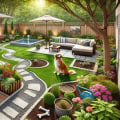
Creating outdoor rooms is an effective way to enhance privacy in your landscape renovation. These spaces can serve as tranquil retreats, allowing you to enjoy nature without the prying eyes of neighbors. Here are some ideas to consider when designing your private outdoor spaces.- Strategic Layout: Position your outdoor room away from sightlines of neighboring properties.
Use the natural topography of your yard to create a secluded area that feels intimate and inviting.
- Vertical Elements: Incorporate tall plants, trellises, or privacy screens to block views. Consider using climbing vines on trellises or fences to add greenery while enhancing seclusion.
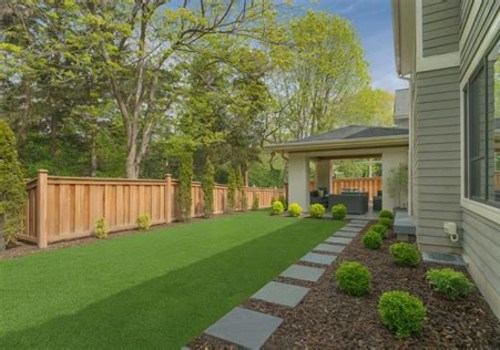
- Defined Boundaries: Use hardscaping elements like stone walls or wooden fences to create clear boundaries for your outdoor room. This not only adds privacy but also gives a sense of enclosure.
- Layered Landscaping: Plant layers of shrubs and trees around the perimeter of your outdoor room. Choose dense, evergreen varieties that provide year-round coverage and act as a natural sound barrier.
- Furniture Arrangement: Arrange seating and tables in a way that promotes conversation and comfort while maintaining a sense of privacy.
Use sectional sofas or strategically placed chairs to create cozy nooks.
Utilizing Water Features for Sound and Visual Barriers
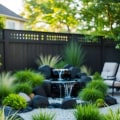
Incorporating water features into your landscape renovation can significantly enhance both privacy and tranquility in your outdoor space. Features such as ponds, fountains, and waterfalls not only serve as stunning focal points but also act as effective sound barriers and visual barriers.Sound Barriers in Landscaping
- The gentle sound of flowing water can mask unwanted noise from nearby roads or neighbors, creating a serene atmosphere.
- Water features can be strategically placed to absorb and deflect sound waves, making them an excellent choice for urban settings.
- Fountains, in particular, can produce a consistent sound that drowns out disruptive noises, allowing you to enjoy your outdoor space in peace.
Visual Barriers with Water Features
- Ponds and larger water bodies can act as natural dividers between your property and adjacent spaces, providing a sense of seclusion.
- Incorporating aquatic plants around the edges of a pond not only enhances its beauty but also adds an extra layer of privacy by obstructing views.
- Fountains can be designed with surrounding landscaping that creates a lush backdrop, further enhancing the feeling of enclosure.
When planning your landscape renovation, consider how these elements can be integrated into your design to maximize both privacy and enjoyment.
The Role of Lighting in Creating Private Spaces
When considering landscape renovation, the role of lighting cannot be overlooked, especially when it comes to enhancing privacy in outdoor spaces. Strategic placement and design of outdoor lighting can create a sense of seclusion while also ensuring safety and functionality.Types of Lighting for Privacy
- Pathway Lights: Installing pathway lights along walkways not only illuminates the area but also directs attention away from private spaces, creating a more intimate atmosphere.
- Spotlights: Use spotlights to highlight specific features like trees or garden sculptures. This draws the eye away from less desirable views and enhances the overall aesthetic.
- Wall Sconces: If you have walls or fences, consider adding wall sconces. These fixtures can provide soft lighting that creates a cozy environment while maintaining privacy.
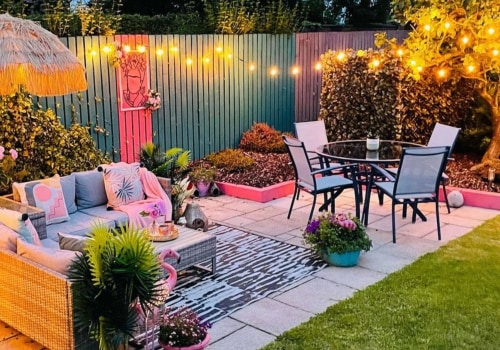
- String Lights: For a more casual feel, string lights can be draped over patios or pergolas.
They add warmth and charm while subtly defining your outdoor space.
Placement Strategies
- Layered Lighting: Combining different types of lighting at various heights can create depth and interest. Layering lights helps to obscure sightlines into your yard, enhancing privacy.
- Avoid Direct Glare: Position lights so they illuminate areas without causing glare. This not only improves comfort but also prevents unwanted attention from neighbors or passersby.
- Focus on Boundaries: Directing light towards fences or hedges can create a barrier effect, making your outdoor space feel more secluded.
Maintenance Tips for Long-Lasting Privacy Solutions
To ensure that your privacy solutions remain effective over time, regular landscape maintenance is essential.Here are some practical tips to help you maintain both your plants and hardscaping elements:
Maintaining Privacy Plants
- Regular Pruning: Keep your privacy plants well-trimmed to promote healthy growth and maintain their shape. This not only enhances their appearance but also ensures they provide optimal coverage.
- Watering Schedule: Establish a consistent watering routine, especially during dry spells. Deep watering encourages root growth, which is crucial for the longevity of your plants.
- Fertilization: Use organic fertilizers to nourish your plants. A balanced fertilizer can enhance growth and resilience, making them more effective as privacy barriers.
- Pest Control: Regularly inspect your plants for signs of pests or diseases.
Early detection and treatment can prevent damage that may compromise their ability to provide privacy.
Upkeep of Hardscaping Elements
- Regular Cleaning: Keep hardscaping features like fences, walls, and patios clean from debris and dirt. This not only maintains their aesthetic appeal but also prevents deterioration.
- Inspect for Damage: Periodically check for cracks or wear in hardscaping materials. Timely repairs can prevent further damage and ensure that these elements continue to serve their purpose effectively.
- Sealants: Apply sealants to stone or wooden structures to protect them from weathering and moisture damage. This can significantly extend their lifespan and maintain their functionality as privacy barriers.
FAQs About Landscape Renovation for Privacy
When considering landscape renovation for enhanced privacy, many homeowners have questions about the best approaches and materials to use.Here are some frequently asked questions that can guide your project:
What are effective plants for creating privacy?
Choosing the right plants is crucial for achieving privacy in your landscape. Some popular options include:- Evergreen trees: Varieties like Leyland cypress or arborvitae grow tall and dense, providing year-round coverage.
- Hedges: Boxwood or privet can be trimmed to maintain a specific height and shape, making them ideal for structured privacy.
- Climbing plants: Vines such as jasmine or clematis can be trained to grow on trellises or fences, adding vertical privacy.
How can hardscaping contribute to privacy?
Incorporating hardscaping elements can significantly enhance your landscape's privacy. Consider these options:- Fences: A solid wood or vinyl fence can create a strong barrier against prying eyes.
- Walls: Stone or brick walls not only provide privacy but also add aesthetic value to your yard.
- Retaining walls: These can be used to create elevation changes that block views from neighboring properties.
What are some tips for planning a private landscaping project?
To ensure your landscape renovation effectively enhances privacy, keep these tips in mind:- Assess your space: Identify areas where you need more privacy and consider the views you want to block.
- Layer your plantings: Use a mix of heights and types of plants to create a natural barrier that feels lush and inviting.
- Consider seasonal changes: Choose plants that maintain their foliage throughout the year to ensure consistent privacy.
Conclusion: Crafting Your Private Oasis Through Landscape Renovation
In conclusion, landscape renovation offers a multitude of opportunities to enhance your outdoor space while ensuring your privacy. By thoughtfully integrating elements such as plantings, hardscaping, and water features, you can create a serene environment that shields you from the outside world. One of the most effective strategies is to utilize tall shrubs and trees.These natural barriers not only provide visual privacy but also contribute to the overall aesthetic of your landscape. Consider native species that thrive in your region, as they require less maintenance and are more resilient. In addition to greenery, incorporating fences or walls can significantly enhance your privacy. Choose materials that complement your home’s architecture while ensuring they are tall enough to block unwanted views. Decorative options, such as lattice panels or trellises adorned with climbing plants, can add both style and seclusion.Water features , like fountains or ponds, can also serve a dual purpose.
They not only create a tranquil atmosphere but can also act as sound barriers, muffling noise from nearby streets or neighbors. The soothing sound of flowing water can transform your space into a peaceful retreat. Finally, consider the layout of your outdoor furniture and pathways. Strategically placing seating areas away from sightlines can enhance your sense of privacy while still allowing you to enjoy your landscape. Use decorative screens or planters to create intimate spaces within your yard. Ultimately, the key to successful landscape renovation lies in a thoughtful approach that prioritizes both aesthetics and functionality.
By implementing these strategies, you can craft a private oasis that reflects your personal style and provides a sanctuary from the outside world.