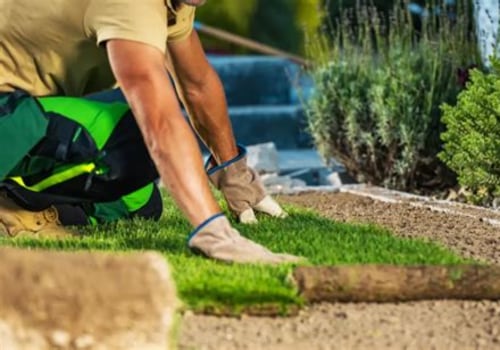
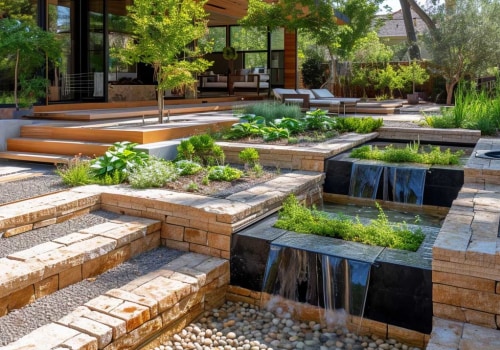
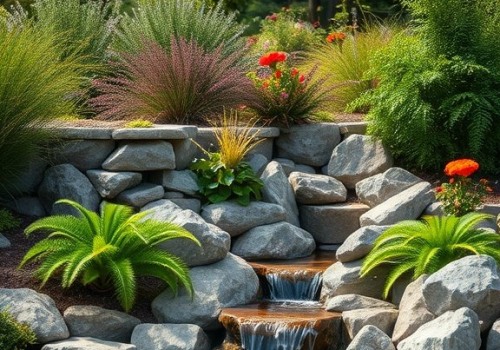
When embarking on a landscape renovation project, the first step is to clearly define your goals. Understanding what you want to achieve not only helps you articulate your vision but also sets the stage for effective communication with your contractor. Whether you aim to create a serene outdoor retreat, enhance curb appeal, or establish a functional space for entertaining, having a well-defined objective is crucial. This clarity will guide every decision made throughout the renovation process. Consider your design preferences as you outline your goals.
Do you envision a modern aesthetic with clean lines and minimalistic features, or are you drawn to a more traditional garden filled with vibrant flowers and lush greenery? By identifying your style, you can provide your contractor with a clear direction, ensuring that the final outcome aligns with your expectations. Additionally, think about practical aspects such as maintenance requirements and how the renovated space will fit into your lifestyle. Moreover, discussing your project objectives early on can help prevent misunderstandings later in the process. Are you looking to increase property value, create a sustainable environment, or simply enjoy a more beautiful outdoor space? Each of these objectives may influence design choices and material selections. By openly communicating these goals with your contractor from the outset, you lay the groundwork for a successful collaboration that brings your landscape vision to life.
Budgeting for Your Landscape Renovation
When embarking on a landscape renovation project, clear communication about your budget is essential to ensure that both you and your contractor are on the same page.Start by determining your overall landscape renovation budget. This includes not only the costs of materials and labor but also any additional expenses such as permits, design fees, and potential unforeseen costs.Once you have a rough estimate of your budget, it’s crucial to communicate this figure to your contractor. Be transparent about your financial constraints and expectations. This will help them tailor their recommendations and designs to fit within your budgetary limits.
Discussing Cost Estimation
During initial discussions, ask your contractor for a detailed cost estimation.This should include:
- Material Costs: The price of plants, soil, hardscaping materials, and any other necessary supplies.
- Labor Costs: The estimated hours of work required and the hourly rate or total labor cost.
- Design Fees: If applicable, the cost associated with hiring a landscape designer.
- Contingency Fund: A recommended percentage of the total budget set aside for unexpected expenses.
Choosing the Right Materials and Plants
When embarking on a landscape renovation project, one of the most crucial discussions you will have with your contractor revolves around the selection of materials and plants.This conversation not only impacts the aesthetic appeal of your outdoor space but also its sustainability and maintenance requirements.
Choosing Landscape Materials
- Durability: Discuss the longevity of various materials such as stone, wood, and composite options. Consider how they will withstand local weather conditions.
- Maintenance: Some materials require more upkeep than others. Clarify what level of maintenance you are willing to commit to over time.
- Aesthetics: Ensure that the materials align with your vision for the space. Share any inspiration images or ideas you have to help your contractor understand your style.
- Sustainability: Inquire about eco-friendly options, such as recycled materials or sustainably sourced wood, which can enhance the environmental impact of your renovation.
Selecting Plants Wisely
- Climate Compatibility: Discuss plants that thrive in your local climate.
Native plants often require less water and maintenance, making them a sustainable choice.
- Seasonal Interest: Consider plants that offer year-round appeal. A mix of perennials, annuals, and evergreens can create a dynamic landscape.
- Pest Resistance: Talk about selecting plants that are less susceptible to pests and diseases, reducing the need for chemical treatments.
- Functionality: Think about how plants will serve your space. For example, using shrubs for privacy or flowering plants for color can enhance both beauty and utility.
Timeline and Project Milestones
When embarking on a landscape renovation project, establishing a clear timeline and identifying key milestones are crucial for ensuring that the project stays on track. Effective communication with your contractor about these elements can significantly impact the overall success of your renovation.Establishing a Realistic Timeline
- Begin by discussing your ideal completion date with your contractor.
This will help them understand your expectations and work backward to create a feasible schedule.
- Consider seasonal factors that may affect the renovation process, such as weather conditions or plant growth cycles. For instance, certain plants may need to be installed at specific times of the year.
- Ask your contractor to provide a detailed breakdown of the project phases, including preparation, installation, and finishing touches. This will give you a clearer picture of how long each stage is expected to take.
Identifying Key Milestones
- Work with your contractor to set specific milestones throughout the project. These could include completion of site preparation, installation of hardscaping elements, and planting of vegetation.
- Establishing milestones allows you to monitor progress and make adjustments if necessary.
For example, if a milestone is missed, it may indicate that additional resources are needed to stay on schedule.
- Regular check-ins with your contractor can help ensure that milestones are being met and that any potential delays are addressed promptly.
Maintaining Open Communication
Throughout the renovation process, maintain open lines of communication with your contractor. Regular updates on progress and any changes to the timeline or milestones will help keep everyone aligned and focused on achieving the desired outcome. By clearly communicating your expectations regarding the landscape renovation timeline, you can foster a collaborative environment that leads to successful project completion.
Permits and Regulations in Landscape Renovation
When embarking on a landscape renovation project, one of the most critical aspects to discuss with your contractor is the need for permits and adherence to local regulations. Failing to secure the necessary permits can lead to significant delays, fines, or even the halting of your project altogether.Understanding Local Regulations
- Research Local Laws: Each municipality has its own set of rules governing landscaping projects.
These can include restrictions on tree removal, water usage, and even the types of materials you can use.
- Check Zoning Requirements: Ensure that your planned renovations comply with zoning laws, which may dictate how much of your property can be landscaped or what types of structures are permissible.
- Homeowners Association (HOA) Guidelines: If you live in a community governed by an HOA, be sure to review their guidelines as they may have additional requirements for landscaping projects.
The Importance of Permits
- Types of Permits: Depending on the scope of your project, you may need various permits such as building permits for structures like decks or fences, or environmental permits if your project affects local wildlife or waterways.
- Contractor's Responsibility: A reputable contractor should be well-versed in the permitting process and can assist you in obtaining the necessary approvals. Make sure to discuss who will handle this aspect of the project.
- Avoiding Compliance Issues: Non-compliance with local regulations can result in costly fines and may require you to undo completed work. Open communication with your contractor about these issues is essential to ensure a smooth renovation process.
Communication Styles and Preferences
Effective communication is crucial for the success of any landscape renovation project.Establishing clear communication styles and preferences with your contractor can significantly enhance the workflow and minimize misunderstandings. Here are some key aspects to consider:
- Preferred Communication Methods: Discuss with your contractor their preferred methods of communication. Some may favor phone calls for immediate concerns, while others might prefer emails or text messages for documentation purposes. Establishing a mutual preference can streamline interactions.
- Frequency of Updates: Determine how often you would like to receive updates on the project’s progress.
Regular check-ins can help you stay informed and address any issues promptly. Whether it’s daily, weekly, or bi-weekly updates, make sure both you and your contractor agree on a schedule that works.
- Response Times: Clarify expectations regarding response times for communications. Knowing how quickly you can expect replies to your inquiries can alleviate frustration and keep the project moving smoothly.
- Project Management Tools: Consider using project management tools or apps that allow both you and your contractor to track progress, share documents, and communicate in real-time. This can be particularly useful for larger landscape renovation projects where multiple tasks are happening simultaneously.
Remember, open lines of communication not only help in resolving issues but also build trust between you and your contractor, leading to a more successful project outcome.
Handling Changes and Unexpected Issues
During a landscape renovation project, changes and unexpected issues can arise at any moment. Effective communication with your contractor is crucial to navigate these challenges smoothly. Here are some strategies to ensure that you and your contractor are on the same page:- Establish Clear Communication Channels: From the outset, agree on how you will communicate. Whether it’s through email, phone calls, or in-person meetings, having a designated method helps streamline discussions about changes.
- Document Everything: Keep a record of all communications regarding changes.
This includes emails, notes from meetings, and any agreements made. Documentation can help prevent misunderstandings and provide clarity if disputes arise.
- Be Open to Flexibility: Understand that landscape renovations often require adjustments. If your contractor suggests a change due to unforeseen circumstances, be willing to listen and consider their expertise. Flexibility can lead to better outcomes.
- Discuss Potential Issues Early: Before starting the project, discuss potential challenges that could arise based on the site conditions or design choices.
This proactive approach can help both parties prepare for possible changes.
- Set Up Regular Check-Ins: Schedule regular updates with your contractor to discuss progress and any emerging issues. These check-ins provide an opportunity to address concerns before they escalate into larger problems.
Final Walkthrough and Project Completion
Completing a landscape renovation project is an exciting milestone, but it’s crucial to ensure that every detail meets your expectations.Conducting a final walkthrough with your contractor is an essential step in this process. This meeting allows you to review the completed work and confirm that it aligns with the agreed-upon plans.During the final walkthrough, consider the following key aspects:
- Visual Inspection: Walk through the entire area to assess the quality of work. Look for any inconsistencies in plant placement, hardscaping, and overall aesthetics.
- Functionality Check: Test any features that are part of the renovation, such as irrigation systems, lighting, and drainage solutions. Ensure they operate as intended.
- Project Completion Checklist: Have a checklist ready that includes all elements of the project.
This can help you systematically verify that everything has been completed to your satisfaction.
Documenting this confirmation not only provides peace of mind but also serves as a record for both parties.In conclusion, a thorough final walkthrough is vital in ensuring that your landscape renovation meets your expectations and is completed to a high standard. Taking the time to review every detail will help you enjoy your newly renovated space with confidence.
Frequently Asked Questions About Landscape Renovation Communication
When embarking on a landscape renovation project, effective communication with your contractor is crucial for achieving the desired results. Here are some frequently asked questions that can guide you in this process:- What should I discuss during the initial consultation? During the first meeting, it’s essential to share your vision, budget, and timeline. Discuss any specific features you want, such as patios, gardens, or water features.
This helps the contractor understand your expectations and provide a realistic plan.
- How often should I communicate with my contractor? Regular updates are vital. Establish a communication schedule that works for both parties—whether it’s weekly check-ins or bi-weekly meetings. This ensures that any issues are addressed promptly and keeps the project on track.
- What details should I clarify about the project timeline? Ask your contractor for a detailed timeline that outlines each phase of the landscape renovation. Understanding when specific tasks will be completed helps you manage your expectations and plan accordingly.
- How can I ensure my ideas are understood? Visual aids can be incredibly helpful.
Bring photos, sketches, or examples of designs you like to convey your ideas more clearly. This reduces the chances of miscommunication and aligns your vision with the contractor's execution.
- What should I do if issues arise during the project? If problems occur, address them immediately. Open communication is key; discuss any concerns directly with your contractor to find solutions together. This proactive approach can prevent minor issues from escalating.