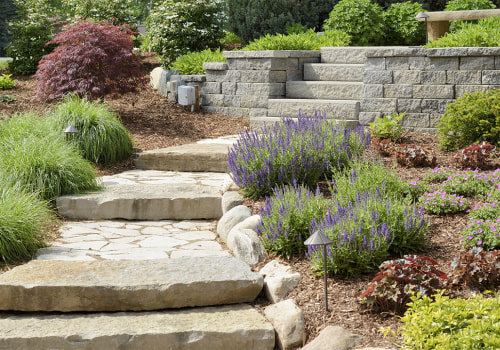
Landscape renovation is a transformative process that revitalizes outdoor spaces, enhancing both their aesthetic appeal and functionality. It involves a comprehensive approach to redesigning and improving existing landscapes, whether through the restoration of native plants, the installation of new features, or the removal of outdated elements. Understanding landscape renovation is crucial for homeowners and property managers alike, as it not only elevates the visual charm of a property but also contributes to environmental sustainability. The importance of landscape renovation cannot be overstated. A well-executed renovation can increase property value, improve curb appeal, and create inviting outdoor areas for relaxation and entertainment.
Moreover, it allows for the integration of modern landscaping techniques that promote water conservation and biodiversity. By reimagining outdoor spaces, individuals can foster a connection with nature while addressing practical concerns such as drainage issues or soil erosion. As we delve deeper into the essentials of landscape renovation, it becomes evident that having the right tools and equipment is paramount. These tools not only facilitate the renovation process but also ensure that the results are sustainable and long-lasting. From basic hand tools to advanced machinery, each piece of equipment plays a vital role in achieving a successful landscape transformation.
Basic Hand Tools for Landscape Renovation
When embarking on a landscape renovation project, having the right hand tools is crucial for achieving optimal results.These essential tools not only enhance efficiency but also ensure that the work is done correctly and safely. Below are some of the most important hand tools you should consider for your landscaping endeavors.
- Shovel: A sturdy shovel is indispensable for digging, planting, and moving soil. Whether you need to create new garden beds or remove old plants, a shovel will be your best friend.
- Rake: Rakes are essential for leveling soil, gathering leaves, and preparing garden beds. A landscape rake can help you achieve a smooth surface, which is vital for planting.
- Pruners: For maintaining the health of your plants, a good pair of pruners is necessary.
They allow you to trim branches and dead foliage, promoting better growth and aesthetics in your landscape.
- Trowel: This small hand tool is perfect for planting bulbs and small plants. Its pointed blade makes it easy to dig into the soil without disturbing surrounding plants.
- Hoe: A hoe is useful for breaking up soil and removing weeds. It can help you cultivate the ground before planting new seeds or plants.
- Hand Fork: Also known as a garden fork, this tool is excellent for loosening soil and aerating it, which is essential for healthy root development.
Remember to keep your tools clean and well-maintained to ensure they perform at their best throughout your projects.
Power Tools That Make a Difference
When it comes to landscape renovation, having the right power tools can significantly enhance both the efficiency and quality of your work. Here are some essential tools that every landscaper should consider:- Lawnmowers: A reliable lawnmower is crucial for maintaining a neat and tidy lawn. Whether you opt for a gas-powered or electric model, look for features like adjustable cutting heights and mulching capabilities to improve your lawn's health.
- String Trimmers: Also known as weed eaters, string trimmers are perfect for reaching areas that mowers can't, such as around trees, fences, and flower beds. They help create clean edges and maintain a polished look in your landscape.
- Tillers: If you're planning to plant new gardens or renovate existing ones, a tiller is indispensable.
It breaks up compacted soil, making it easier to mix in compost and other amendments, which is vital for healthy plant growth.
- Leaf Blowers: Keeping your landscape free of debris is essential for both aesthetics and plant health. Leaf blowers can quickly clear leaves and other organic matter, saving you time and effort compared to raking.
- Chainsaws: For larger renovation projects that involve tree removal or heavy pruning, a chainsaw is necessary. Ensure you choose a model that suits your skill level and the size of the jobs you plan to tackle.
Proper safety measures will ensure that your landscape renovation project goes smoothly and without incident.
Heavy Equipment for Large-Scale Renovations
When embarking on a landscape renovation, especially for large-scale projects, the use of heavy equipment becomes essential. These machines not only expedite the process but also enhance the precision and effectiveness of the work being done.Excavators: The Powerhouses of Landscaping
Excavators are among the most versatile pieces of heavy machinery used in landscape renovation. They are ideal for tasks such as:- Site Preparation: Excavators can efficiently clear large areas of land, removing trees, shrubs, and debris to create a clean slate for new designs.
- Grading and Leveling: With their ability to dig deep and move substantial amounts of earth, excavators are perfect for grading land to ensure proper drainage and aesthetics.
- Trenching: For projects that require irrigation systems or electrical lines, excavators can dig trenches quickly and accurately.
Skid Steers: Compact Yet Mighty
Skid steers are another crucial piece of equipment in landscape renovation. Their compact size allows them to maneuver in tight spaces where larger machines cannot operate.Key uses include:
- Material Handling: Skid steers can easily transport soil, mulch, and other materials around the site, saving time and labor costs.
- Landscaping Features: They are perfect for installing features like retaining walls or decorative stonework due to their ability to lift and place heavy materials with precision.
- Dirt Removal: When it comes to removing excess dirt or debris from a site, skid steers can quickly load and transport materials to designated areas.
Soil Preparation Tools: The Foundation of Landscape Renovation
When embarking on a landscape renovation, the first step is often the most crucial: soil preparation.Healthy soil is the foundation for thriving plants, and having the right tools can make all the difference in achieving optimal results.
Soil Testing Equipment
- Soil Test Kits: These kits allow you to analyze pH levels, nutrient content, and soil texture. Understanding these factors is essential for determining what amendments your soil may need.
- Moisture Meters: These devices help you gauge the moisture level in your soil, ensuring that you provide adequate irrigation without overwatering.
Soil Preparation Tools
- Cultivators: Ideal for breaking up compacted soil, cultivators help aerate the ground and mix in organic matter, which is vital for improving soil structure.
- Shovels and Spades: Essential for digging and turning over soil, these tools are necessary for creating planting beds and removing debris.
- Tillers: For larger areas, a tiller can save time and effort by thoroughly mixing soil and amendments, ensuring a uniform texture throughout your garden.
Landscape Soil Management
Effective landscape soil management involves not just preparation but also ongoing care. Regularly testing your soil and adjusting its composition can lead to healthier plants and a more vibrant landscape. Incorporating organic matter such as compost or mulch can enhance soil fertility and structure over time.In summary, investing in quality soil preparation tools and equipment is essential for any successful landscape renovation project.
By starting with a solid foundation, you set the stage for a flourishing garden that can thrive for years to come.
Irrigation Systems: Keeping Your Landscape Healthy
After completing a landscape renovation, maintaining the health of your plants and soil is crucial. One of the most effective ways to achieve this is through the implementation of a reliable irrigation system. Various options are available, each with its own benefits and suitability depending on your landscape's specific needs.Drip Irrigation
Drip irrigation is a highly efficient method that delivers water directly to the roots of plants. This system minimizes water waste by reducing evaporation and runoff.It is particularly beneficial for flower beds, vegetable gardens, and trees, ensuring that each plant receives the precise amount of moisture it requires.
Sprinkler Systems
Sprinkler systems are another popular choice for landscape watering solutions. They can cover large areas and are ideal for lawns and expansive gardens. Modern sprinkler systems can be automated with timers and sensors, allowing for optimal watering schedules that adjust based on weather conditions.Soaker Hoses
Soaker hoses are a simple yet effective option for watering garden beds. These porous hoses allow water to seep out slowly along their length, providing consistent moisture to the soil without over-saturating it.They are particularly useful for newly planted areas where roots need time to establish.
Efficient Irrigation Methods
To maximize the effectiveness of your irrigation system, consider implementing these efficient methods:- Watering early or late: Watering during cooler parts of the day reduces evaporation.
- Mulching: Applying mulch around plants helps retain soil moisture and reduces the need for frequent watering.
- Regular maintenance: Check for leaks or clogs in your irrigation system to ensure it operates efficiently.
Safety Gear: Protecting Yourself During Renovation Projects
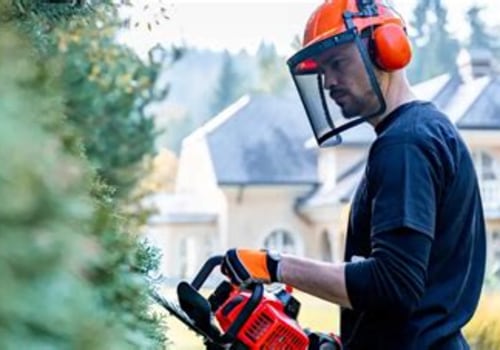
When embarking on a landscape renovation project, prioritizing safety is crucial. The right safety gear not only protects you from potential injuries but also enhances your overall efficiency while working. Here are some essential pieces of protective equipment to consider:- Gloves: A sturdy pair of gloves is essential for protecting your hands from cuts, blisters, and exposure to harmful chemicals.
Look for gloves that are both durable and comfortable, allowing for dexterity while handling tools.
- Goggles: Eye protection is vital when using power tools or working with materials that can produce debris. Invest in a good pair of safety goggles to shield your eyes from dust, splinters, and other flying particles.
- Boots: Proper footwear is often overlooked but is critical for safety during landscape renovation. Choose boots with steel toes and slip-resistant soles to protect your feet from heavy objects and provide stability on uneven terrain.
- Ear Protection: If your renovation involves loud machinery, such as lawnmowers or chainsaws, consider using earplugs or earmuffs to protect your hearing.
- Dust Masks: When working with soil, mulch, or any materials that can create dust, wearing a dust mask can help prevent respiratory issues.
- Plan Ahead: Before starting any project, assess the area for potential hazards such as uneven ground or hidden obstacles.
- Stay Hydrated: Working outdoors can be physically demanding. Ensure you drink plenty of water to stay hydrated, especially on hot days.
- Use Tools Properly: Familiarize yourself with the tools you will be using.
Always follow the manufacturer's instructions and use tools for their intended purpose.
Maintenance Tools: Keeping Your Landscape in Top Shape
After completing a landscape renovation, maintaining the beauty and functionality of your outdoor space is crucial. The right landscape maintenance tools can make this task easier and more efficient. Here are some essential tools that every homeowner should consider for ongoing garden upkeep:- Hedge Trimmers: These are vital for keeping shrubs and hedges neatly shaped. A good pair of electric or gas-powered hedge trimmers can save you time and effort, allowing for precise cuts that promote healthy growth.
- Leaf Blowers: To maintain a clean and tidy landscape, a leaf blower is indispensable.
It helps clear fallen leaves, debris, and grass clippings quickly, ensuring your renovated landscape remains pristine.
- Lawn Mowers: A reliable lawn mower is essential for maintaining the grass in your renovated landscape. Choose a model that suits the size of your yard, whether it’s a push mower for smaller areas or a riding mower for larger lawns.
- Pruning Shears: For detailed work on plants and flowers, pruning shears are necessary. They help in shaping plants and removing dead or diseased branches, promoting healthier growth.
- Garden Rakes: Rakes are useful for leveling soil, gathering leaves, and preparing garden beds. A sturdy rake can also help in spreading mulch evenly across your landscape.
- Weed Eaters: Keeping weeds at bay is crucial for maintaining the aesthetics of your landscape.
A weed eater or string trimmer can easily tackle those hard-to-reach areas where mowers can't go.
FAQs About Landscape Renovation Tools and Equipment
When embarking on a landscape renovation project, it's common to have questions about the tools and equipment necessary for success. Here are some frequently asked questions that can help guide your choices.What are the essential tools for landscape renovation?
Essential tools for landscape renovation include:- Shovels: Ideal for digging and moving soil.
- Rakes: Useful for leveling soil and removing debris.
- Pruners and Shears: Necessary for trimming plants and shrubs.
- Trowels: Perfect for planting small plants and flowers.
- Lawn Mowers: Essential for maintaining grass areas.
- Wheelbarrows: Helpful for transporting materials around the site.
How do I choose the right tools for my project?
Selecting the right tools depends on the specific tasks involved in your landscape renovation. Consider the following:- Project Size: Larger projects may require more heavy-duty equipment.
- Soil Type: Different soil types may necessitate specialized tools.
- Your Experience Level: Beginners might prefer user-friendly tools.
Are there any recommended brands for landscaping tools?
While many brands offer quality landscaping tools, some of the most recommended include:- Fiskars: Known for durable hand tools.
- Ames: Offers a wide range of garden tools suitable for various tasks.
- Husqvarna: Renowned for their power equipment like mowers and trimmers.
Staff can provide valuable insights based on your specific landscape renovation needs.
Conclusion: Equipping Yourself for Successful Landscape Renovation
In conclusion, embarking on a landscape renovation project requires careful planning and the right set of tools and equipment. As we have discussed, having the appropriate tools not only enhances efficiency but also ensures that the renovation process is executed with precision and care. To recap, here are some essential tools that every landscape renovator should consider:- Shovels and Spades: These are fundamental for digging, planting, and moving soil.
- Rakes: Ideal for leveling soil and removing debris, rakes help prepare the ground for new plantings.
- Pruners and Shears: Essential for trimming plants and maintaining their shape, these tools promote healthy growth.
- Trowels: Perfect for smaller planting tasks, trowels allow for precision in planting flowers and shrubs.
- Wheelbarrows: A must-have for transporting soil, plants, and other materials around the site efficiently.
Remember, a well-planned renovation can lead to lasting enjoyment of your landscape for years to come.