In the realm of landscape renovation, the integration of pathways and walkways plays a pivotal role in transforming outdoor spaces. These elements not only serve as functional routes for movement but also significantly enhance the overall aesthetic appeal of a landscape. By carefully designing and incorporating pathways, homeowners can create inviting transitions between different areas of their gardens, patios, and yards, making the space more cohesive and enjoyable. Moreover, the importance of pathways extends beyond mere aesthetics; they contribute to the functionality of a landscape. Well-planned walkways facilitate easy navigation through various sections of a property, ensuring that every corner is accessible and usable.
This is particularly crucial in larger landscapes where natural barriers or uneven terrain may hinder movement. By providing clear routes, pathways can guide visitors through the landscape, encouraging exploration and interaction with the environment. Additionally, incorporating walkways into a renovated landscape can significantly improve accessibility. For families with children or elderly members, safe and stable paths are essential for enjoying outdoor spaces without the risk of tripping or falling. Furthermore, these walkways can be designed to accommodate various activities, from leisurely strolls to more active pursuits like biking or jogging.
In essence, pathways and walkways are not just functional features; they are integral components that enhance the usability and enjoyment of any renovated landscape.
Types of Pathways and Walkways to Consider
When considering landscape renovation, the choice of pathways and walkways plays a crucial role in both functionality and aesthetics. Here are some popular types of pathways and materials to consider:- Stone Pathways: Natural stone offers a timeless look that blends seamlessly with various landscapes. Options like flagstone, slate, or cobblestone can create a rustic charm. They are durable and can withstand weather changes, making them ideal for outdoor settings.
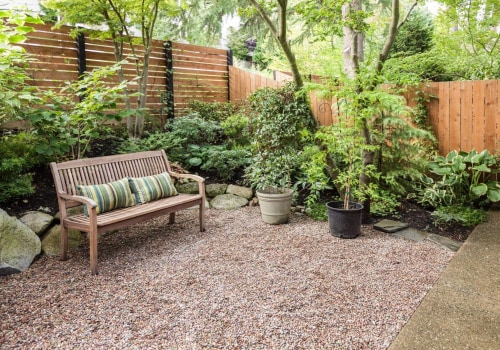
- Gravel Walkways: Gravel is an affordable and versatile option for creating informal paths.
It allows for good drainage and can be easily shaped to fit the landscape. Plus, it comes in various colors and sizes, enabling customization to match your design.
- Concrete Walkways: For a modern touch, concrete is a popular choice. It can be poured into various shapes and stamped with patterns to mimic other materials like stone or brick. Concrete is low-maintenance and highly durable, making it suitable for high-traffic areas.
- Brick Paths: Brick walkways add a classic elegance to any garden or yard.
They can be laid in various patterns, such as herringbone or basketweave, providing visual interest while ensuring stability.
- Wooden Boardwalks: If your landscape includes wet areas or marshy ground, wooden boardwalks can provide safe passage while enhancing the natural beauty of the surroundings. Using treated wood or composite materials can increase longevity.
Take time to evaluate your space and select materials that complement your home’s architecture and the surrounding environment.
Designing Pathways for Functionality and Aesthetics
When it comes to landscape renovation, designing pathways that serve both functional and aesthetic purposes is essential. A well-planned pathway not only guides visitors through your outdoor space but also enhances the overall beauty of the landscape. Here are some tips to consider when designing your walkways:- Define Purpose: Before laying down any materials, determine the primary function of your pathway. Will it be used for daily foot traffic, or is it more for decorative purposes? Understanding its use will guide your design choices.
- Choose the Right Materials: The materials you select can significantly impact both functionality and aesthetics.
Natural stone, brick, and gravel can create a rustic feel, while concrete or pavers offer a modern touch. Ensure that the materials are durable and suitable for your climate.
- Incorporate Curves: Straight paths can feel rigid and uninviting. Consider incorporating gentle curves to create a more organic flow that encourages exploration and adds visual interest.
- Consider Width: The width of your pathway should accommodate its intended use. A narrow path may suffice for a garden trail, while a wider walkway is necessary for high-traffic areas.
- Add Edging: Edging not only defines the pathway but also helps keep materials in place.
Use bricks, stones, or even plants to create a clear boundary that enhances the overall look.
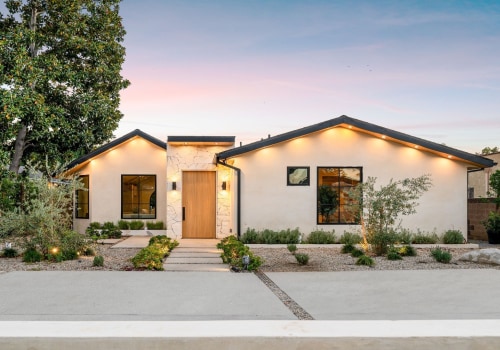
- Integrate Lighting: Pathway lighting can enhance safety and add ambiance during evening hours. Consider solar lights or low-voltage options that complement your landscape design.
Incorporating Natural Elements into Pathway Design
Incorporating natural elements into pathway design not only enhances the aesthetic appeal of your landscape renovation but also fosters a sense of harmony with the surrounding environment. By thoughtfully integrating plants, stones, and other organic materials, you can create pathways that feel like a seamless extension of nature.Utilizing Native Plants
One effective way to achieve a natural look is by using native plants along your walkways.These plants are adapted to the local climate and soil conditions, making them easier to maintain while providing essential habitat for local wildlife. Consider planting low-growing perennials or ground covers that can soften the edges of your pathways and add vibrant colors throughout the seasons.
Incorporating Natural Stones
Another element to consider is the use of natural stones. Whether you opt for flagstone, gravel, or river rocks, these materials can create a rustic charm that complements your landscape renovation. For instance, a pathway made of irregularly shaped stones can mimic the look of a natural trail, while gravel paths can provide excellent drainage and a more informal feel.Creating Layered Textures
To enhance the visual interest of your walkways, think about layering different textures.Combine smooth stones with rough bark mulch or soft moss to create a dynamic surface that invites exploration. This layering not only adds depth but also encourages biodiversity by providing various microhabitats for insects and small animals.
Integrating Water Features
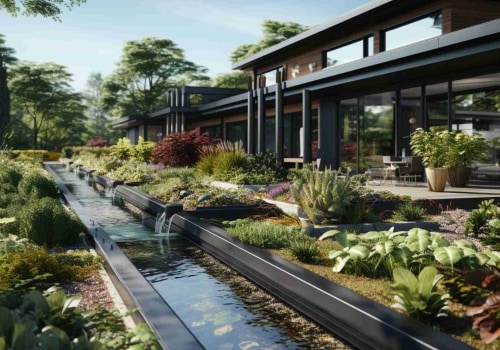
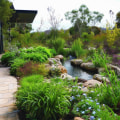
If space allows, consider integrating small water features such as ponds or streams alongside your pathways. The sound of flowing water can enhance the sensory experience of walking through your landscape while attracting birds and other wildlife. Use natural stones to line these features, ensuring they blend seamlessly with your overall design.By thoughtfully incorporating these natural elements into your pathway design, you can create a landscape that is not only beautiful but also sustainable and inviting.This approach not only enhances the functionality of your walkways but also enriches the overall experience of your renovated landscape.
Creating a Cohesive Flow with Pathways and Walkways
Incorporating pathways and walkways into your landscape renovation is essential for creating a cohesive flow throughout your outdoor space. These elements not only enhance the aesthetic appeal but also serve practical purposes by connecting different areas of your yard.To achieve a seamless transition between spaces, consider the following strategies:- Define Purpose: Before laying down any pathways, identify the key areas you want to connect, such as gardens, patios, or play areas. This will help you determine the most effective layout.
- Choose Materials Wisely: The materials you select for your walkways can significantly impact the overall look of your landscape. Options like natural stone, gravel, or pavers can complement various design styles.
Ensure that the materials harmonize with existing features to maintain a cohesive landscape design.
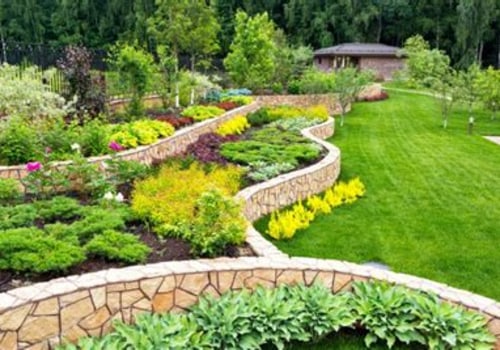
- Incorporate Curves: Straight paths can feel rigid and uninviting. Instead, opt for gently curving walkways that guide visitors through your garden, creating a sense of discovery and enhancing the flow in landscaping.
- Add Visual Interest: Use borders, lighting, or plantings alongside pathways to draw attention and create focal points. This not only beautifies the path but also encourages exploration of different areas.
- Consider Scale: Ensure that the width of your pathways is appropriate for their intended use. A narrow path may suffice for a quiet garden stroll, while wider walkways are better suited for entertaining guests.
This strategic placement not only enhances functionality but also elevates the overall beauty of your outdoor space.
Maintenance Tips for Pathways and Walkways
Maintaining your pathways and walkways is essential for preserving the overall aesthetic and functionality of your landscape renovation. Regular care not only enhances the beauty of your outdoor space but also extends the lifespan of these features. Here are some practical tips to keep your pathways and walkways in top condition:- Regular Cleaning: Keep surfaces free from debris, leaves, and dirt. Use a broom or leaf blower for quick clean-ups, and consider pressure washing periodically to remove stubborn stains.
- Inspect for Damage: Regularly check for cracks, loose stones, or uneven surfaces.
Early detection allows for timely repairs, preventing further deterioration.
- Weed Control: Weeds can disrupt the integrity of your pathways. Use mulch or landscape fabric to suppress weed growth, and apply herbicides as needed to keep them at bay.
- Sealant Application: For stone or concrete walkways, applying a sealant can protect against moisture and stains. Reapply every few years to maintain effectiveness.
- Edge Maintenance: Keep edges well-defined by trimming grass or plants that encroach on the pathway. This not only improves appearance but also prevents damage from overgrowth.
- Seasonal Care: In winter, clear snow and ice promptly to prevent slips and falls.
Use sand or salt sparingly to avoid damaging surfaces.
Common Mistakes to Avoid When Designing Pathways
Designing pathways and walkways can significantly enhance your landscape renovation, but there are common mistakes that can undermine your efforts. Here are some pitfalls to avoid:- Ignoring Functionality: One of the biggest errors is not considering how the pathway will be used. Ensure that the design accommodates foot traffic, whether for daily use or special occasions.
- Neglecting Scale and Proportion: Pathways that are too narrow or too wide can disrupt the visual balance of your landscape.
Aim for a width that complements the surrounding space, typically between 3 to 5 feet.
- Choosing Inappropriate Materials: The materials you select should not only match your aesthetic but also be suitable for the climate and usage. For instance, slippery stones may not be ideal in rainy areas.
- Overlooking Drainage: Poor drainage can lead to water pooling on pathways, causing damage and safety hazards. Incorporate proper grading and drainage solutions to prevent these issues.
- Forgetting About Maintenance: Some materials require more upkeep than others. Consider how much time you’re willing to invest in maintenance when selecting your pathway materials.
- Lack of Visual Interest: A straight, monotonous path can be visually unappealing.
Incorporate curves, varying widths, or different materials to create a more engaging design.
FAQs About Pathways and Walkways in Landscape Renovation
When considering pathways and walkways in your landscape renovation, several common questions arise. Here are some frequently asked questions that can help guide your decisions:- What materials are best for pathways?
Common materials include gravel, pavers, concrete, and natural stone. Each offers different aesthetics and durability, so consider the overall style of your landscape. - How wide should a walkway be?
A standard width for walkways is typically between 3 to 4 feet.This allows for comfortable passage and accessibility, especially if you plan to accommodate two people walking side by side.
- Can I incorporate lighting into my pathways?
Absolutely! Adding lighting not only enhances safety but also highlights the beauty of your landscape at night. Consider solar lights or low-voltage options for energy efficiency. - How do I maintain my pathways?
Regular maintenance includes cleaning debris, checking for weeds, and repairing any damage. For stone or paver paths, periodic sealing may be necessary to prevent erosion and staining. - Are there eco-friendly options for walkways?
Yes! Recycled materials, permeable pavers, and natural stones are excellent choices that minimize environmental impact while enhancing your landscape's beauty.
Conclusion: Transforming Your Landscape with Thoughtful Pathway Design
Incorporating pathways and walkways into your landscape renovation is not just about aesthetics; it’s about creating a functional and inviting outdoor space. As we’ve explored, well-designed pathways can enhance the flow of your landscape, guiding visitors through various areas while providing a sense of direction and purpose.To summarize the key points discussed:- Material Selection: Choosing the right materials is crucial.
Options like natural stone, brick, or permeable pavers can complement your landscape while ensuring durability.
- Pathway Design: The design should reflect the overall theme of your landscape. Curved paths can create a more organic feel, while straight lines may lend a modern touch.
- Integration with Nature: Pathways should harmonize with existing plants and features. Consider using native plants along the edges to enhance biodiversity and maintain a natural look.
- Lighting and Safety: Incorporating lighting along pathways not only enhances safety but also adds ambiance during evening hours. Solar lights or low-voltage options can be both effective and energy-efficient.
- Accessibility: Ensure that pathways are accessible to everyone, including those with mobility challenges.
A smooth, even surface is essential for ease of use.