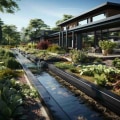
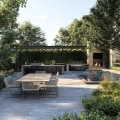
In the face of increasing environmental challenges, water conservation has emerged as a critical consideration in the realm of landscape renovation. As urban areas expand and climate change intensifies, the demand for water resources continues to rise, making it essential for homeowners and landscape designers alike to adopt sustainable practices. By integrating water-saving techniques into landscape renovation projects, we not only enhance the aesthetic appeal of our outdoor spaces but also contribute to a more sustainable future. Understanding the importance of water conservation in landscape renovation goes beyond mere aesthetics; it reflects a commitment to environmental stewardship. Traditional landscaping often relies heavily on irrigation systems that waste significant amounts of water.
In contrast, modern landscape renovation emphasizes the use of native plants, xeriscaping, and efficient irrigation methods that minimize water usage while maintaining vibrant and healthy gardens. This shift not only conserves precious water resources but also reduces maintenance costs and promotes biodiversity. Moreover, incorporating water conservation strategies into landscape renovation can significantly impact local ecosystems. By creating landscapes that are more resilient to drought and climate variability, we can help protect wildlife habitats and improve soil health. As we embark on our journey of transforming outdoor spaces, recognizing the role of water conservation is paramount.
It empowers us to make informed decisions that benefit both our immediate surroundings and the broader environment.
Assessing Your Current Landscape for Water Efficiency
To effectively incorporate water conservation into your landscape renovation, it is essential to first assess your current landscape for its water efficiency. This evaluation will help you identify areas where improvements can be made, ensuring that your renovation efforts are both sustainable and cost-effective.Begin by examining the existing plants in your landscape. Are they native or drought-resistant species? If not, consider replacing them with plants that require less water. Native plants are adapted to the local climate and soil conditions, making them more resilient and less dependent on irrigation.Evaluate Irrigation Systems
Next, take a close look at your irrigation system.Is it outdated or inefficient? An old sprinkler system may waste water through evaporation or runoff. Upgrading to a modern, smart irrigation system can significantly enhance water efficiency by adjusting watering schedules based on weather conditions and soil moisture levels.
Assess Soil Quality
The quality of your soil plays a crucial role in water retention. Conduct a soil test to determine its composition and drainage capabilities. Improving soil health through organic amendments can enhance its ability to retain moisture, reducing the need for frequent watering.Identify Hardscape Areas
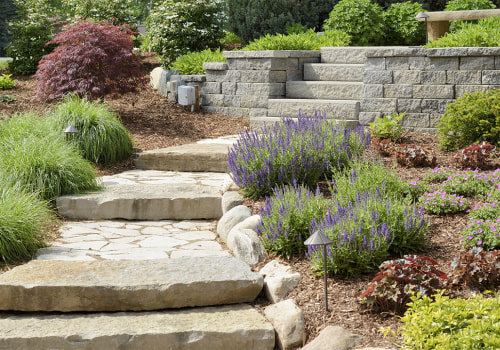
Examine hardscape elements such as patios, walkways, and driveways.These surfaces can contribute to runoff and reduce the amount of water that penetrates the ground. Consider incorporating permeable materials that allow rainwater to seep through, replenishing groundwater supplies.
Plan for Water Features
If you are considering adding water features like ponds or fountains, think about how they can be designed to promote conservation. For instance, using recirculating systems can minimize water loss while creating an attractive focal point in your landscape.By thoroughly assessing your current landscape for water efficiency, you can make informed decisions that not only enhance the beauty of your outdoor space but also contribute to sustainable practices in your landscape renovation.Choosing Native and Drought-Resistant Plants
Incorporating native and drought-resistant plants into your landscape renovation is a strategic way to enhance water conservation while creating a vibrant and sustainable garden. These plants are naturally adapted to the local climate, soil, and ecosystem, making them more resilient and easier to maintain.Benefits of Native Plants
- Water Efficiency: Native plants typically require less water than non-native species, as they are adapted to local rainfall patterns.
- Soil Adaptation: They thrive in the existing soil conditions, reducing the need for fertilizers and amendments.
- Biodiversity Support: Native plants provide essential habitats for local wildlife, including pollinators like bees and butterflies.
- Aesthetic Appeal: They offer a unique beauty that reflects the natural landscape of your region.
Drought-Resistant Plants
Drought-resistant plants are specifically chosen for their ability to survive with minimal water.
These species often have deep root systems, waxy leaves, or other adaptations that help them conserve moisture. By selecting these plants during your landscape renovation, you can significantly reduce your garden's water needs.
Landscaping with Native Species
When planning your landscape renovation, consider grouping native and drought-resistant plants together. This not only creates a cohesive look but also allows for more efficient watering practices. For instance, you can create zones in your garden where similar plants are grouped based on their water needs.
This method minimizes water waste and ensures that each plant receives the appropriate amount of moisture.Additionally, incorporating mulch around these plants can help retain soil moisture and suppress weeds, further enhancing water conservation efforts. By choosing native and drought-resistant plants, you not only contribute to a healthier environment but also enjoy a low-maintenance landscape that thrives with minimal resources.
Implementing Efficient Irrigation Systems
Incorporating efficient irrigation systems into your landscape renovation is crucial for conserving water while maintaining a vibrant garden. One of the most effective methods is drip irrigation, which delivers water directly to the roots of plants through a network of tubing and emitters. This targeted approach minimizes evaporation and runoff, ensuring that every drop counts.Drip irrigation systems are particularly beneficial for gardens with a variety of plant types, as they can be customized to meet the specific watering needs of each species.By adjusting the flow rate and emitter placement, you can create a tailored watering schedule that promotes healthy growth without wasting water.Another innovative solution is the use of smart irrigation systems. These advanced systems utilize weather data and soil moisture sensors to optimize watering schedules automatically. For instance, if rain is forecasted, the system can delay watering, preventing over-saturation and conserving precious resources. Additionally, many smart controllers can be managed via smartphone apps, allowing homeowners to monitor and adjust their irrigation from anywhere.
- Benefits of Drip Irrigation:
- Reduces water waste by delivering water directly to the plant roots.
- Minimizes weed growth by limiting water to desired areas.
- Can be easily integrated into existing landscapes.
- Advantages of Smart Irrigation Systems:
- Automatically adjusts watering based on real-time weather conditions.
- Promotes healthier plants by preventing over or under-watering.
- Enhances convenience with remote access and control.
Investing in technology that promotes sustainability will pay off in both environmental impact and reduced utility bills over time.
Utilizing Rainwater Harvesting Techniques
Incorporating rainwater harvesting techniques into your landscape renovation not only promotes sustainability but also significantly reduces your reliance on municipal water sources. By capturing and utilizing rainwater, you can create a more resilient and eco-friendly landscape.One of the most effective methods for rainwater harvesting is the installation of rain barrels. These barrels collect runoff from your roof, allowing you to store water for later use in your garden or landscape. Here are some key steps to consider when implementing rain barrels:- Select the Right Location: Position your rain barrel under a downspout to maximize water collection.
Ensure it is easily accessible for filling watering cans or connecting hoses.
- Choose the Right Size: Depending on your landscape size and rainfall patterns, select a barrel that meets your needs. Common sizes range from 50 to 100 gallons.
- Install a Filter: To keep debris out of your stored water, consider adding a filter or screen at the top of the barrel.
- Use a Spigot: A spigot at the bottom of the barrel allows for easy access to the water, making it convenient to fill containers or connect to irrigation systems.
- Select Native Plants: Choose plants that thrive in wet conditions and are native to your area.
This will ensure they require less maintenance and are more resilient.
- Create a Shallow Depression: Design a slight dip in your landscape where water can collect and drain slowly.
- Add Mulch: Use organic mulch to retain moisture and suppress weeds while enhancing the aesthetic appeal of your garden.
Incorporating Hardscaping for Water Management
Incorporating hardscaping elements into your landscape renovation can significantly enhance water management and promote sustainability. By integrating features such as permeable pavers and gravel pathways, homeowners can effectively manage stormwater and reduce runoff, which is crucial in preventing erosion and protecting local waterways.Permeable surfaces
allow rainwater to infiltrate the ground rather than pooling on the surface. This not only helps recharge groundwater supplies but also minimizes the risk of flooding during heavy rainfall. Here are some effective hardscaping options to consider:- Permeable Pavers: These are designed with gaps that allow water to flow through, making them an excellent choice for driveways, patios, and walkways.
They come in various materials, including concrete and brick, providing both functionality and aesthetic appeal.
- Gravel Paths: Using gravel instead of traditional concrete or asphalt for pathways can enhance drainage. Gravel allows water to seep through while providing a natural look that complements many landscape designs.
- Rain Gardens: Incorporating hardscaping elements around rain gardens can help direct water flow into these areas. Rain gardens are designed to capture and absorb rainwater runoff from impervious surfaces, filtering pollutants and reducing the burden on stormwater systems.
By strategically placing these elements, you can create a cohesive landscape that not only looks beautiful but also functions effectively in managing water.In summary, incorporating hardscaping into your landscape renovation is a smart way to enhance water management. By choosing permeable surfaces and thoughtful designs, you can create a sustainable outdoor space that conserves water and supports the environment.
Creating a Sustainable Landscape Design Plan
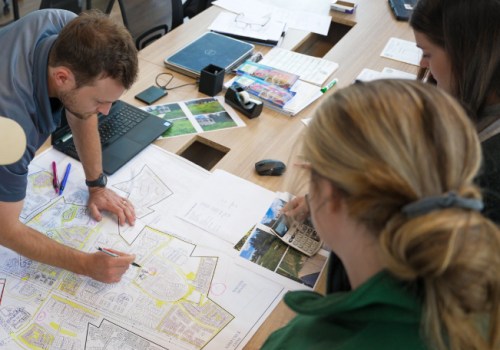
Creating a sustainable landscape design plan is essential for incorporating water conservation into your renovated landscape. This approach not only enhances the aesthetic appeal of your property but also promotes environmental stewardship.To begin, consider the following key elements when developing your landscape design plan:- Assess Your Site: Evaluate the existing conditions of your landscape, including soil type, sun exposure, and drainage patterns. Understanding these factors will help you make informed decisions about plant selection and placement.
- Select Native Plants: Choose sustainable landscaping options by incorporating native plants that are adapted to your local climate.
These plants typically require less water and maintenance, making them ideal for conservation efforts.
- Implement Efficient Irrigation: Design an irrigation system that minimizes water waste. Consider drip irrigation or soaker hoses that deliver water directly to the roots of plants, reducing evaporation and runoff.
- Create Water Features: Incorporate features such as rain gardens or bioswales that capture and filter rainwater. These elements not only enhance the beauty of your landscape but also promote natural water management.
- Mulching: Use organic mulch around plants to retain moisture in the soil, suppress weeds, and improve soil health. This simple practice can significantly reduce the need for frequent watering.
For instance, consider the layout of your landscape to maximize shade and minimize heat exposure, which can lead to reduced water needs. Grouping plants with similar water requirements together can also streamline irrigation efforts.By thoughtfully integrating these components into your landscape design plan, you can create a beautiful and functional outdoor space that prioritizes water conservation while enhancing biodiversity and sustainability.
Maintaining Your Water-Efficient Landscape
Maintaining a water-efficient landscape is essential for ensuring that your renovation continues to thrive while conserving precious resources. Here are some effective strategies to keep your landscape both beautiful and sustainable.- Regular Monitoring: Keep an eye on your plants and soil moisture levels. Use a moisture meter to determine when watering is necessary, preventing overwatering and promoting deep root growth.
- Mulching: Apply a layer of organic mulch around plants to retain soil moisture, suppress weeds, and regulate soil temperature.
This practice not only conserves water but also enriches the soil as the mulch decomposes.
- Efficient Irrigation: Consider installing a drip irrigation system or soaker hoses that deliver water directly to the plant roots. This method minimizes evaporation and runoff, making your watering efforts more effective.
- Native Plants: Incorporate native plants into your landscape design. These species are adapted to local climate conditions and typically require less water and maintenance than non-native varieties.
- Seasonal Adjustments: Adjust your watering schedule based on seasonal changes. During cooler months, reduce watering frequency, while in hotter months, ensure that your plants receive adequate hydration without excess.
This not only enhances soil health but also reduces the need for chemical fertilizers that can harm the environment.Lastly, educate yourself about local water conservation regulations and programs. Many communities offer resources and incentives for homeowners who adopt water-saving practices in their landscapes. By staying informed and proactive, you can ensure that your renovated landscape remains a model of sustainability for years to come.
FAQs About Water Conservation in Landscape Renovation
When considering water conservation in your landscape renovation, several common questions arise. Here are some frequently asked questions that can help guide your project:- What are the best plants for water conservation?
Choosing native and drought-resistant plants is crucial.These plants are adapted to local climates and require less water once established. Examples include lavender, sedum, and agave.
- How can I reduce water usage in my irrigation system?
Consider installing a drip irrigation system, which delivers water directly to the plant roots, minimizing evaporation and runoff. Additionally, using smart controllers can optimize watering schedules based on weather conditions. - Is it possible to create a beautiful landscape while conserving water?
Absolutely! A well-planned landscape can be both aesthetically pleasing and water-efficient. Incorporate hardscaping elements like patios and pathways to reduce lawn areas, and use mulch to retain soil moisture. - What role does soil play in water conservation?
Healthy soil improves water retention.Amending your soil with organic matter, such as compost, enhances its structure and increases its ability to hold moisture.
- How can I collect rainwater for my landscape?
Installing rain barrels or cisterns can help you collect rainwater from your roof. This harvested water can be used for irrigation, reducing reliance on municipal water sources.
Conclusion: The Future of Sustainable Landscaping Practices
In conclusion, the integration of water conservation practices into landscape renovation is not just a trend but a necessity for sustainable living. As we have explored throughout this article, the choices we make in our outdoor spaces can significantly impact our environment and water resources. By implementing strategies such as xeriscaping, utilizing native plants, and installing efficient irrigation systems, homeowners can create beautiful landscapes that require less water. These practices not only help in conserving water but also reduce maintenance costs and promote biodiversity.Key Takeaways
- Xeriscaping minimizes water usage by selecting drought-resistant plants.
- Native plants are adapted to local climates and require less care and water.
- Smart irrigation systems, such as drip irrigation and rain sensors, optimize water use.
- Mulching helps retain soil moisture and reduces evaporation.
The benefits extend beyond mere aesthetics; they contribute to a healthier ecosystem and a more resilient environment. By prioritizing water conservation in our landscape renovations, we can ensure that our outdoor spaces thrive while safeguarding our precious water resources for generations to come.