Landscape renovation is a transformative process that revitalizes outdoor spaces, enhancing both their aesthetic appeal and functionality. This practice involves a comprehensive approach to redesigning and improving existing landscapes, whether residential or commercial. By focusing on elements such as plant selection, hardscaping, and sustainable practices, landscape renovation not only beautifies an area but also contributes to environmental health. One of the primary benefits of landscape renovation is its ability to increase property value. A well-designed landscape can significantly enhance curb appeal, making a property more attractive to potential buyers or tenants.
Additionally, renovated landscapes often incorporate native plants and efficient irrigation systems, which can lead to reduced maintenance costs and lower water usage. This sustainable approach not only benefits homeowners but also supports local ecosystems. Moreover, landscape renovation can create functional outdoor spaces that cater to the needs of the inhabitants. Whether it’s designing a serene garden retreat, a vibrant entertainment area, or a child-friendly play zone, the possibilities are endless. By understanding the principles of landscape renovation, property owners can make informed decisions that align with their vision while also considering the long-term benefits for their environment and community.
Design Elements in Landscape Renovation
When embarking on a landscape renovation, several key design elements come into play to enhance both functionality and aesthetics.These elements not only improve the visual appeal of the space but also contribute to its overall usability.
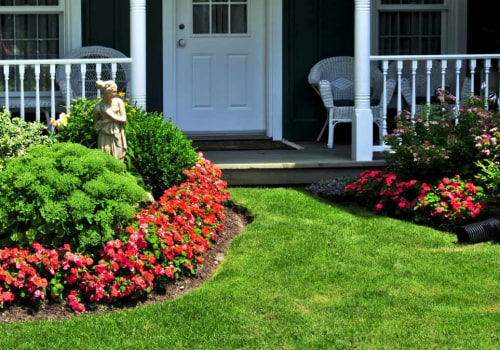
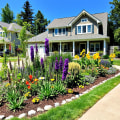
- Plant Selection: Choosing the right plants is crucial in any landscape renovation. Opt for native species that thrive in your local climate, as they require less maintenance and water. Incorporating a mix of perennials, shrubs, and trees can create a dynamic and layered look, providing year-round interest.
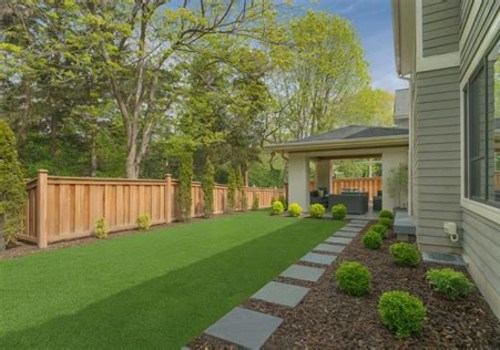
- Hardscaping: The use of hardscaping materials such as stone, brick, or concrete can significantly transform a landscape. Features like patios, walkways, and retaining walls not only define spaces but also add structure and durability.
Consider using permeable materials to promote drainage and reduce runoff.
- Layout Changes: A thoughtful layout can enhance the flow of your outdoor space. Consider creating distinct zones for different activities, such as dining, gardening, or relaxation. This can be achieved through strategic placement of pathways, seating areas, and plant beds.
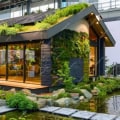
- Water Features: Incorporating water features like ponds, fountains, or waterfalls can add a soothing element to your landscape. These features not only attract wildlife but also create a tranquil atmosphere that enhances the overall experience of the space.
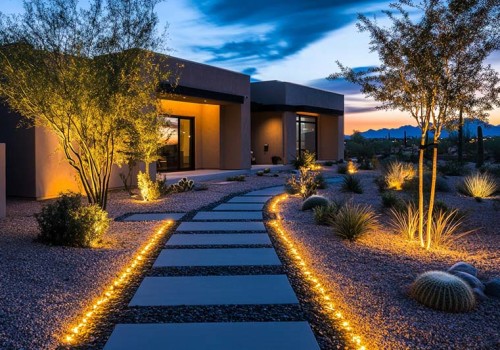
- Lighting: Outdoor lighting is an essential aspect of landscape renovation that extends usability into the evening hours.
Use a combination of ambient, task, and accent lighting to highlight key features and ensure safety along pathways.
Sustainable Practices in Landscape Renovation
In the realm of landscape renovation, incorporating sustainable practices is essential for creating eco-friendly and resilient outdoor spaces. These practices not only enhance the aesthetic appeal of a landscape but also contribute positively to the environment.Native Plant Usage
One of the cornerstones of sustainable landscape renovation is the use of native plants. These species are well-adapted to the local climate and soil conditions, requiring less water and maintenance compared to non-native varieties.By choosing native plants, homeowners can:
- Reduce Water Usage: Native plants typically require less irrigation, making them ideal for water conservation.
- Support Local Wildlife: They provide essential habitats and food sources for local birds, insects, and other wildlife.
- Minimize Pesticide Use: Native plants are more resistant to local pests and diseases, reducing the need for chemical treatments.
Water Conservation Techniques
Effective water management is another critical aspect of eco-friendly landscaping. Implementing techniques such as rain gardens, permeable paving, and drip irrigation systems can significantly enhance water efficiency. These methods help:- Reduce Runoff: Rain gardens capture and filter stormwater, preventing erosion and pollution.
- Maximize Water Use: Drip irrigation delivers water directly to plant roots, minimizing waste.
- Enhance Soil Health: Permeable surfaces allow water to infiltrate the ground, replenishing groundwater supplies.
Organic Materials
The choice of materials in landscape renovation also plays a vital role in sustainability. Utilizing organic materials such as compost, mulch, and natural stone can improve soil health and reduce environmental impact.Benefits include:
- Improved Soil Structure: Organic matter enhances soil aeration and nutrient retention.
- Reduced Chemical Dependency: Organic materials minimize the need for synthetic fertilizers and pesticides.
- Sustainable Sourcing: Choosing locally sourced materials reduces transportation emissions and supports local economies.
Functional Features of Renovated Landscapes
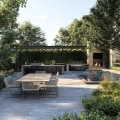
When considering landscape renovation, the focus often shifts to enhancing the functionality of outdoor spaces. A well-planned landscape not only beautifies a property but also improves its usability. Here are some common functional features that can transform a renovated landscape:- Patios: A patio serves as an excellent outdoor living space, providing a designated area for relaxation and entertainment. Materials such as stone, brick, or concrete can be used to create a durable and aesthetically pleasing surface.
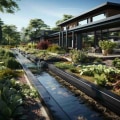
- Walkways: Well-designed walkways enhance accessibility and guide visitors through the landscape.
They can be constructed from various materials, including gravel, pavers, or flagstone, and should complement the overall design of the space.
- Outdoor Kitchens: Incorporating an outdoor kitchen into your landscape renovation allows for seamless cooking and dining experiences outside. Features may include grills, countertops, sinks, and even refrigerators, making it a perfect spot for gatherings.
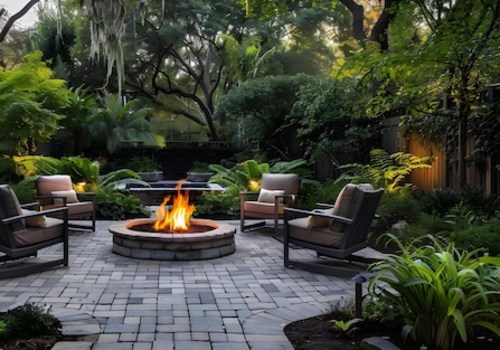
- Fire Pits: A fire pit adds warmth and ambiance to any outdoor area. It serves as a focal point for social gatherings and extends the usability of the space into cooler evenings.
- Seating Areas: Comfortable seating arrangements are essential for enjoying outdoor spaces. Benches, chairs, and dining sets can be strategically placed to encourage relaxation and social interaction.
- Garden Beds: Raised garden beds not only enhance the aesthetic appeal but also provide functional space for growing vegetables and flowers.
They can be designed to fit seamlessly into the landscape while promoting sustainability.
Common Challenges in Landscape Renovation
Landscape renovation can be an exciting yet challenging endeavor. Homeowners and landscapers often encounter various issues in landscaping projects that can complicate the renovation process. Understanding these challenges is crucial for a successful outcome. One of the most common challenges is site assessment.Before any renovation begins, it’s essential to evaluate the existing landscape thoroughly. This includes understanding soil quality, drainage issues, and existing plant health. Neglecting this step can lead to costly mistakes down the line. Another significant obstacle is budget constraints. Renovations can quickly become expensive, especially if unexpected issues arise.
To overcome this, it’s advisable to set a realistic budget that includes a contingency fund for unforeseen expenses. Prioritizing elements of the renovation can also help manage costs effectively.
Weather conditions
can also pose challenges during landscape renovations. Rain, extreme heat, or cold can delay progress and affect plant installation. Planning renovations during favorable seasons and having a flexible timeline can mitigate these weather-related issues. Additionally, plant selection is critical in landscape renovation.Choosing plants that are not suited for the local climate or soil type can lead to failure in establishing a thriving landscape. Consulting with a local horticulturist or landscape designer can provide valuable insights into suitable plant choices. Finally, communication between homeowners and contractors is vital. Misunderstandings regarding project scope, timelines, and expectations can lead to frustration and delays. Regular check-ins and clear communication channels can help ensure everyone is on the same page throughout the renovation process. By being aware of these common challenges and proactively addressing them, homeowners can navigate the complexities of landscape renovation more effectively, leading to a successful transformation of their outdoor spaces.
FAQs About Landscape Renovation Features
When considering landscape renovation, many homeowners have questions about the features that can enhance their outdoor spaces.Here are some frequently asked questions that address common concerns:
What are the key features of a renovated landscape?
- Hardscaping Elements: This includes patios, walkways, retaining walls, and other non-plant features that provide structure and functionality to the landscape.
- Plant Selection: A renovated landscape often incorporates a variety of plants, including native species, perennials, and ornamental trees, which can improve biodiversity and aesthetic appeal.
- Irrigation Systems: Efficient watering systems, such as drip irrigation or smart controllers, are commonly integrated to conserve water and ensure healthy plant growth.
- Lighting: Landscape lighting enhances safety and ambiance, allowing homeowners to enjoy their outdoor spaces even after dark.
- Sustainable Practices: Many renovations focus on eco-friendly practices, such as xeriscaping or using recycled materials, to minimize environmental impact.
How can I ensure my landscape renovation is successful?
To achieve a successful landscape renovation, consider the following tips:- Plan Thoroughly: Create a detailed design plan that includes all desired features and takes into account the local climate and soil conditions.
- Consult Professionals: Hiring landscape architects or designers can provide valuable insights and help avoid costly mistakes.
- Prioritize Maintenance: Choose plants and materials that align with your maintenance preferences to ensure long-term enjoyment of your renovated landscape.
Conclusion: The Impact of Landscape Renovation on Property Value and Aesthetics
In conclusion, landscape renovation plays a pivotal role in enhancing both the aesthetic appeal and the overall value of a property. As we have explored throughout this article, the features of a well-executed landscape renovation can significantly transform outdoor spaces, making them more functional and visually appealing.Impact on Property Value:
One of the most compelling reasons to invest in landscape renovation is its direct impact on property value. Studies have shown that well-designed landscapes can increase a property's value by as much as 15%. This increase is often attributed to improved curb appeal, which attracts potential buyers and enhances the overall marketability of the home.Benefits of Renovated Landscapes:
The benefits of a renovated landscape extend beyond mere aesthetics.A thoughtfully designed outdoor space can provide:
- Increased Usability: Renovated landscapes often include features such as patios, walkways, and outdoor living areas that enhance usability for homeowners and guests.
- Environmental Benefits: Incorporating native plants and sustainable practices in landscape renovation can improve local biodiversity and reduce water usage.
- Enhanced Outdoor Experience: A well-planned landscape creates inviting spaces for relaxation and entertainment, contributing to a better quality of life.