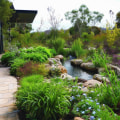
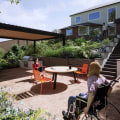
In recent years, landscape renovation has emerged as a vital practice for homeowners and communities alike, focusing on revitalizing outdoor spaces to enhance both aesthetic appeal and environmental sustainability. This process involves reimagining existing landscapes, whether through the restoration of native plants, the redesign of hardscapes, or the integration of modern ecological practices. As urban areas expand and climate change becomes an ever-pressing concern, understanding what landscape renovation entails is crucial for creating resilient and sustainable environments. The benefits of landscape renovation extend far beyond mere visual enhancement. By incorporating sustainable practices, such as using native plants that require less water and maintenance, homeowners can significantly reduce their ecological footprint.
Additionally, renovated landscapes can improve biodiversity, support local wildlife, and even increase property values. As more individuals recognize the importance of sustainability in their outdoor spaces, the trend towards eco-friendly landscaping solutions continues to grow. As we delve deeper into the topic of landscape renovation, it becomes clear that the choice of materials plays a pivotal role in achieving sustainable outcomes. From recycled materials to locally sourced stone, the options available today allow for creativity while minimizing environmental impact. This article will explore how to effectively incorporate these sustainable materials into your renovated landscape, ensuring that your outdoor space is not only beautiful but also beneficial to the planet.
The Importance of Sustainable Materials in Landscaping
Incorporating sustainable materials into your landscape renovation is not just a trend; it is a vital step towards promoting environmental health and enhancing the overall aesthetic of your outdoor space.The importance of using these materials cannot be overstated, as they contribute significantly to reducing the ecological footprint of landscaping projects.
Benefits of Sustainable Landscaping
- Environmental Impact: Sustainable materials, such as recycled stone, reclaimed wood, and native plants, help preserve natural resources and reduce waste. By choosing these options, you are actively participating in the conservation of ecosystems.
- Cost-Effectiveness: While the initial investment in sustainable materials may be higher, they often lead to long-term savings. For instance, native plants require less water and maintenance, reducing ongoing costs.
- Aesthetic Appeal: Eco-friendly landscaping materials can enhance the beauty of your landscape. Natural stones and organic mulches provide a unique look that blends seamlessly with the environment.
By selecting native plants that are well-adapted to your local climate, you create habitats for local wildlife, including pollinators like bees and butterflies. This not only supports the ecosystem but also adds vibrancy to your landscape.In conclusion, the choice of sustainable materials in landscape renovation is crucial for fostering a healthier environment, achieving cost savings over time, and creating visually appealing spaces. By making informed decisions about the materials you use, you contribute to a more sustainable future while enjoying the benefits of a beautiful landscape.
Types of Sustainable Materials for Landscape Renovation
Incorporating sustainable materials into your landscape renovation not only enhances the aesthetic appeal of your outdoor space but also contributes to environmental conservation. Here are some key types of sustainable materials to consider:- Recycled Stone: Utilizing recycled stone for pathways, patios, or retaining walls can significantly reduce the carbon footprint associated with new stone production.
This material is durable and often comes in various colors and textures, allowing for creative design options.
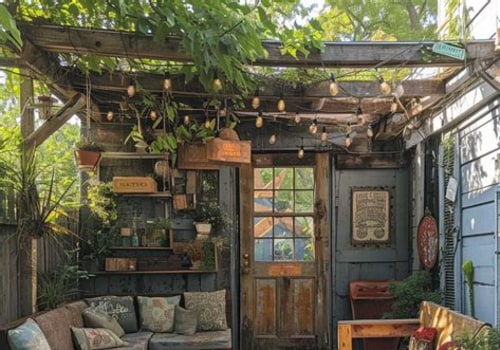
- Reclaimed Wood: Reclaimed wood from old barns, factories, or shipping pallets can be repurposed for garden beds, fences, or furniture. This not only prevents deforestation but also adds a rustic charm to your landscape.
- Native Plants: Choosing native plants for your garden is one of the most effective ways to promote sustainability. These plants are adapted to the local climate and soil conditions, requiring less water and maintenance while providing habitat for local wildlife.
- Permeable Paving: Implementing permeable paving solutions allows rainwater to infiltrate the ground rather than run off into storm drains. This helps recharge groundwater supplies and reduces erosion.
Options include permeable concrete, porous asphalt, and interlocking pavers.
How to Choose Sustainable Materials for Your Landscape Renovation
When embarking on a landscape renovation, selecting the right sustainable materials is crucial for creating an eco-friendly environment. Here are some key factors to consider:- Local Availability: Choose materials that are locally sourced to reduce transportation emissions and support local economies. This not only minimizes your carbon footprint but also ensures that the materials are well-suited to your region's climate.
- Durability: Opt for materials that are long-lasting and require minimal maintenance.
For instance, using recycled concrete for pathways or patios can provide a robust solution that withstands the elements while reducing waste.
- Water Efficiency: Consider materials that promote water conservation. For example, permeable pavers allow rainwater to seep through, reducing runoff and promoting groundwater recharge.
- Non-Toxic Options: Select materials that are free from harmful chemicals. This is particularly important for plants and soil amendments; look for organic fertilizers and pest control solutions that are safe for both the environment and human health.
For example, using reclaimed wood for garden beds or fences not only adds character but also reduces the demand for new timber. Finally, establish a budget that accommodates these sustainable choices. While some eco-friendly materials may have a higher upfront cost, they often lead to savings in maintenance and replacement over time. By investing in quality sustainable materials, you contribute to a healthier planet while enhancing the beauty of your landscape.
Incorporating Native Plants into Your Landscape Design
Incorporating native plants into your landscape renovation not only enhances the aesthetic appeal of your outdoor space but also promotes ecological balance. Native plants are those that naturally occur in a specific region, making them well-adapted to local climate and soil conditions.This adaptation leads to numerous benefits that can significantly improve your landscape.
Benefits of Using Native Plants
- Biodiversity Support: Native plants provide essential habitats for local wildlife, including birds, insects, and other pollinators. By integrating these species into your landscape, you contribute to the preservation of local ecosystems.
- Reduced Maintenance: Since native plants are adapted to the local environment, they typically require less water, fertilizer, and pesticides compared to non-native species. This not only saves you time and effort but also reduces your environmental footprint.
- Soil Health Improvement: Many native plants have deep root systems that help improve soil structure and prevent erosion. They also contribute to nutrient cycling, enhancing soil fertility over time.
How to Use Native Plants in Landscape Renovation
- Research Local Species: Start by identifying native plants that thrive in your area.
Local extension services or native plant societies can provide valuable resources and recommendations.
- Create a Planting Plan: Consider the layout of your landscape and how different native plants will interact with each other. Grouping plants with similar water and sunlight needs can create a more sustainable garden.
- Incorporate Variety: Use a mix of grasses, shrubs, and flowering plants to create visual interest and support diverse wildlife. Aim for a balance between perennials and annuals for year-round appeal.
- Monitor and Adjust: After planting, observe how the native species perform in your landscape. Be prepared to make adjustments as needed to ensure optimal growth and health.
Case Studies: Successful Sustainable Landscape Renovations
In recent years, numerous landscape renovation projects have successfully integrated sustainable materials, showcasing innovative approaches that not only enhance aesthetics but also promote environmental stewardship.Here are a few notable case studies:
1.The Urban Oasis Project
Located in the heart of a bustling city, the Urban Oasis Project transformed a neglected park into a vibrant community space. The renovation utilized recycled materials for pathways, incorporating crushed glass and reclaimed bricks. Native plants were introduced to reduce water usage and support local wildlife, creating a sustainable ecosystem.2.The Eco-Friendly Home Garden
A residential landscape renovation in a suburban neighborhood focused on sustainability by using locally sourced stone for retaining walls and walkways. The homeowners opted for permeable paving to manage stormwater runoff effectively.Additionally, they installed a rain garden filled with native plants, which not only beautified the space but also improved drainage and reduced flooding risks.
3.The Community Green Space Initiative
This initiative involved multiple stakeholders working together to revitalize an underutilized lot into a community garden. The project featured composting systems made from recycled materials and raised beds constructed from reclaimed wood. By engaging local residents in the design process, the initiative fostered a sense of ownership and responsibility towards maintaining the space sustainably.4.The Coastal Restoration Project
A coastal town undertook a landscape renovation aimed at restoring natural habitats while protecting against erosion. The project included planting native grasses and installing biodegradable erosion control mats made from coconut fibers.This approach not only stabilized the shoreline but also enhanced biodiversity by providing habitats for various species.These case studies illustrate that incorporating sustainable materials into landscape renovations is not only feasible but can lead to successful outcomes that benefit both the environment and the community. By learning from these examples, individuals and organizations can inspire their own eco-friendly landscape transformations.
Common Challenges and Solutions in Using Sustainable Materials
Incorporating sustainable materials into landscape renovation can present several challenges, but understanding these obstacles and their solutions can lead to a successful eco-friendly transformation.Common Challenges
- Availability of Sustainable Materials: One of the primary challenges is the limited availability of sustainable materials in certain regions. Local suppliers may not stock eco-friendly options, making it difficult for homeowners and landscapers to source what they need.
- Higher Initial Costs: Sustainable materials often come with a higher upfront cost compared to traditional options. This can deter individuals from choosing eco-friendly alternatives, especially if they are on a tight budget.
- Lack of Knowledge: Many homeowners may not be aware of the benefits or types of sustainable materials available.
This lack of knowledge can lead to hesitation in making informed decisions during the renovation process.
Practical Solutions
- Research Local Suppliers: To overcome the challenge of availability, conduct thorough research to find local suppliers who specialize in sustainable materials. Online directories and community forums can be valuable resources for identifying eco-friendly options nearby.
- Budgeting for Long-Term Savings: While the initial costs may be higher, emphasize the long-term savings associated with sustainable materials, such as reduced maintenance and lower utility bills. Creating a detailed budget that accounts for these savings can help justify the investment.
- Education and Workshops: Attend workshops or seminars focused on sustainable landscaping. These events can provide valuable insights into the benefits of using eco-friendly materials and offer practical tips for implementation.
FAQs About Sustainable Materials in Landscape Renovation
When considering sustainable materials for your landscape renovation, many questions may arise.Here are some frequently asked questions that can help clarify your understanding:
- What are sustainable materials?
Sustainable materials are those that are sourced and used in a way that minimizes environmental impact. This includes materials that are renewable, recyclable, or made from recycled content. - Why should I use sustainable materials in my landscape renovation?
Using sustainable materials helps reduce waste, conserves natural resources, and promotes biodiversity. It also enhances the aesthetic appeal of your landscape while contributing to a healthier ecosystem. - What types of sustainable materials can I use?
Common sustainable materials include:- Recycled concrete for pathways and patios
- Native plants that require less water and maintenance
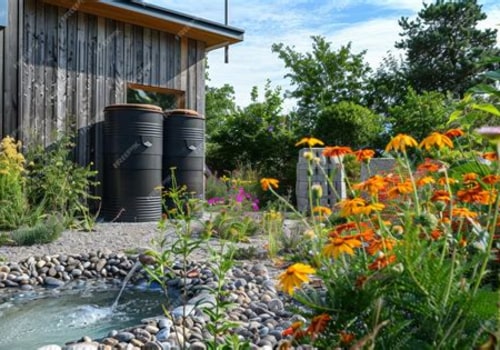
- Rain barrels for collecting rainwater
- Bamboo, a fast-growing renewable resource for fencing or decking
- Compost for enriching soil without chemical fertilizers
- How do I ensure the sustainability of the materials I choose?
Look for certifications such as FSC (Forest Stewardship Council) for wood products or check if the materials are locally sourced to reduce transportation emissions. Additionally, consider the lifecycle of the material from production to disposal. - Can I incorporate sustainable practices into my existing landscape?
Absolutely! You can start by replacing non-native plants with native species, using organic mulch, or installing permeable paving to improve water drainage and reduce runoff.
Conclusion: Embracing Sustainability in Your Landscape Renovation Journey
In conclusion, embracing sustainability in your landscape renovation journey is not just a trend; it is a necessity for the health of our planet and future generations.By integrating sustainable materials and practices into your landscape, you can create a beautiful, functional space that also respects the environment. Throughout this article, we have explored various strategies to incorporate sustainability into your landscape renovation. From selecting native plants that require less water and maintenance to using recycled materials for hardscaping, each choice contributes to a more eco-friendly environment. Additionally, implementing practices such as rainwater harvesting and composting can further enhance the sustainability of your landscape. As you embark on your renovation project, consider the following actionable steps:
- Assess Your Space: Evaluate your current landscape to identify areas where sustainable practices can be applied.
- Choose Native Plants: Opt for plants that are indigenous to your region, as they are better adapted to local conditions and require less water.
- Utilize Recycled Materials: Incorporate materials like reclaimed wood or recycled stone in your hardscaping to reduce waste.
- Implement Water-Saving Techniques: Install drip irrigation systems or rain gardens to manage water efficiently.
- Educate Yourself: Stay informed about sustainable landscaping practices through workshops or online resources.
As you move forward with your landscape renovation, let sustainability guide your decisions and inspire others in your community to follow suit.