In today's fast-paced world, the importance of a well-designed outdoor living space cannot be overstated.
Landscape renovation
serves as a transformative process that not only enhances the aesthetic appeal of your property but also significantly improves its functionality. By reimagining your outdoor areas, you can create inviting spaces that cater to relaxation, entertainment, and family gatherings, ultimately enriching your lifestyle. The concept of landscape renovation goes beyond mere beautification; it encompasses a strategic approach to utilizing available space effectively. Whether it's redesigning a garden, adding pathways, or incorporating outdoor furniture, each element plays a crucial role in crafting an environment that meets your needs.This renovation process allows homeowners to tailor their outdoor spaces to reflect personal style while ensuring they serve practical purposes. Moreover, the benefits of landscape renovation extend far beyond immediate visual improvements. A thoughtfully designed outdoor area can increase property value, enhance curb appeal, and promote sustainability through the use of native plants and eco-friendly materials. As you embark on this journey of transformation, consider how each aspect of your landscape can contribute to a cohesive and functional outdoor living space that you and your family will cherish for years to come.
Assessing Your Current Outdoor Space
Before embarking on a landscape renovation, it is essential to conduct a thorough assessment of your current outdoor space. This evaluation will help you identify both the strengths and weaknesses of your landscape, guiding you toward effective changes that enhance functionality and aesthetics.1.Identify Key Areas
- Functional Zones: Determine how you currently use your outdoor space.
Are there areas designated for entertaining, gardening, or relaxation? Understanding these zones will help you prioritize renovations.
- Traffic Flow: Observe how people move through your space. Are there pathways that are well-defined, or do they feel cluttered? A clear flow can significantly enhance usability.
2.Evaluate Landscape Features
- Plant Health: Assess the condition of existing plants. Are they thriving or struggling? Healthy plants can be integrated into your new design, while unhealthy ones may need removal or replacement.
- Hardscaping Elements: Take stock of patios, walkways, and walls. Are they in good condition? Consider whether these features complement your vision for the space.
3.Analyze Environmental Factors
- Sunlight Exposure: Note how much sunlight different areas receive throughout the day.
This will influence plant selection and placement in your renovation.
- Drainage Issues: Look for signs of poor drainage, such as standing water or erosion. Addressing these issues is crucial for a successful landscape renovation.
Defining Your Outdoor Living Goals
Creating a functional outdoor living space begins with clearly defining your outdoor living goals. Understanding the purpose of your outdoor area is essential, as it will guide every decision you make during the landscape renovation process.Start by asking yourself what you envision for your outdoor space.Do you want a serene retreat for relaxation, a vibrant area for entertaining guests, or perhaps a productive garden? Here are some common goals to consider:
- Entertainment: If hosting gatherings is a priority, think about incorporating features like a patio, outdoor kitchen, or fire pit. These elements can create an inviting atmosphere for friends and family.
- Relaxation: For those seeking tranquility, consider adding comfortable seating, water features, or shaded areas. Plants that promote a calming environment can also enhance this goal.
- Gardening: If you have a passion for plants, define whether you want a vegetable garden, flower beds, or a mix of both. This will influence the layout and soil preparation needed during renovation.
- Play Area: Families with children may prioritize creating a safe play area.
This could include installing soft grass, play structures, or even a sandbox.
By clearly defining your goals and understanding their interconnections, you can create a cohesive and functional outdoor living space that truly meets your needs.
Designing Your Landscape Renovation Plan
Creating a successful landscape renovation plan begins with a clear vision of your outdoor space. Start by assessing your current landscape and identifying areas that need improvement. Consider the functionality you desire, whether it’s a space for entertaining, gardening, or simply relaxing. Next, develop a landscape design plan that aligns with your goals. Here are some key steps to consider:- Define Your Goals: What do you want to achieve with your renovation? Make a list of priorities such as creating seating areas, adding pathways, or incorporating water features.
- Sketch Your Layout: Create a rough sketch of your yard.
Include existing structures and note where you want to place new elements. This will help visualize the flow and functionality of the space.
- Select Plants Wisely: Choose plants that suit your climate, soil type, and the amount of sunlight in different areas of your yard. Incorporate a mix of perennials and annuals for year-round interest.
- Choose Materials: The materials you select can greatly impact the overall aesthetic. Consider using natural stone for pathways or wooden decking for seating areas.
Ensure that the materials complement your home’s architecture.
With careful planning and creativity, your landscape renovation can transform your outdoor space into a functional and inviting retreat.
Incorporating Functional Elements into Your Design
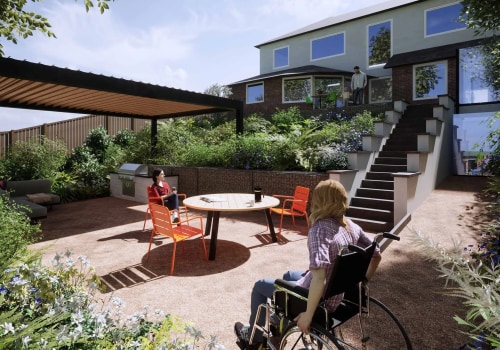
Creating a functional outdoor living space through landscape renovation involves integrating various elements that enhance both usability and aesthetic appeal. By carefully selecting and positioning these features, you can transform your yard into a welcoming retreat.- Seating Areas: Comfortable seating is essential for any outdoor space. Consider incorporating built-in benches, hammocks, or stylish outdoor furniture sets. Choose materials that withstand the elements, such as weather-resistant wicker or aluminum.
Position seating areas to take advantage of views or shade, creating inviting spots for relaxation and socializing.
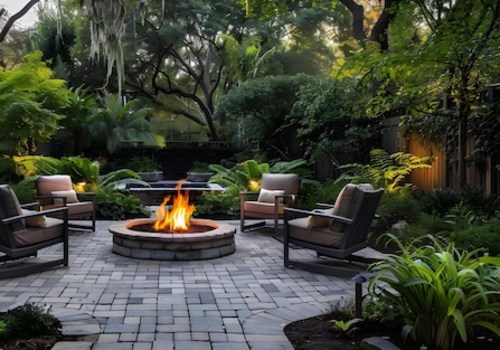
- Fire Pits: A fire pit serves as a focal point and extends the usability of your outdoor space into the cooler months. Whether you opt for a permanent stone structure or a portable fire bowl, ensure it is safely located away from flammable materials. Surround the fire pit with seating to create a cozy gathering area.
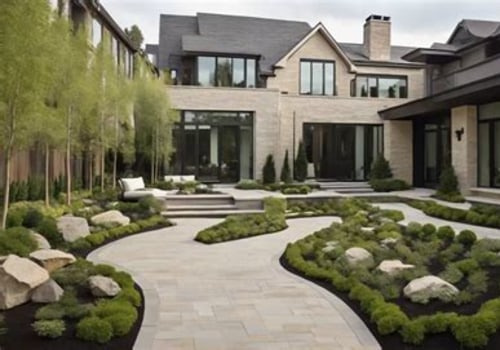
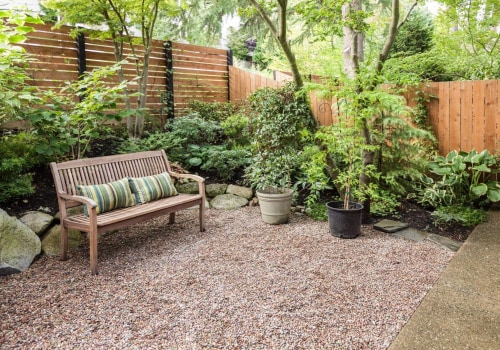
- Pathways: Well-defined pathways not only guide guests through your landscape but also enhance accessibility. Use materials like gravel, pavers, or natural stone to create durable and visually appealing walkways.
Incorporate lighting along these paths to improve safety and ambiance during evening gatherings.
- Landscaping Features: Incorporate functional landscaping features such as raised garden beds for growing herbs and vegetables, or trellises for climbing plants that provide shade. Water features like fountains or small ponds can add tranquility while attracting wildlife.
Choosing the Right Plants and Materials
Creating a functional outdoor living space through landscape renovation begins with the careful selection of plants and materials that align with your climate, aesthetic preferences, and sustainability goals. The right choices can enhance the beauty of your space while ensuring it remains low-maintenance and environmentally friendly.Plant Selection for Landscaping
When selecting plants, consider native species that thrive in your local climate.Native plants are adapted to the local environment, requiring less water and maintenance compared to non-native varieties. Additionally, they support local wildlife, including pollinators like bees and butterflies. Here are some tips for choosing the right plants:
- Assess Your Climate: Understand your hardiness zone to select plants that will flourish in your area.
- Consider Sunlight: Evaluate how much sunlight your space receives throughout the day to choose appropriate plants.
- Diversity is Key: Incorporate a mix of perennials, annuals, shrubs, and trees to create a dynamic landscape.
Materials for Outdoor Spaces
The materials you choose for hardscaping elements such as patios, walkways, and retaining walls play a crucial role in the overall functionality and aesthetic of your outdoor space. Opt for durable materials that complement your plant selections:- Natural Stone: Offers a timeless look and blends seamlessly with natural surroundings.
- Recycled Materials: Consider using reclaimed wood or recycled pavers to reduce environmental impact.
- Sustainable Options: Look for permeable paving solutions that allow water to infiltrate, reducing runoff and promoting groundwater recharge.
Sustainable Landscaping Options
Sustainability should be at the forefront of your landscape renovation project.Implementing eco-friendly practices not only benefits the environment but can also reduce long-term maintenance costs. Here are some sustainable landscaping options:
- Xeriscaping: Design your landscape to minimize water use by incorporating drought-resistant plants.
- Rain Gardens: Create areas that capture rainwater runoff, allowing it to soak into the ground rather than flow into storm drains.
- Composting: Use organic waste to enrich soil health, reducing the need for chemical fertilizers.
Implementing Your Landscape Renovation Plan
Successfully implementing your landscape renovation plan requires careful planning and execution. Whether you choose to tackle the project yourself or hire professionals, understanding the steps involved can make the process smoother and more efficient.DIY Landscaping Tips
- Start with a clear vision: Before you begin, sketch out your ideas. Consider elements like seating areas, pathways, and plant selections that align with your lifestyle.
- Set a realistic budget: Determine how much you can afford to spend on materials, tools, and any necessary permits.
Always include a buffer for unexpected expenses.
- Choose the right time: Timing is crucial in landscaping. Plan your renovation during the appropriate season for planting and construction to ensure optimal growth and establishment.
- Gather the right tools: Invest in or rent quality tools that will make your job easier. Essential tools may include shovels, rakes, wheelbarrows, and gardening gloves.
- Start small: If you're new to landscaping, consider starting with a small area. This allows you to gain experience without feeling overwhelmed.
Hiring Professionals for Landscaping
- Research local landscapers: Look for professionals with good reviews and a portfolio of past work.
Ask for recommendations from friends or family who have had successful renovations.
- Get multiple quotes: Don’t settle for the first estimate. Obtain at least three quotes to compare pricing and services offered.
- Check credentials: Ensure that the landscapers you consider are licensed and insured. This protects you from liability in case of accidents during the renovation.
- Communicate your vision: Clearly articulate your ideas and expectations to the professionals. Providing them with your sketches can help them understand your vision better.
Create a timeline that outlines each phase of the renovation, from initial design to final touches. Regularly check in on progress to ensure everything stays on track and within budget.
Maintaining Your Outdoor Living Space Post-Renovation
After investing time and resources into landscape renovation, it’s crucial to implement a robust maintenance plan to ensure your outdoor living space remains functional and beautiful. Regular care not only enhances the aesthetic appeal but also prolongs the life of your plants, hardscapes, and overall design.Seasonal Maintenance Tasks
- Spring: Begin with a thorough cleanup. Remove debris, dead leaves, and any winter damage.
This is also the ideal time to fertilize your soil and apply mulch to retain moisture.
- Summer: Focus on watering and weeding. Ensure that your plants receive adequate hydration, especially during dry spells. Regularly check for pests and diseases that can affect plant health.
- Fall: Prepare your landscape for winter by trimming back perennials and removing annuals. This is also a good time to plant bulbs for spring blooms and to apply a layer of mulch for insulation.
- Winter: Protect your outdoor space by covering delicate plants and ensuring that hardscapes are free from ice and snow buildup.
Regularly check for any damage caused by harsh weather conditions.
Caring for Outdoor Spaces
In addition to seasonal tasks, ongoing care is essential for maintaining the integrity of your landscape. Here are some tips:- Regular Pruning: Keep shrubs and trees well-trimmed to promote healthy growth and prevent overcrowding.
- Soil Health: Test your soil periodically to ensure it has the right pH and nutrient levels. Amend as necessary to support plant health.
- Irrigation Management: Consider installing a drip irrigation system or smart watering solutions to optimize water usage while keeping your plants hydrated.
- Pest Control: Use organic pest control methods whenever possible to protect beneficial insects while managing harmful pests.
Frequently Asked Questions About Landscape Renovation
When considering landscape renovation, many homeowners have questions about the process, costs, and best practices. Here are some frequently asked questions that can help guide your project.What is landscape renovation?
Landscape renovation involves updating or redesigning outdoor spaces to improve aesthetics, functionality, and sustainability.This can include planting new vegetation, installing hardscapes like patios and walkways, and enhancing existing features.
How much does landscape renovation cost?
The cost of landscape renovation varies widely based on factors such as the size of the area, the complexity of the design, and the materials used. On average, homeowners can expect to spend anywhere from $1,500 to $15,000 or more. It's essential to get multiple quotes from professionals to find a budget that works for you.What are some tips for a successful landscape renovation project?
- Plan Ahead: Take time to sketch out your ideas and consider how you want to use the space.
- Choose Native Plants: Opt for plants that thrive in your local climate to reduce maintenance and water usage.
- Incorporate Hardscaping: Adding features like paths, walls, or patios can enhance usability and visual appeal.
- Consider Lighting: Outdoor lighting can extend the usability of your space into the evening and highlight key features.
- Hire Professionals: If your project is extensive, consider hiring a landscape architect or designer for expert guidance.