When it comes to enhancing the overall appeal of your property, landscape renovation plays a pivotal role. This process involves reimagining and revitalizing your outdoor spaces to not only improve aesthetics but also to increase functionality and sustainability. Whether you are looking to sell your home or simply want to create a more inviting atmosphere, understanding landscape renovation is essential.
What is landscape renovation
? At its core, it encompasses a variety of practices aimed at transforming existing landscapes into more attractive and usable areas. This can include everything from planting new trees and shrubs to redesigning garden layouts and installing hardscapes like patios and walkways.The goal is to create a cohesive look that enhances the natural beauty of your property while also addressing any practical needs. The benefits of landscape renovation extend beyond mere aesthetics. A well-executed renovation can significantly boost your property value, making it more appealing to potential buyers. Additionally, thoughtful landscaping can improve energy efficiency by providing shade in the summer and windbreaks in the winter. Furthermore, incorporating native plants can promote biodiversity and reduce maintenance costs, making your outdoor space not only beautiful but also environmentally friendly.
Assessing Your Current Landscape
Before embarking on a landscape renovation, it’s essential to conduct a thorough landscape assessment.This process involves evaluating your current landscape to identify areas that require improvement and to understand the strengths and weaknesses of your outdoor space.
1.Observe Your Space
- Take a walk around your property at different times of the day to observe how sunlight and shade affect your plants and garden areas.
- Note any areas that feel cramped or uninviting, as well as spots that could benefit from additional greenery or color.
- Pay attention to the condition of existing plants, hardscapes, and features like pathways, patios, and fences.
2.Identify Problem Areas
- Look for signs of erosion, poor drainage, or overgrown vegetation that may detract from your landscape’s appeal.
- Assess the health of your plants; dead or dying plants can signal a need for replacement or redesign.
- Consider the functionality of your space. Are there areas that are underutilized? Could they be transformed into inviting seating areas or vibrant flower beds?
3.Gather Inspiration
Once you have a clear understanding of your current landscape, it’s time to explore landscape design ideas. Look for inspiration in gardening magazines, online platforms like Pinterest, or local botanical gardens. Consider how different elements such as:
- Color Schemes: Choose plants that complement each other and enhance the overall aesthetic.
- Textures: Incorporate a variety of plant textures to create visual interest.
- Hardscaping: Think about adding pathways, retaining walls, or decorative stones to enhance structure.
By understanding what you have and what you want to achieve, you can make informed decisions that will lead to a successful transformation.
Incorporating Native Plants
Incorporating native plants into your landscape renovation can significantly enhance the aesthetic appeal of your property while also providing numerous ecological benefits. Native plants are those that naturally occur in a specific region, making them well-adapted to the local climate and soil conditions.Benefits of Native Plants
- Low Maintenance: Once established, native plants require less water, fertilizer, and pest control compared to non-native species. This not only saves you time and effort but also reduces your environmental footprint.
- Biodiversity: By using native plants, you support local wildlife, including pollinators like bees and butterflies. This contributes to a healthier ecosystem and promotes biodiversity in your garden.
- Soil Health: Native plants often have deep root systems that improve soil structure and prevent erosion.
They also help retain moisture, reducing the need for irrigation.
- Aesthetic Appeal: Native plants offer unique beauty that reflects the natural landscape of your area. Their seasonal blooms and varied textures can create a visually stunning garden.
Landscaping with Native Plants
When planning your landscape renovation, consider incorporating a variety of native species to create layers and visual interest. Grouping plants with similar water and sunlight needs can simplify maintenance and enhance the overall health of your garden.Additionally, using native plants in your landscape design can increase your property value by appealing to environmentally conscious buyers. As more homeowners seek sustainable options, a garden filled with native flora can set your home apart in the real estate market.In conclusion, embracing landscape renovation through the use of native plants not only beautifies your outdoor space but also fosters a sustainable environment.
By choosing plants that thrive naturally in your area, you can create a low-maintenance, eco-friendly landscape that benefits both you and the local ecosystem.
Creating Functional Outdoor Spaces
Creating functional outdoor spaces is a key aspect of landscape renovation that not only enhances the aesthetic appeal of your home but also increases its usability. By designing areas that encourage outdoor living, you can transform your yard into a welcoming retreat.One of the most popular options for enhancing curb appeal is the addition of a well-designed patio. A patio serves as an extension of your indoor living space, providing a perfect spot for entertaining guests or enjoying family meals outdoors. When planning your patio, consider materials that complement your home’s architecture, such as natural stone, pavers, or stamped concrete.- Define the Purpose: Before you start designing, think about how you want to use the space.
Will it be for dining, lounging, or perhaps a fire pit area?
- Incorporate Seating: Comfortable seating is essential. Consider built-in benches or movable furniture that can be rearranged based on your needs.
- Add Shade: To make your outdoor space usable in various weather conditions, think about adding a pergola, awning, or large umbrellas.
Decks
are another excellent option for landscape renovation.They can elevate your outdoor experience by providing a raised platform that offers views of your garden or yard. When designing a deck, consider:
- Material Selection: Choose durable materials that withstand the elements while matching your home’s style.
- Lighting: Incorporate lighting features to extend usability into the evening hours.
- Landscaping Around the Deck: Use plants and flowers to soften the edges and create a seamless transition between the deck and surrounding landscape.
Implementing Hardscaping Elements
When considering landscape renovation, incorporating hardscaping elements can significantly enhance the overall appeal and functionality of your outdoor space. Hardscaping refers to the non-plant elements of landscaping, such as walkways, patios, retaining walls, and fences. These features not only provide structure but also add visual interest and can improve the usability of your yard.Walkways and Pathways
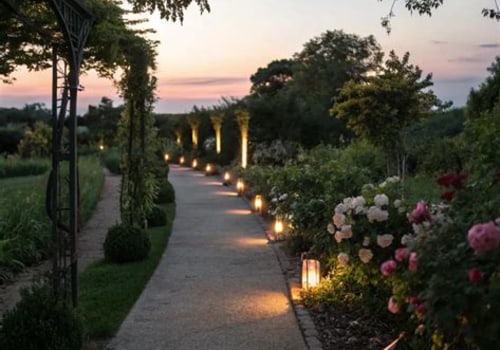
One of the most effective ways to add curb appeal is by installing well-designed walkways.Walkways guide visitors through your garden while creating a clear path to your front door. Materials like natural stone, brick, or pavers can be used to create a unique look that complements your home’s architecture. Consider adding lighting along the path for safety and ambiance during evening hours.
Retaining Walls
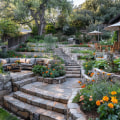
Retaining walls are another excellent hardscaping option that can transform sloped yards into usable spaces. They not only prevent soil erosion but also create tiered gardens that can be visually stunning.By using materials such as timber, stone, or concrete blocks, you can design a wall that fits seamlessly into your landscape while providing additional planting areas.
Fences and Privacy Screens
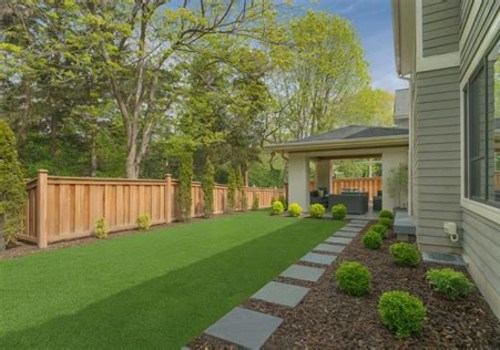
Fences serve both functional and aesthetic purposes in landscape renovation. They provide privacy, security, and can define property boundaries. Choose from a variety of materials like wood, vinyl, or wrought iron to match your home’s style. Additionally, decorative fences or trellises can support climbing plants, adding greenery and texture to your yard.The Benefits of Hardscaping
The benefits of incorporating hardscaping into your landscape renovation are numerous.Not only does it enhance the visual appeal of your property, but it also reduces maintenance needs by minimizing grassy areas that require mowing and watering. Furthermore, hardscaping can increase property value by creating a more inviting atmosphere for potential buyers.In conclusion, integrating hardscaping elements like walkways, retaining walls, and fences into your landscape renovation project can significantly boost curb appeal while providing practical benefits. By carefully selecting materials and designs that complement your home’s architecture, you can create an outdoor space that is both beautiful and functional.
Lighting for Curb Appeal
When it comes to landscape renovation, one of the most impactful elements to consider is landscape lighting. Properly designed outdoor lighting not only enhances the beauty of your home but also creates a warm and inviting atmosphere during the evening hours.Benefits of Landscape Lighting
- Increased Safety: Well-lit pathways and entryways reduce the risk of accidents, making it safer for family and guests to navigate your property at night.
- Enhanced Aesthetics: Highlighting architectural features, trees, and shrubs can transform your landscape into a stunning nighttime display, showcasing your home’s best attributes.
- Extended Usability: Outdoor spaces can be enjoyed long after the sun sets, allowing for evening gatherings and relaxation in beautifully illuminated surroundings.
- Increased Property Value: A well-lit landscape can significantly boost curb appeal, making your home more attractive to potential buyers.
Outdoor Lighting Ideas
- Pathway Lights: Install solar or low-voltage lights along walkways to guide visitors safely to your door.
- Spotlights: Use spotlights to accentuate trees, sculptures, or architectural features, creating focal points that draw the eye.
- String Lights: For a whimsical touch, hang string lights in trees or along fences to create a cozy ambiance for outdoor gatherings.
- Wall Sconces: Add sconces near entryways or on exterior walls to provide both illumination and style.
Not only does it improve safety and usability, but it also creates a welcoming environment that invites guests to linger and enjoy your outdoor spaces long into the night.
Maintaining Your Landscape Renovation
Maintaining a renovated landscape is crucial for preserving its beauty and enhancing your home's curb appeal. Regular care not only keeps your outdoor space looking fresh but also ensures that your plants thrive. Here are some essential landscape maintenance tips to help you keep your renovation in top shape:- Regular Watering: Ensure that your plants receive adequate water, especially during dry spells. Consider installing a drip irrigation system for efficient watering.
- Mulching: Apply a layer of mulch around plants to retain moisture, suppress weeds, and regulate soil temperature.
This simple step can significantly enhance the health of your landscape.
- Pruning and Trimming: Regularly prune shrubs and trees to maintain their shape and encourage healthy growth. This practice also prevents overgrowth that can detract from your landscape's appearance.
- Weed Control: Keep an eye out for weeds, as they can quickly take over and diminish the aesthetic of your landscape. Hand-pulling or using organic herbicides can be effective methods.
- Seasonal Clean-Up: At the end of each season, remove dead plants, leaves, and debris to keep your landscape tidy. This not only improves appearance but also prevents pests and diseases.
Each season brings unique challenges and opportunities:
- Spring: Focus on planting new flowers and shrubs, as well as fertilizing existing plants to promote growth.
- Summer: Monitor watering needs closely, especially during heat waves. Deadhead flowers to encourage more blooms.
- Fall: Prepare for winter by mulching and planting perennials. Clean up fallen leaves to prevent mold and pests.
- winter: Protect delicate plants with burlap or frost cloths, and plan for spring renovations or additions during the colder months.
Frequently Asked Questions about Landscape Renovation
When considering landscape renovation, many homeowners have questions about the process, costs, and best practices. Here are some frequently asked questions that can help clarify your understanding:- What is landscape renovation?
Landscape renovation involves updating or redesigning your outdoor space to improve its aesthetic appeal and functionality.This can include planting new trees and shrubs, installing hardscapes, or enhancing existing features.
- How much does landscape renovation typically cost?
The cost of landscape renovation varies widely based on the size of the area, the complexity of the design, and the materials used. On average, homeowners can expect to spend anywhere from $1,500 to $5,000 for a moderate renovation. - What are some tips for planning a successful landscape renovation?
Start by assessing your current landscape and identifying areas that need improvement. Consider factors such as sunlight, soil quality, and drainage. Create a budget and prioritize projects based on your goals. - How can I choose the right plants for my landscape?
Select plants that are suitable for your climate zone and soil type.Native plants are often a great choice as they require less maintenance and are more resilient to local pests and diseases.
- Is it necessary to hire a professional for landscape renovation?
While some homeowners may choose to tackle smaller projects themselves, hiring a professional landscaper can ensure that your renovation is done correctly and efficiently, especially for larger or more complex designs.
Conclusion: Transforming Your Home's Exterior with Landscape Renovation
In conclusion, landscape renovation is a powerful tool for enhancing your home's curb appeal and overall aesthetic. By implementing the strategies discussed, homeowners can create inviting and visually appealing exteriors that not only reflect personal style but also increase property value. Key elements of successful landscape renovation include:- Plant Selection: Choosing the right plants that thrive in your local climate can significantly enhance the beauty of your landscape. Opt for a mix of perennials, annuals, and shrubs to ensure year-round interest.
- Hardscaping Features: Incorporating elements such as pathways, patios, and retaining walls can add structure and functionality to your outdoor space. These features not only improve accessibility but also create visual interest.
- Lighting: Strategic outdoor lighting can highlight key features of your landscape while providing safety and ambiance during the evening hours.
Consider using solar lights along pathways or spotlights to illuminate trees and architectural elements.
- Maintenance: Regular upkeep is essential for maintaining the beauty of your landscape. This includes pruning, mulching, and seasonal planting to keep your garden looking its best.