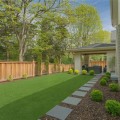
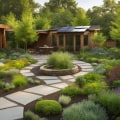
When embarking on a landscape renovation project, understanding the associated costs is essential for effective budgeting. The expenses can vary significantly based on the scope of the project, the materials chosen, and the labor required. A well-planned budget not only helps in managing finances but also ensures that your vision for your outdoor space is realized without unexpected financial strain. To create an accurate budget, start by breaking down the landscape renovation costs into key components. These typically include materials such as soil, plants, hardscaping elements like patios or walkways, and any necessary tools or equipment.
Labor costs can also be a significant portion of your budget, especially if you plan to hire professionals for installation or design. It's wise to obtain multiple quotes from contractors to ensure you are getting a fair price. Additionally, it’s crucial to account for unexpected expenses. During a renovation, unforeseen issues such as poor soil quality or hidden drainage problems may arise, leading to additional costs. Setting aside a contingency fund—typically around 10-20% of your total budget—can provide a safety net for these surprises.
By thoroughly understanding and planning for these various costs, you can create a realistic budget that allows you to enjoy your landscape renovation without financial stress.
Setting a Realistic Budget for Your Landscape Renovation
Creating a budget for your landscape renovation project is a crucial step that can significantly impact the outcome of your efforts. To begin, assess your financial situation and determine how much you can realistically allocate to this project without straining your finances.1.Define Your Goals
- Identify what you want to achieve with your landscape renovation. Are you looking to enhance curb appeal, create a functional outdoor space, or increase property value?
- Prioritize your goals to help guide your budget decisions. For instance, if increasing property value is paramount, you may want to invest more in high-quality materials.
2.Research Costs
- Gather estimates for various elements of your project, such as plants, hardscaping materials, and labor costs.
This will give you a clearer picture of the overall expenses involved.
- Consider reaching out to local landscaping professionals for quotes and advice on cost-effective solutions that align with your vision.
3.Create a Detailed Budget
- Break down your budget into categories: materials, labor, permits, and unexpected expenses. This will help you track spending more effectively.
- Include a contingency fund of about 10-20% of your total budget to cover unforeseen costs that may arise during the renovation process.
4.Align Expectations with Resources
- Be realistic about what you can achieve within your budget constraints. If your dream landscape exceeds your financial capabilities, consider scaling back or phasing the project over time.
- Communicate openly with any contractors or landscapers about your budget limitations to ensure they can provide options that fit within your financial plan.
Creating a Detailed Budget Plan
Creating a detailed budget plan for your landscape renovation project is crucial for ensuring that you stay on track financially. Here’s a step-by-step approach to help you develop a comprehensive budget.- Assess Your Needs and Goals: Start by identifying what you want to achieve with your landscape renovation.
Are you looking to enhance curb appeal, create a functional outdoor space, or improve sustainability? Clearly defining your goals will help you prioritize spending.
- Itemize Costs: Break down the project into specific components. Common categories include:
- Design Fees: If you're hiring a landscape designer, include their fees in your budget.
- Materials: List all materials needed such as soil, plants, mulch, and hardscaping elements like stones or pavers.
- Labor Costs: If you're hiring professionals for installation, estimate labor costs based on quotes from contractors.
- Permits and Fees: Check if your project requires any permits and include those costs.
- Allocate Funds: Once you have itemized costs, allocate funds to each category. Be realistic about what you can afford and consider setting aside an additional 10-15% for unexpected expenses.
- Create a Landscaping Budget Template: Use a simple spreadsheet or budgeting software to track your expenses. Include columns for estimated costs, actual costs, and notes on each item.
This will help you monitor spending throughout the project.
- Review and Adjust: Regularly review your budget as the project progresses. If you find that certain areas are over or under budget, adjust accordingly. Flexibility is key to staying within your financial limits.
Finding Cost-Effective Solutions for Landscape Renovation
When embarking on a landscape renovation project, finding cost-effective solutions is essential to keep your budget in check while still achieving a beautiful outdoor space. Here are some strategies to consider:- Prioritize Your Needs: Start by identifying the most important elements of your landscape renovation.
Focus on features that will enhance your outdoor experience, such as seating areas, pathways, or gardens, and allocate your budget accordingly.
- DIY Projects: One of the best ways to save money is by taking on some of the work yourself. Simple tasks like planting flowers, mulching, or building raised garden beds can be done with minimal tools and effort.
- Native Plants: Incorporating native plants into your landscape design can significantly reduce costs. These plants are adapted to your local climate and soil conditions, requiring less water and maintenance over time.
- Repurpose Materials: Look around your property for materials that can be reused. Old bricks, stones, or wood can be transformed into beautiful features like borders or pathways without the need for new purchases.
- Shop Smart: When purchasing plants or materials, consider shopping at local nurseries or garden centers during off-peak seasons.
Many offer discounts on plants that are out of season or slightly damaged.
Sticking to Your Budget During the Renovation Process
Sticking to your budget during a landscape renovation project can be challenging, but with the right strategies, you can manage your costs effectively. Here are some practical tips to help you stay on track:- Create a Detailed Budget: Start by outlining all potential expenses, including materials, labor, and unexpected costs. Break down each category to get a clearer picture of where your money will go.
- Track Your Expenses: Use budgeting software or a simple spreadsheet to monitor your spending.
Regularly update it with actual costs to see how they compare to your initial estimates.
- Prioritize Your Needs: Identify which elements of your landscape renovation are essential and which are optional. Focus on completing the necessary tasks first, and consider postponing non-essential features until you have more funds available.
- Set Aside a Contingency Fund: Allocate 10-20% of your total budget for unexpected expenses. This buffer can help you avoid financial strain if costs exceed your initial estimates.
- Communicate with Contractors: If you're hiring professionals, maintain open lines of communication about your budget constraints. A good contractor will work with you to find cost-effective solutions without compromising quality.
- Avoid Impulse Purchases: It’s easy to get carried away with beautiful plants or decorative features.
Stick to your plan and resist the temptation to make unplanned purchases that can derail your budget.
Dealing with Unexpected Costs in Landscape Renovation
When embarking on a landscape renovation project, one of the most significant challenges homeowners face is managing unexpected costs. These surprises can arise from various sources, including unforeseen site conditions, changes in material prices, or even design modifications.To effectively handle these budget surprises, it’s crucial to implement a robust financial strategy.
Establishing a Contingency Fund
- One of the best ways to prepare for unexpected expenses is to set aside a contingency fund. This fund should ideally be 10-20% of your total renovation budget. By doing so, you create a financial buffer that can absorb any unplanned costs without derailing your entire project.
Identifying Potential Risks
- Before starting your landscape renovation, conduct a thorough assessment of your property. Look for potential issues such as poor drainage, soil quality problems, or existing infrastructure that may need repairs.
Identifying these risks early can help you allocate funds more effectively.
- Consult with professionals who can provide insights into common pitfalls in landscape projects. Their experience can guide you in anticipating costs that may not be immediately obvious.
Flexibility in Design Choices
- Be prepared to adjust your design plans if unexpected costs arise. For instance, if you discover that certain materials are significantly more expensive than anticipated, consider alternative options that still meet your aesthetic goals but fit better within your budget.
- Having flexibility in your design allows you to pivot without compromising the overall vision of your landscape renovation.
Regular Budget Reviews
- Throughout the renovation process, conduct regular reviews of your budget. This practice helps you stay informed about where your money is going and allows you to make adjustments as needed.
If you notice that certain areas are exceeding their budgets, you can take proactive steps to mitigate further costs.
FAQs About Budgeting for Landscape Renovation Projects
When planning a landscape renovation, budgeting can often feel overwhelming. Here are some frequently asked questions that can help clarify the process and provide guidance.What are the typical costs associated with landscape renovation?
The costs of a landscape renovation can vary widely based on several factors, including the size of the area, the complexity of the design, and the materials used. On average, homeowners can expect to spend anywhere from $1,500 to $15,000 or more. Key expenses include:- Design fees: Hiring a professional landscape designer can range from $50 to $150 per hour.
- Materials: Plants, soil, mulch, and hardscaping materials can add up quickly.
- Labor: Professional landscaping services typically charge between $50 and $100 per hour.
How can I create a realistic budget for my landscape renovation?
To create a realistic budget, start by determining your overall spending limit.Break down your budget into categories such as design, materials, and labor. Consider the following tips:
- Research: Gather quotes from multiple contractors to understand market rates.
- Prioritize: Identify which elements of your renovation are most important to you and allocate funds accordingly.
- Contingency fund: Set aside 10-20% of your budget for unexpected expenses.
What should I do if my renovation costs exceed my budget?
If you find that your costs are exceeding your budget, consider these strategies:- Scale back: Reassess your plans and eliminate non-essential features.
- DIY options: Take on some tasks yourself to save on labor costs.
- Phased approach: Implement your renovation in stages to spread out costs over time.