Landscape renovation is a transformative process that goes beyond mere aesthetics; it involves reimagining and revitalizing outdoor spaces to enhance their functionality, sustainability, and beauty. As urban areas expand and environmental concerns grow, the need for thoughtful landscape renovation becomes increasingly critical. This practice not only addresses the visual appeal of a property but also contributes to ecological health, making it a vital consideration for homeowners and communities alike. At its core, landscape renovation encompasses a variety of activities, from redesigning garden layouts to implementing sustainable practices that promote biodiversity. By focusing on native plants, water-efficient irrigation systems, and organic maintenance methods, landscape renovation can significantly reduce environmental impact while creating inviting outdoor spaces.
The benefits are manifold: improved air quality, enhanced wildlife habitats, and increased property value are just a few of the positive outcomes associated with this approach. Moreover, embracing eco-friendly options in landscape renovation not only aligns with contemporary sustainability goals but also fosters a deeper connection between people and nature. As we face challenges such as climate change and habitat loss, rethinking our landscapes becomes essential. By investing in thoughtful renovations, we can create resilient environments that support both human activity and the natural world.
The Importance of Eco-Friendly Practices in Landscape Renovation
In today's world, the significance of eco-friendly practices in landscape renovation cannot be overstated. As homeowners seek to enhance their outdoor spaces, it is essential to consider the environmental impact of landscaping choices.Sustainable landscaping not only beautifies properties but also contributes positively to the ecosystem.One of the primary reasons for adopting eco-friendly practices is the reduction of environmental impact. Traditional landscaping often involves the use of harmful chemicals, excessive water consumption, and non-native plants that can disrupt local ecosystems. In contrast, sustainable landscaping promotes the use of native plants, which require less water and are more resilient to local pests and diseases. This approach minimizes the need for chemical fertilizers and pesticides, leading to healthier soil and a more balanced ecosystem.Moreover, eco-friendly landscape renovation can significantly enhance property value.
Homebuyers are increasingly looking for properties that reflect sustainability and environmental consciousness. By incorporating features such as rain gardens, permeable paving, and xeriscaping, homeowners can create attractive outdoor spaces that appeal to eco-minded buyers.Additionally, sustainable landscaping practices can lead to long-term cost savings. By utilizing drought-resistant plants and efficient irrigation systems, homeowners can reduce their water bills while maintaining a vibrant landscape. Furthermore, native plants typically require less maintenance, allowing homeowners to save on gardening costs over time.In conclusion, embracing eco-friendly practices in landscape renovation is not just a trend; it is a necessary step towards creating a sustainable future.
By prioritizing environmental health and making informed choices, homeowners can enjoy beautiful landscapes that benefit both their properties and the planet.
Native Plants: A Sustainable Choice
When considering landscape renovation, one of the most impactful choices you can make is to incorporate native plants. These plants are naturally adapted to the local climate and soil conditions, making them an ideal choice for sustainable gardening.Benefits of Native Plants
- Low Maintenance: Native plants typically require less water, fertilizer, and pesticides compared to non-native species. This not only saves time and effort but also reduces the environmental impact associated with landscape maintenance.
- Biodiversity Support: By using native plants, you help support local wildlife, including pollinators like bees and butterflies. These plants provide essential habitats and food sources that are crucial for maintaining healthy ecosystems.
- Soil Health: Native plants often have deep root systems that improve soil structure and health.
They help prevent erosion and promote water infiltration, which is beneficial for both the landscape and surrounding waterways.
- Climate Resilience: As they are adapted to local conditions, native plants are more resilient to pests, diseases, and extreme weather events. This resilience makes them a smart choice for long-term landscape sustainability.
Water Conservation Techniques in Landscape Renovation
In the realm of landscape renovation, implementing effective water conservation techniques is essential for creating sustainable outdoor spaces. These methods not only reduce water usage but also promote healthier ecosystems.Xeriscaping
Xeriscaping is a landscaping approach designed to minimize water consumption.This technique involves selecting native and drought-resistant plants that thrive in local climates, thereby reducing the need for irrigation. Key principles of xeriscaping include:
- Soil Improvement: Enhancing soil quality with organic matter helps retain moisture.
- Plant Selection: Choosing plants that require less water, such as succulents and native grasses, can significantly lower water needs.
- Mulching: Applying mulch around plants helps reduce evaporation and suppress weeds.
Efficient Irrigation Systems
Another vital aspect of water conservation landscaping is the implementation of efficient irrigation systems. Traditional sprinkler systems often lead to water wastage due to evaporation and runoff. Here are some modern solutions:- Drip Irrigation: This system delivers water directly to the plant roots, minimizing waste and ensuring that each plant receives adequate moisture.
- Timers and Sensors: Installing timers or moisture sensors can optimize watering schedules based on weather conditions, preventing overwatering.
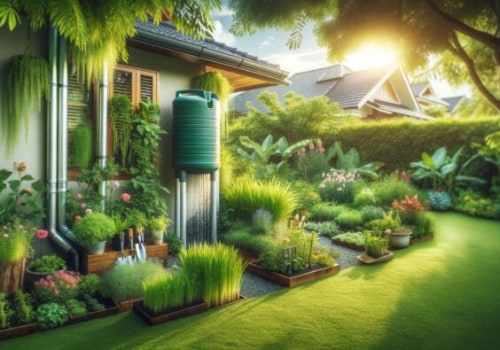
- Rainwater Harvesting: Collecting rainwater in barrels for irrigation purposes not only conserves water but also reduces utility costs.
Embracing practices like xeriscaping and efficient irrigation not only conserves precious resources but also enhances the resilience of gardens against climate variability.
Soil Health and Organic Practices
Maintaining soil health is a cornerstone of successful landscape renovation, particularly when aiming for eco-friendly outcomes. Healthy soil not only supports plant growth but also contributes to the overall ecosystem by enhancing biodiversity and improving water retention. To achieve this, incorporating organic practices and amendments is essential.Organic Soil Amendments
- Compost: Adding well-decomposed compost enriches the soil with nutrients, improves soil structure, and promotes beneficial microbial activity.
- Mulch: Organic mulches, such as wood chips or straw, help retain moisture, suppress weeds, and gradually break down to enhance soil fertility.
- Green Manures: Planting cover crops like clover or vetch during off-seasons can fix nitrogen in the soil and prevent erosion.
Sustainable Soil Practices
- No-Till Gardening: Reducing tillage preserves soil structure and minimizes disruption to the ecosystem, allowing beneficial organisms to thrive.
- Crop Rotation: Rotating different plant families can prevent nutrient depletion and reduce pest and disease cycles.
- Soil Testing: Regularly testing soil pH and nutrient levels helps tailor amendments to specific needs, ensuring efficient use of resources.
Sustainable Hardscaping Options
When considering landscape renovation, incorporating sustainable hardscaping options can significantly enhance the aesthetic and environmental value of your outdoor space.These materials not only contribute to a beautiful landscape but also promote ecological responsibility.
Eco-Friendly Paving Options
One of the most effective ways to achieve a sustainable landscape is through the use of eco-friendly paving options. Traditional concrete and asphalt can contribute to urban heat islands and poor drainage. Instead, consider alternatives such as:- Recycled Concrete: This material repurposes old concrete, reducing waste and the need for new resources.
- Permeable Pavers: These allow water to infiltrate through the surface, reducing runoff and promoting groundwater recharge.
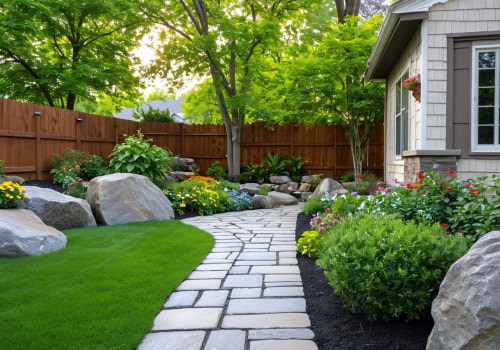
- Natural Stone: Sourced sustainably, natural stone provides durability and a timeless look while minimizing environmental impact.
Permeable Surfaces
Permeable surfaces are essential in sustainable hardscaping as they help manage stormwater effectively. By allowing rainwater to pass through, these surfaces reduce flooding and erosion while filtering pollutants.Some popular options include:
- Grass Pavers: These systems support grass growth while providing a stable surface for vehicles and foot traffic.
- Porous Asphalt: This innovative material allows water to drain through, making it ideal for driveways and parking areas.
- Interlocking Concrete Blocks: Designed with gaps that allow water to flow between them, these blocks are both functional and visually appealing.
Incorporating Edible Landscaping into Your Renovation
Incorporating edible landscaping into your landscape renovation not only enhances the aesthetic appeal of your outdoor space but also promotes sustainability and provides a source of fresh food. By integrating edible plants into your design, you can create a beautiful and functional garden that benefits both the environment and your household.Here are some edible landscaping ideas to consider:- Fruit Trees: Planting dwarf fruit trees such as apple, peach, or cherry can add height and structure to your landscape while providing delicious fruit.
- Herb Gardens: Incorporate herbs like basil, rosemary, and thyme into your flower beds or borders. They not only enhance the flavor of your meals but also attract beneficial insects.
- Vegetable Beds: Designate a section of your yard for raised vegetable beds.
This can be a focal point in your garden while supplying fresh produce.
- Berry Bushes: Planting berry bushes such as blueberries or raspberries can create a lush hedge that offers privacy and delicious snacks.
- Reduce Carbon Footprint: Growing your own food decreases reliance on store-bought produce, which often involves significant transportation emissions.
- Enhance Biodiversity: Edible plants can attract a variety of pollinators and beneficial insects, contributing to a healthier ecosystem.
- Provide Educational Opportunities: Involving children or community members in growing food can foster a greater appreciation for nature and sustainability.
Creating Wildlife Habitats Through Landscape Renovation
Incorporating wildlife habitats into your landscape renovation project not only enhances the beauty of your garden but also supports local ecosystems. By creating spaces that cater to various species, you can promote biodiversity and contribute to ecological balance.1.Native Plant Selection
- Choose native plants that are well-adapted to your local climate and soil conditions.
These plants provide essential food and shelter for local wildlife.
- Consider incorporating a mix of flowering plants, shrubs, and trees to create layers in your garden, which can attract a variety of species.
2.Water Features
- Adding a small pond or birdbath can create a vital water source for birds, insects, and other wildlife. Ensure that the water feature is shallow enough for smaller animals to access safely.
- Include native aquatic plants around the edges to provide cover and breeding grounds for amphibians and insects.
3.Shelter and Nesting Sites
- Create natural shelters using logs, rocks, or brush piles. These structures offer refuge for small mammals and insects.
- Install birdhouses or bat boxes to encourage nesting and habitation by local bird and bat populations, which can help control pests in your garden.
4.Avoid Pesticides
- Minimize or eliminate the use of chemical pesticides and herbicides, as these can harm beneficial insects and disrupt the food chain.
- Instead, consider organic gardening practices that promote natural pest control through biodiversity.
FAQs About Eco-Friendly Landscape Renovation
When considering eco-friendly landscape renovation, many homeowners have questions about the best practices and materials to use.Here are some frequently asked questions that can help guide your sustainable gardening efforts.
What are the benefits of eco-friendly landscape renovation?
Eco-friendly landscape renovation offers numerous benefits, including:- Reduced environmental impact: Using native plants and organic materials minimizes harm to local ecosystems.
- Water conservation: Implementing xeriscaping techniques can significantly reduce water usage.
- Improved biodiversity: Creating habitats for local wildlife supports a balanced ecosystem.
- Lower maintenance costs: Sustainable landscapes often require less upkeep, saving time and money in the long run.
How do I choose native plants for my landscape?
Selecting native plants is crucial for a successful eco-friendly landscape. Consider the following tips:- Research local flora: Identify plants that thrive in your region's climate and soil conditions.
- Consult local nurseries: They can provide guidance on which native species are best suited for your area.
- Diversity is key: Incorporate a variety of plants to create a resilient ecosystem that can withstand pests and diseases.
What materials should I avoid in eco-friendly landscaping?
Avoid materials that can harm the environment, such as:- Synthetic fertilizers and pesticides: These can leach into waterways and disrupt local ecosystems.
- Non-recyclable materials: Opt for sustainable options like reclaimed wood or recycled stone instead of new, non-renewable resources.
- Invasive plant species: These can outcompete native plants and disrupt local habitats.
Conclusion: Embracing Sustainable Landscape Renovation Practices
In conclusion, landscape renovation offers a unique opportunity to enhance the beauty of our outdoor spaces while also prioritizing environmental sustainability. Throughout this article, we have explored various eco-friendly options that not only improve the aesthetic appeal of your landscape but also contribute positively to the ecosystem. By incorporating native plants, you can create a vibrant garden that requires less water and maintenance, ultimately reducing your carbon footprint. Additionally, utilizing organic materials for soil enhancement and pest control ensures that your landscape remains healthy without the harmful effects of synthetic chemicals. Moreover, implementing sustainable practices such as rainwater harvesting and permeable paving can significantly reduce runoff and promote groundwater recharge.These methods not only protect local waterways but also create a more resilient landscape that can withstand climate fluctuations. As you consider your own landscape renovation projects, remember that every small change can lead to significant environmental benefits. Here are some key takeaways to keep in mind:
- Choose native plants: They require less water and are better suited to local conditions.
- Use organic materials: Opt for compost and natural fertilizers to enrich your soil.
- Implement water-saving techniques: Consider drip irrigation or rain gardens to manage water efficiently.
- Reduce lawn areas: Replace traditional lawns with ground covers or hardscaping to minimize maintenance and resource use.