Landscape renovation is a transformative process that revitalizes outdoor spaces, enhancing both their aesthetic appeal and functionality. It involves a thoughtful redesign of existing landscapes, taking into account the unique characteristics of the environment and the preferences of homeowners. By focusing on landscape renovation, individuals can create a harmonious balance between nature and design, resulting in spaces that are not only beautiful but also sustainable. The importance of landscape renovation extends beyond mere visual enhancement. It offers numerous benefits, such as improving property value, increasing energy efficiency, and promoting biodiversity.
A well-planned landscape can reduce water usage through the incorporation of native plants and efficient irrigation systems, while also providing habitats for local wildlife. Furthermore, engaging in landscape renovation can foster a deeper connection with nature, encouraging outdoor activities and enhancing overall well-being. As we explore the various ways to incorporate seasonal elements into a renovated landscape, it becomes clear that these elements play a crucial role in maintaining interest and vibrancy throughout the year. Seasonal changes can influence plant selection, color schemes, and even outdoor furniture choices, allowing homeowners to create dynamic environments that evolve with the seasons. Understanding how to effectively integrate these aspects into landscape renovation not only enhances the beauty of outdoor spaces but also ensures they remain functional and inviting all year round.
The Importance of Seasonal Elements in Landscaping
Incorporating seasonal elements into your landscape renovation is essential for creating a dynamic and engaging outdoor space.These elements not only enhance the visual appeal of your garden but also contribute to its ecological health and your personal enjoyment.
Why Seasonal Elements Matter
Seasonal elements bring a sense of change and excitement to your landscape. As the seasons shift, so do the colors, textures, and scents of your garden. This transformation can evoke different emotions and experiences throughout the year, making your outdoor space feel alive and vibrant.Benefits of Seasonal Landscaping
- Aesthetic Appeal: By selecting plants that bloom in different seasons, you can ensure that your landscape remains visually interesting year-round. For instance, spring bulbs like tulips and daffodils can give way to summer perennials such as coneflowers and black-eyed Susans, followed by the rich hues of autumn foliage.
- Biodiversity: Incorporating a variety of plants that thrive in different seasons promotes biodiversity.
This diversity can attract various pollinators and beneficial insects, enhancing the overall health of your garden ecosystem.
- Year-Round Enjoyment: Seasonal landscaping allows you to enjoy your outdoor space in new ways throughout the year. Whether it’s a cozy winter garden with evergreens or a vibrant summer patio filled with blooming flowers, each season offers unique opportunities for relaxation and recreation.
- Environmental Benefits: Seasonal plants can help manage local climates by providing shade in the summer and insulation in the winter. Additionally, they can improve soil health and reduce erosion through their root systems.
Choosing Seasonal Plants for Your Landscape
Incorporating seasonal plants into your landscape renovation can significantly enhance the visual appeal of your outdoor space throughout the year.By selecting a variety of plants that bloom in different seasons, you can create a dynamic landscape that evolves with the changing weather.
Choosing the Right Seasonal Plants
When selecting plants for your landscape, consider the following categories:
- Perennials: These plants return year after year, providing a reliable foundation for your garden. Look for varieties like daylilies, hostas, and coneflowers, which offer vibrant blooms in spring and summer.
- Annuals: Annuals are perfect for adding bursts of color. They complete their life cycle in one growing season, allowing for flexibility in your design. Popular choices include petunias, marigolds, and zinnias.
- Seasonal Flowers: Incorporate flowers that bloom at specific times of the year.
For instance, dahlias and asters can brighten up late summer and fall, while pansies and snapdragons are excellent for early spring displays.
Best Practices for Plant Selection
To ensure a successful landscape renovation, keep these tips in mind:
- Assess Your Climate: Choose plants that are well-suited to your local climate and soil conditions. Native plants often thrive best.
- Diversity is Key: Mix different types of plants to create layers and textures. This not only enhances aesthetics but also supports local wildlife.
- Plan for Year-Round Interest: Select a combination of early bloomers, mid-season stars, and late-season showstoppers to maintain visual interest throughout the year.
Incorporating Seasonal Hardscaping Features
Incorporating seasonal hardscaping features into your landscape renovation can significantly enhance the aesthetic appeal and functionality of your outdoor space throughout the year. By selecting the right materials and designs, you can create a landscape that not only looks beautiful but also adapts to seasonal changes.Patios and Decks
Consider installing a patio or deck that complements your home’s architecture while providing a versatile space for outdoor activities.Natural stone or composite decking are excellent choices, as they can withstand various weather conditions. In the summer, these areas can serve as gathering spots for barbecues, while in the fall, they can be adorned with cozy seating and fire pits to enjoy the crisp air.
Walkways
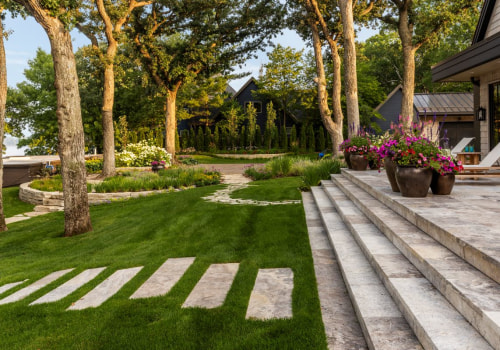
Walkways are essential for guiding visitors through your landscape. Using permeable pavers or decorative gravel allows for effective drainage while adding visual interest. In winter, these paths can be easily cleared of snow, ensuring safe passage.Consider integrating seasonal plantings along the edges to provide color and texture that change with the seasons.
Retaining Walls
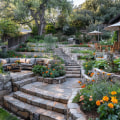
Retaining walls not only serve a functional purpose by preventing soil erosion but also add depth to your landscape design. Choose materials like brick, natural stone, or concrete blocks, which can be enhanced with seasonal plantings such as perennials or ornamental grasses. These elements will provide visual interest year-round, with flowers blooming in spring and vibrant foliage in autumn.Seasonal Outdoor Features
- Fire Pits: A fire pit can be a focal point in your landscape, perfect for chilly evenings in fall and winter.
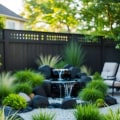
- Water Features: Incorporate a pond or fountain that can be enjoyed in warmer months and frozen into a stunning ice sculpture in winter.
- Lighting: Use outdoor lighting to highlight hardscaping features during darker months, creating a warm ambiance.
Creating Seasonal Outdoor Living Spaces
Designing outdoor living spaces that can adapt to the changing seasons is essential for maximizing enjoyment and comfort throughout the year.Here are some effective strategies to create versatile outdoor areas that enhance your landscape renovation.
Furniture Selection
Choosing the right furniture is crucial for seasonal adaptability. Opt for weather-resistant materials such as teak, aluminum, or synthetic wicker that can withstand various weather conditions. Consider modular furniture that can be easily rearranged or stored away during off-seasons. Additionally, incorporating cushions and throws in seasonal colors can add warmth and style, making your space inviting in colder months.Shade Structures
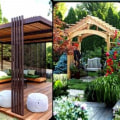
To enjoy your outdoor space during the hot summer months, consider installing shade structures.Options like pergolas, awnings, or retractable canopies provide relief from the sun while allowing you to enjoy the outdoors. Adding climbing plants or curtains can enhance these structures, creating a cozy atmosphere that changes with the seasons.
Heating Options
To extend the usability of your outdoor living area into the cooler months, invest in heating solutions. Fire pits, outdoor heaters, or built-in fireplaces not only provide warmth but also create a focal point for gatherings. Choose portable options if you want flexibility in your layout or permanent installations for a more integrated look.Seasonal Decor
Incorporating seasonal decor can transform your outdoor space throughout the year.Use planters filled with seasonal flowers or foliage to add color and life. During fall, consider adding pumpkins and gourds; in winter, evergreen arrangements can bring a festive touch. This not only enhances the aesthetic but also keeps your landscape feeling fresh and inviting.By thoughtfully integrating these elements into your landscape renovation, you can create seasonal outdoor living spaces that are both functional and beautiful, allowing you to enjoy nature's beauty all year round.
Seasonal Maintenance Tips for Your Renovated Landscape
Maintaining a renovated landscape requires attention to seasonal changes, ensuring that your outdoor space remains healthy and vibrant throughout the year. Here are some essential seasonal maintenance tips to keep your landscape in top shape:Spring Care
- Pruning: Early spring is the ideal time to prune trees and shrubs.
Remove any dead or damaged branches to promote healthy growth.
- Mulching: Apply a fresh layer of mulch around plants and flower beds. This helps retain moisture, suppress weeds, and regulate soil temperature.
- Fertilizing: As plants begin to wake from dormancy, apply a balanced fertilizer to provide essential nutrients for robust growth.
Summer Care
- Watering: Ensure your landscape receives adequate water during the hot summer months. Deep watering encourages root growth and drought resistance.
- Pest Control: Monitor for pests and diseases. Use organic treatments when possible to protect beneficial insects.
- Weeding: Regularly check for weeds that can compete with your plants for nutrients and water.
Hand-pulling or using mulch can help manage this.
Fall Care
- Leaf Cleanup: Rake fallen leaves to prevent them from smothering grass and plants. Composting leaves can also enrich your soil.
- Planting: Fall is an excellent time for planting perennials, trees, and shrubs, allowing them to establish roots before winter.
- Winter Preparation: Protect delicate plants with burlap or mulch to insulate them against freezing temperatures.
Winter Care
- Snow Management: If you live in a snowy area, be cautious when shoveling snow around plants. Avoid piling snow on top of them.
- Planning: Use the winter months to plan any future renovations or changes to your landscape. Consider what worked well and what could be improved.
Incorporating Seasonal Decorations and Accessories
Incorporating seasonal decorations and accessories into your landscape renovation can significantly enhance the visual appeal of your outdoor space throughout the year.By thoughtfully selecting elements that reflect the changing seasons, you can create a dynamic environment that feels fresh and inviting.
Seasonal Lighting
One of the most effective ways to add seasonal flair is through outdoor lighting. String lights, lanterns, and solar-powered garden lights can transform your landscape into a magical space during the evenings. For winter, consider using warm white lights to create a cozy atmosphere, while in spring and summer, colorful LED lights can add a festive touch for gatherings.Planters and Containers
Utilizing seasonal planters is another excellent way to incorporate seasonal elements. Choose containers that complement your landscape design and fill them with seasonal flowers or foliage.For example:
- Spring: Bright tulips and daffodils can bring life back to your garden.
- Summer: Vibrant petunias and geraniums add color and texture.
- Fall: Mums and ornamental grasses create a warm autumn feel.
- Winter: Evergreens and holly provide structure and color during the colder months.
Decorative Accessories
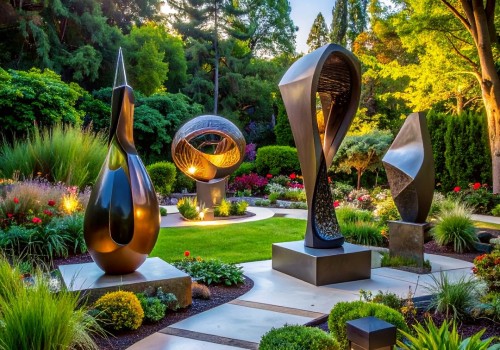
In addition to lighting and planters, consider adding decorative accessories that reflect the season. Items such as:- Garden sculptures: Choose pieces that resonate with seasonal themes, like snowmen in winter or butterflies in spring.
- Banners and flags: Seasonal flags can be an easy way to celebrate holidays or seasonal changes.
- Pillows and throws: If you have outdoor seating areas, use cushions in seasonal colors or patterns to enhance comfort and style.
FAQs About Seasonal Elements in Landscape Renovation
When considering landscape renovation, many homeowners have questions about how to effectively incorporate seasonal elements. Here are some frequently asked questions that can help guide your renovation process:- What are seasonal elements in landscaping?
Seasonal elements refer to plants, flowers, and features that change with the seasons, enhancing the visual appeal of your landscape throughout the year.This includes spring blooms, summer foliage, autumn colors, and winter structures.
- How can I choose plants for year-round interest?
Select a mix of perennials, annuals, and evergreens that bloom or display vibrant colors in different seasons. For example, consider planting tulips and daffodils for spring, sunflowers for summer, chrysanthemums for fall, and holly or evergreens for winter. - What landscaping features can enhance seasonal changes?
Incorporate features such as decorative planters, seasonal lighting, and garden ornaments that can be easily changed or updated. For instance, you might use pumpkins in the fall or festive lights during winter. - How do I maintain seasonal plants?
Regular maintenance is key. Ensure you understand the specific needs of each plant type regarding watering, pruning, and fertilization.Seasonal plants may require different care routines as they transition through their growth cycles.
- Can I incorporate seasonal elements into hardscaping?
Absolutely! Use materials like stone or wood that complement seasonal themes. For example, a fire pit can be a cozy gathering spot in winter while serving as a focal point in summer gatherings.
Conclusion: Embracing Seasons in Your Landscape Renovation Journey
Incorporating seasonal elements into your landscape renovation is not just about aesthetics; it’s about creating a vibrant, dynamic outdoor space that evolves throughout the year. By embracing the changing seasons, you can enhance the beauty and functionality of your landscape, making it a place of joy and inspiration.Throughout this article, we explored various strategies to achieve this goal:- Choosing Seasonal Plants: Selecting a diverse array of plants that bloom at different times ensures that your landscape remains colorful and lively year-round.
- Incorporating Seasonal Decor: Utilizing seasonal decorations, such as pumpkins in the fall or festive lights in winter, can add a personal touch and create a welcoming atmosphere.
- Designing Flexible Spaces: Creating areas that can be easily adapted for different seasons allows for versatile use, whether it’s hosting summer barbecues or cozy winter gatherings.
- Implementing Hardscape Features: Elements like patios, walkways, and fire pits can enhance usability across seasons, providing comfort and enjoyment regardless of the weather.
Remember, a well-designed landscape is one that invites you to step outside and appreciate nature’s beauty in every season. Embrace the changes, and let your outdoor space reflect the rhythm of the year.