In the realm of landscape renovation, the concept of accessibility transcends mere compliance with regulations; it embodies a commitment to inclusivity and usability for all individuals, regardless of their physical abilities. Accessibility in landscape design involves creating spaces that are not only aesthetically pleasing but also functional and navigable for everyone, including those with disabilities. This approach ensures that parks, gardens, and public spaces can be enjoyed by a diverse range of users, fostering a sense of community and belonging. The importance of accessibility in landscape renovation cannot be overstated. As urban areas continue to evolve, the need for environments that accommodate all users becomes increasingly critical.
By prioritizing accessibility, landscape designers can enhance the overall experience of a space, making it welcoming and usable for families with strollers, individuals using wheelchairs, and seniors with mobility challenges. This holistic view of design not only improves safety but also encourages greater interaction with the environment. Incorporating accessibility principles into landscape renovation projects requires thoughtful planning and execution. Key elements include ensuring proper pathways that are wide enough for wheelchair access, utilizing non-slip materials for surfaces, and providing clear signage that aids navigation. Additionally, integrating features such as sensory gardens or tactile elements can enrich the experience for individuals with visual impairments.
By embedding these considerations into the design process from the outset, landscape architects can create spaces that truly serve the needs of all community members.
Key Principles of Accessible Landscape Renovation
Incorporating accessibility into landscape renovation is essential for creating inclusive environments that cater to all individuals, regardless of their physical abilities. Understanding the key principles of accessible design is the first step in this process.Universal Design Concepts
- Equitable Use: The design should be useful and marketable to people with diverse abilities. This means creating spaces that everyone can enjoy, such as parks with accessible pathways and seating.
- Flexibility in Use: The landscape should accommodate a wide range of individual preferences and abilities. For instance, providing multiple routes through a garden can allow users to choose paths that suit their mobility needs.
- Simplicity and Intuitiveness: The design should be easy to understand and use, minimizing confusion.
Clear signage and intuitive layouts help guide all users effectively.
- Perceptible Information: Important information must be communicated effectively to all users. This can include tactile maps or audio descriptions for visually impaired individuals.
- Pathway Width: Walkways should be at least 36 inches wide to accommodate wheelchairs and other mobility devices.
- Slope Requirements: Ramps must have a slope ratio of 1:12, ensuring they are not too steep for users.
- Surface Materials: The ground surface should be stable, firm, and slip-resistant to prevent accidents.
Assessing Your Current Landscape for Accessibility Needs
To effectively incorporate accessibility into your landscape renovation, it is crucial to start with a thorough assessment of your current outdoor spaces.This evaluation will help you identify existing barriers and understand the specific needs of all users, including those with disabilities.
1.Conduct a Walkthrough
- Begin by walking through your landscape with a critical eye. Pay attention to pathways, entrances, and any areas that may pose challenges for individuals with mobility issues.
- Take note of uneven surfaces, steep slopes, or obstacles such as steps and curbs that could hinder access.
2.Gather Feedback
- Engage with users who may have accessibility needs. Their firsthand experiences can provide invaluable insights into the specific challenges they face.
- Consider conducting surveys or informal interviews to gather diverse perspectives on the usability of your landscape.
3.Identify Key Barriers
- Look for physical barriers such as:
- Pavement conditions: Cracks, potholes, or loose gravel can create hazards.
- Pathway width: Ensure pathways are wide enough to accommodate wheelchairs and mobility aids.
- Access points: Evaluate gates and entrances for ease of use, ensuring they are not too heavy or difficult to navigate.
- Also consider sensory barriers, such as:
- Visual cues: Ensure signage is clear and visible for those with visual impairments.
- Auditory signals: Incorporate sound cues in areas where visual indicators may be insufficient.
4.Document Your Findings
Create a detailed report of your assessment, highlighting both the strengths and weaknesses of your current landscape. This documentation will serve as a foundation for planning your landscape renovation, ensuring that accessibility is prioritized in your design choices.
Designing Accessible Pathways and Walkways
When planning a landscape renovation, creating accessible pathways and walkways is essential for ensuring that all users can navigate the space comfortably and safely.The design of these pathways should prioritize inclusivity, taking into account various mobility needs.
Key Design Considerations
- Width: Pathways should be at least 36 inches wide to accommodate wheelchairs and mobility devices. For high-traffic areas, consider increasing the width to 48 inches.
- Slope: Maintain a gentle slope of no more than 1:12 for ramps to ensure ease of access. Avoid steep inclines that can be challenging for individuals with limited mobility.
- Surface Material: Choose materials that provide a stable, firm surface. Options like concrete, asphalt, or compacted gravel are ideal.
Avoid loose materials like sand or mulch that can impede movement.
- Texture: Incorporate textured surfaces to assist visually impaired users. Tactile indicators can guide users along pathways and alert them to changes in direction or elevation.
Layout and Navigation
The layout of pathways should promote easy navigation. Consider the following:- Straight Paths: Whenever possible, design straight paths with minimal turns to facilitate easier navigation.
- Clear Signage: Use clear, large print signage to guide users along the pathways. Ensure that signs are placed at eye level and are easily visible from a distance.
- Rest Areas: Include benches or rest areas along longer pathways to provide opportunities for users to take breaks.
Incorporating Accessible Features in Gardens and Green Spaces
Creating an inclusive environment in gardens and green spaces is essential for ensuring that everyone can enjoy the beauty of nature.Accessible garden design focuses on integrating features that cater to individuals with varying abilities, making outdoor spaces welcoming for all.One of the most effective ways to enhance accessibility is through the use of raised garden beds. These elevated structures allow individuals who may have difficulty bending or kneeling to engage in gardening activities comfortably. By positioning these beds at a height that accommodates wheelchair users and those with mobility challenges, you can create a more inclusive gardening experience.Another important aspect of accessible gardens is the incorporation of sensory gardens. These gardens are designed to stimulate the senses through a variety of plants, textures, colors, and scents.
Including fragrant herbs, vibrant flowers, and tactile elements like smooth stones or rough bark can provide a rich sensory experience for visitors of all ages and abilities. Additionally, pathways made from soft materials can enhance the sensory experience while ensuring safe navigation.Seating areas are also crucial in promoting accessibility within green spaces. Providing benches with armrests and back support at regular intervals allows individuals to rest and enjoy their surroundings. Consider placing seating in shaded areas or near sensory features to encourage longer visits and engagement with the landscape.Finally, it’s essential to ensure that pathways are wide enough to accommodate wheelchairs and strollers.
Using non-slip materials and maintaining a smooth surface will enhance safety and accessibility. By thoughtfully incorporating these elements into your landscape renovation, you can create a garden that is not only beautiful but also accessible to everyone.
Creating Inclusive Recreational Areas
Incorporating accessibility into landscape renovation is essential for creating inclusive recreational areas that cater to all community members. This approach not only enhances the usability of parks and playgrounds but also fosters a sense of belonging among diverse populations.Accessible recreational spaces
should prioritize ease of access for individuals with varying abilities. This includes ensuring that pathways are wide enough for wheelchairs and strollers, as well as using non-slip materials to prevent accidents.Additionally, incorporating ramps and gentle slopes instead of steep stairs can significantly improve accessibility.
Designing Inclusive Playgrounds
When it comes to inclusive playgrounds, the design should focus on providing equipment that is usable by children of all abilities. Features such as:- Swings with harnesses for children with mobility challenges
- Ground-level play structures that allow easy access
- Sensory-rich elements like textured surfaces and musical instruments
Enhancing Community Parks Accessibility
Community parks play a vital role in promoting health and wellness. To enhance their accessibility, consider the following:- Rest Areas: Install benches with armrests and shade structures to provide comfortable resting spots.
- Signage: Use clear, large print signs with symbols to guide visitors through the park.
- Inclusive Sports Facilities: Design sports areas that accommodate adaptive sports, ensuring everyone can participate.
Utilizing Technology to Enhance Accessibility in Landscapes
Incorporating technology into landscape renovation can significantly enhance accessibility for all users.By leveraging smart landscaping solutions, designers can create environments that are not only aesthetically pleasing but also functional for individuals with varying abilities.
Smart Irrigation Systems
- Automated irrigation systems can be programmed to adjust watering schedules based on weather conditions, ensuring that pathways and gardens remain accessible without the risk of muddy or uneven terrain.
- These systems can also be integrated with sensors that detect soil moisture levels, allowing for efficient water usage while maintaining the health of the landscape.
Assistive Technology Outdoors
- Wayfinding technology, such as GPS-enabled apps, can help individuals navigate through parks and gardens, providing real-time information about accessible routes and points of interest.
- Interactive kiosks equipped with touch screens can offer information about the landscape, including details on plant species and accessibility features, making it easier for visitors to plan their experience.
Adaptive Features
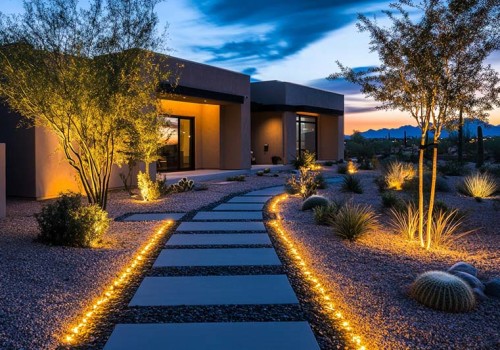
- Incorporating smart lighting solutions can enhance safety during evening visits. Motion-sensor lights can illuminate pathways automatically, reducing the risk of accidents.
- Using textured surfaces and contrasting colors in walkways can assist individuals with visual impairments in navigating the space more effectively.
Case Studies: Successful Accessible Landscape Renovations
Incorporating accessibility into landscape renovation is not just a trend; it is a necessity that enhances the usability of outdoor spaces for everyone. Here are some notable case studies that exemplify successful accessible landscape renovations:1.The High Line, New York City
The High Line is a prime example of transforming an abandoned elevated railway into a vibrant public park.This project prioritized accessibility by incorporating wide pathways, gentle slopes, and seating areas that accommodate individuals with mobility challenges. The design also features tactile paving and clear signage, ensuring that all visitors can navigate the space comfortably.
2.The Chicago Botanic Garden
Renovated to enhance accessibility, the Chicago Botanic Garden includes features such as accessible pathways, sensory gardens, and braille signage. The garden's layout allows for easy navigation for individuals using wheelchairs or other mobility aids. Additionally, the sensory garden offers a unique experience for visitors with visual impairments through fragrant plants and textured surfaces.3.The San Francisco Botanical Garden
This botanical garden underwent significant renovations to improve accessibility while preserving its natural beauty.Key features include:
- Wide, paved paths that accommodate wheelchairs and strollers.
- Accessible restrooms strategically located throughout the garden.
- Seating areas with shade to provide comfort for all visitors.
4.The National Mall, Washington D.C.
The National Mall has seen extensive renovations aimed at improving accessibility for millions of visitors each year. Enhancements include:- Improved crosswalks with audible signals for visually impaired pedestrians.
- Accessible monuments, with ramps and designated viewing areas.
- Wayfinding systems that utilize both visual and tactile elements to assist all visitors.
Conclusion: The Future of Accessible Landscape Renovation
As we conclude our exploration of landscape renovation with a focus on accessibility, it is clear that the future of outdoor spaces must prioritize inclusivity. The principles of universal design should be at the forefront of every renovation project, ensuring that landscapes are not only beautiful but also functional for everyone, regardless of their physical abilities.Throughout this article, we have discussed various strategies to incorporate accessibility into landscape renovations.From the selection of materials to the design of pathways and seating areas, each element plays a crucial role in creating an inviting environment. Here are some key takeaways:
- Inclusive Design: Always consider the needs of all users, including those with mobility challenges, visual impairments, and other disabilities.
- Pathway Accessibility: Ensure that walkways are wide enough and made from non-slip materials to accommodate wheelchairs and walkers.
- Rest Areas: Incorporate benches and shaded areas that are easily accessible for individuals who may need to rest.
- Sensory Elements: Use plants and features that engage multiple senses, making the landscape enjoyable for everyone.