In recent years, landscape renovation has emerged as a vital practice for homeowners and communities alike, reflecting a growing awareness of environmental sustainability and aesthetic enhancement. This process involves reimagining and revitalizing outdoor spaces to not only improve their visual appeal but also to promote ecological health. As urban areas expand and climate challenges intensify, the importance of thoughtful landscape renovation becomes increasingly clear. It serves as a bridge between functionality and beauty, allowing us to create spaces that are both inviting and resilient. The benefits of landscape renovation extend far beyond mere aesthetics.
By incorporating native plants, improving soil health, and implementing efficient water management practices, renovated landscapes can significantly reduce resource consumption while enhancing biodiversity. This holistic approach not only contributes to the well-being of the environment but also fosters a sense of community pride and connection to nature. Homeowners who invest in landscape renovation often find that their outdoor spaces become more than just yards; they transform into vibrant ecosystems that support local wildlife and provide a sanctuary for relaxation. As we delve deeper into the topic of sustainable irrigation systems within the context of landscape renovation, it is essential to recognize how these systems can further amplify the positive impacts of our outdoor spaces. By integrating innovative irrigation techniques, we can ensure that our landscapes thrive while minimizing water waste, ultimately leading to healthier ecosystems and more sustainable living practices.
The Role of Sustainable Irrigation in Landscape Renovation
Incorporating sustainable irrigation systems into your landscape renovation not only enhances the aesthetic appeal of your outdoor space but also promotes environmental stewardship.These systems are designed to optimize water usage, ensuring that plants receive the necessary hydration without waste.
Benefits of Sustainable Irrigation
- Water Conservation: Sustainable irrigation techniques, such as drip irrigation and rainwater harvesting, significantly reduce water consumption compared to traditional methods.
- Soil Health: By delivering water directly to the root zone, these systems minimize soil erosion and promote healthier plant growth.
- Cost Efficiency: Although the initial investment may be higher, sustainable systems lead to lower water bills and reduced maintenance costs over time.
- Environmental Impact: Utilizing native plants and efficient irrigation reduces runoff and pollution, contributing to a healthier ecosystem.
These elements not only support sustainable practices but also add unique visual interest to your landscape.In conclusion, adopting sustainable irrigation practices during your landscape renovation is a crucial step towards creating an environmentally friendly and efficient outdoor space. By prioritizing water conservation and soil health, you can ensure that your landscape thrives while minimizing its ecological footprint.
Types of Sustainable Irrigation Systems
Incorporating sustainable irrigation systems into your landscape renovation can significantly enhance water efficiency and promote environmental health. Here are some of the most effective types of sustainable irrigation systems:- Drip Irrigation: This system delivers water directly to the roots of plants through a network of tubing and emitters. By minimizing evaporation and runoff, drip irrigation ensures that plants receive the precise amount of water they need, making it an ideal choice for gardens and landscapes where water conservation is a priority.
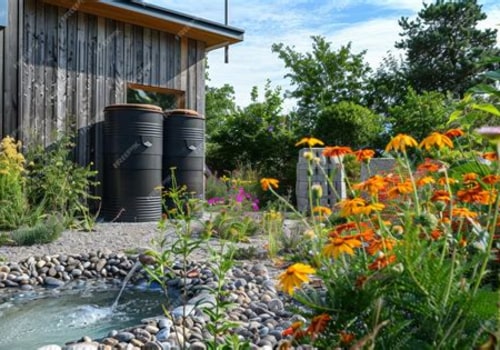
- Rainwater Harvesting: This method involves collecting and storing rainwater from rooftops or other surfaces for later use in irrigation.
By utilizing rainwater harvesting, homeowners can reduce their reliance on municipal water supplies, lower their water bills, and contribute to stormwater management efforts.
- Smart Irrigation Systems: These advanced systems use technology to optimize watering schedules based on real-time weather data, soil moisture levels, and plant needs. By implementing smart irrigation systems, you can ensure that your landscape receives adequate hydration while minimizing waste, making it a highly efficient option for modern gardens.
Assessing Your Landscape for Sustainable Irrigation Needs
To effectively incorporate sustainable irrigation systems into your landscape renovation, it is crucial to first assess your landscape's unique characteristics and needs. This evaluation will help you determine the most suitable irrigation solutions that align with both environmental sustainability and your landscape's requirements.1.Evaluate Soil Type
- Soil composition plays a significant role in water retention and drainage.
Sandy soils drain quickly but hold less moisture, while clay soils retain water but may lead to pooling. Conduct a simple soil test to understand your soil type and its moisture-holding capacity.
2.Analyze Plant Needs
- Different plants have varying water requirements. Group plants with similar needs together to optimize irrigation efficiency. Consider native plants, which are often more drought-resistant and require less water.
3.Assess Sunlight Exposure
- Observe how much sunlight different areas of your landscape receive throughout the day.
Areas that receive full sun may require more frequent watering compared to shaded areas, which retain moisture longer.
4.Consider Topography
- The slope of your landscape can affect water runoff and absorption. Identify any low-lying areas where water may accumulate and high spots where it may drain too quickly. This will inform the placement of irrigation systems.
5.Evaluate Existing Infrastructure
- If you have existing irrigation systems, assess their efficiency and compatibility with sustainable practices. Consider retrofitting or upgrading to more efficient technologies such as drip irrigation or smart controllers.
This proactive approach not only conserves water but also enhances the overall health and vitality of your landscape.
Designing a Sustainable Irrigation Plan for Your Renovated Landscape
Creating a sustainable irrigation plan for your renovated landscape is essential for conserving water and promoting healthy plant growth. Here are the key steps to design an effective irrigation system:- Assess Your Landscape: Begin by evaluating the specific needs of your renovated landscape. Consider factors such as soil type, plant species, and sun exposure. This assessment will help you determine how much water your plants require.
- Choose the Right Irrigation Method: Depending on your landscape's needs, select an appropriate irrigation method.
Options include:
- Drip Irrigation: Delivers water directly to the roots, minimizing evaporation and runoff.
- Soaker Hoses: A cost-effective solution that allows water to seep slowly into the soil.
- Sprinkler Systems: Ideal for larger areas, but ensure they are designed to minimize overspray and waste.
- Incorporate Rainwater Harvesting: Install rain barrels or cisterns to collect rainwater from roofs and other surfaces. This harvested water can be used for irrigation, reducing reliance on municipal water sources.
- Implement Smart Technology: Utilize smart irrigation controllers that adjust watering schedules based on weather conditions and soil moisture levels. This technology can significantly reduce water usage.
- Create a Maintenance Schedule: Regularly check your irrigation system for leaks or clogs. A well-maintained system ensures efficient water use and promotes the health of your landscape.
Implementing Your Sustainable Irrigation System
Implementing a sustainable irrigation system in your landscape renovation project can significantly enhance water efficiency and promote healthier plant growth.Here are some practical steps to ensure a successful installation:
- Assess Your Landscape: Before installation, evaluate your landscape's specific needs. This assessment will help you determine the most suitable irrigation system.
- Choose the Right System: Options include drip irrigation, soaker hoses, and rainwater harvesting systems. Each has its advantages; for instance, drip irrigation delivers water directly to the roots, minimizing evaporation.
- Plan Your Layout: Create a detailed plan of your irrigation layout. Mark the locations of plants, water sources, and any existing structures.
This will help you visualize how the system will function and ensure efficient water distribution.
- Gather Necessary Materials: Ensure you have all required materials, including pipes, connectors, emitters, and timers. Investing in high-quality components can enhance the longevity of your system.
- Install the System: Begin by laying out the main lines according to your plan. For drip systems, place emitters at appropriate intervals based on plant needs. Secure all connections to prevent leaks.
- Test the System: After installation, run the system to check for leaks and ensure even water distribution.
Adjust emitter placements if necessary to optimize coverage.
Maintaining Your Sustainable Irrigation System
Maintaining a sustainable irrigation system is crucial for ensuring its longevity and efficiency, especially in the context of landscape renovation. Regular maintenance not only helps in conserving water but also promotes healthy plant growth and reduces the risk of system failures.Regular Inspections
- Conduct routine checks on all components of your irrigation system, including pipes, valves, and emitters. Look for signs of wear, leaks, or blockages.
- Inspect the timer or controller settings to ensure they are programmed correctly according to seasonal changes and rainfall patterns.
Cleaning and Flushing
- Periodically clean filters and emitters to prevent clogging.
This is especially important for drip irrigation systems where small particles can easily obstruct water flow.
- Flush the system at least once a year to remove any accumulated debris or mineral deposits that could hinder performance.
Adjusting Watering Schedules
- Monitor weather conditions and adjust your watering schedule accordingly. Utilize rain sensors or soil moisture sensors to optimize water usage.
- During cooler months, reduce watering frequency to prevent over-saturation and root rot.
Seasonal Maintenance Tips
- Spring: Check for any winter damage, replace broken parts, and recalibrate your system for the growing season.
- Summer: Monitor water usage closely; consider implementing a rainwater harvesting system to supplement irrigation needs.
- Fall: Prepare your system for winter by draining pipes and insulating exposed components to prevent freezing.
Case Studies: Successful Landscape Renovations with Sustainable Irrigation
Incorporating sustainable irrigation systems into landscape renovations can significantly enhance water efficiency and promote ecological health. Here are some real-life case studies that exemplify successful landscape renovations with sustainable irrigation:1.The Urban Oasis Project
Located in a bustling metropolitan area, the Urban Oasis Project transformed a neglected park into a vibrant community space.The renovation included the installation of a drip irrigation system, which delivers water directly to the roots of plants, minimizing evaporation and runoff. This system not only reduced water usage by 40% but also improved plant health and resilience.
2.Residential Landscape Revamp in California
A homeowner in California undertook a landscape renovation to create a drought-tolerant garden. By integrating a rainwater harvesting system, they collected runoff from their roof to irrigate their new landscape. This project showcased the use of native plants that thrive on minimal water, resulting in a stunning garden that requires little maintenance and conserves local water resources.3.Community Garden Initiative
A community garden in an urban neighborhood implemented a smart irrigation system that uses weather data to optimize watering schedules.This technology adjusts the irrigation based on rainfall and temperature, ensuring that plants receive just the right amount of water. As a result, the garden flourished while reducing water consumption by 30% compared to traditional methods.These examples illustrate how thoughtful integration of sustainable irrigation systems can lead to successful landscape renovations. By adopting similar practices, individuals and communities can create beautiful, functional spaces that are environmentally responsible and resource-efficient.
FAQs About Sustainable Irrigation in Landscape Renovation
When considering sustainable irrigation systems for your landscape renovation, several common questions arise. Here are some frequently asked questions that can help guide your decisions:- What are the benefits of sustainable irrigation systems?
Sustainable irrigation systems conserve water, reduce runoff, and promote healthier plant growth.They also lower maintenance costs and can enhance the overall aesthetic of your landscape.
- How do I choose the right irrigation system for my landscape?
Consider factors such as the types of plants you have, the size of your landscape, and local climate conditions. Drip irrigation is often recommended for gardens, while sprinkler systems may be more suitable for larger lawns. - Can I integrate sustainable irrigation into an existing landscape?
Yes, many sustainable irrigation solutions can be retrofitted into existing landscapes. Assess your current setup and identify areas where you can implement more efficient systems. - What is the role of rainwater harvesting in sustainable irrigation?
Rainwater harvesting captures and stores rainwater for later use in irrigation. This practice not only conserves water but also reduces dependency on municipal water supplies. - How often should I water my renovated landscape?
The frequency of watering depends on various factors including plant type, soil moisture, and weather conditions.A good rule of thumb is to check soil moisture before watering to avoid over-irrigation.
Conclusion: Embracing Sustainability in Landscape Renovation
In conclusion, embracing sustainability in landscape renovation is not just a trend; it is a necessity for the health of our environment and the longevity of our outdoor spaces. By integrating sustainable irrigation systems, homeowners and landscape professionals can significantly reduce water consumption while enhancing the beauty and functionality of their landscapes. Throughout this article, we have explored various methods to achieve this goal. From utilizing drip irrigation systems that deliver water directly to the roots of plants, to implementing rainwater harvesting techniques that capture and store rain for later use, each approach offers unique benefits.Additionally, the use of native plants can further minimize water needs and promote biodiversity. Moreover, it is essential to consider the long-term impacts of our choices. Sustainable practices not only contribute to environmental conservation but also lead to cost savings over time. By reducing reliance on municipal water sources and minimizing maintenance costs associated with traditional irrigation methods, homeowners can enjoy both financial and ecological benefits. As we move forward, let us commit to making informed decisions that prioritize sustainability in our landscape renovations. Whether you are starting a new project or updating an existing space, remember that every small change contributes to a larger impact.
Together, we can create landscapes that are not only beautiful but also resilient and sustainable for future generations.
- Key Takeaways:
- Incorporate sustainable irrigation systems like drip irrigation and rainwater harvesting.
- Select native plants to reduce water usage and enhance local ecosystems.
- Consider long-term cost savings and environmental benefits when planning renovations.