When embarking on a landscape renovation, one of the most crucial yet often overlooked elements is texture. The incorporation of various textures can significantly enhance the visual appeal and depth of a garden or outdoor space. Texture not only adds interest but also plays a vital role in creating a harmonious balance between different elements within the landscape. By understanding the importance of texture, homeowners and designers can transform ordinary spaces into extraordinary environments that invite exploration and engagement. Incorporating diverse textures into your landscape can yield numerous benefits.
For instance, contrasting smooth surfaces with rough, rugged materials can create a dynamic interplay that draws the eye and encourages movement throughout the space. This tactile variety can evoke different feelings and experiences, making the landscape more inviting and enjoyable. Additionally, texture can help define areas within a garden, guiding visitors through various zones while enhancing the overall aesthetic. Moreover, texture plays a pivotal role in garden design, influencing not just how a space looks but also how it feels. The choice of plants, hardscaping materials, and decorative elements all contribute to the textural composition of the landscape.
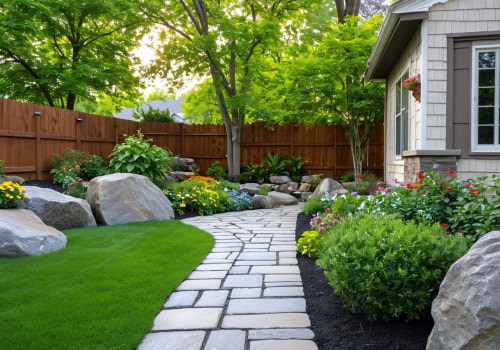
For example, pairing soft, feathery grasses with sturdy stone pathways can create a striking contrast that enhances both beauty and functionality. As you consider your landscape renovation project, remember that thoughtful texture integration is key to crafting an engaging and visually stunning outdoor environment.
Types of Textures to Consider in Landscape Renovation
When embarking on a landscape renovation, understanding the various types of textures available is crucial for creating a visually appealing and cohesive outdoor space. Textures can be broadly categorized into two main types: hardscape and softscape.Hardscape Textures
Hardscape refers to the non-plant elements of landscaping, which include materials like stone, wood, concrete, and metal. These elements provide structure and durability to your landscape design.- Stone: Natural stone can add a rugged, organic feel to your landscape.
Options like slate, granite, or limestone can be used for pathways, walls, or decorative features.
- Wood: Incorporating wood through decks, fences, or garden furniture introduces warmth and a natural aesthetic. Different finishes can create varied textures, from smooth to rough-hewn.
- Concrete: Versatile and durable, concrete can be molded into various shapes and finishes. Stamped or stained concrete can mimic the look of stone while providing a modern touch.
- Metal: Elements like wrought iron or aluminum can add a contemporary edge. Metal planters or trellises can contrast beautifully with softer elements in your landscape.
Softscape Textures
Softscape, on the other hand, encompasses all the living elements in your landscape, primarily plants and soil.The textures here are more dynamic and can change with the seasons.
- Plants: Different plants offer a variety of textures—from the fine leaves of ornamental grasses to the broad leaves of tropical plants. Mixing these can create depth and interest.
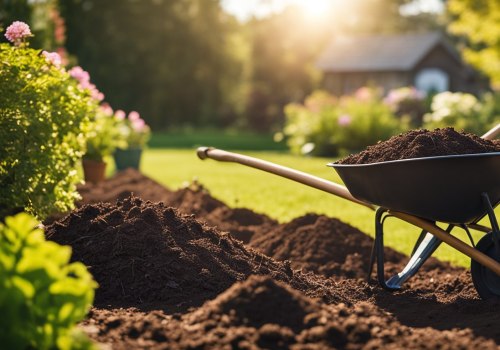
- Soil: The type of soil used can also affect texture. Mulch not only retains moisture but adds a rich texture that contrasts with plant foliage.
- Ground Covers: Low-growing plants like moss or creeping thyme can soften hard surfaces while providing a lush carpet effect underfoot.
Incorporating Hardscape Textures
Incorporating hardscape elements into your landscape renovation can significantly enhance the overall texture and visual appeal of your outdoor space.Hardscapes, which include features like patios, walkways, and walls, provide a solid foundation that complements the softer elements of your garden.
Choosing the Right Hardscape Materials
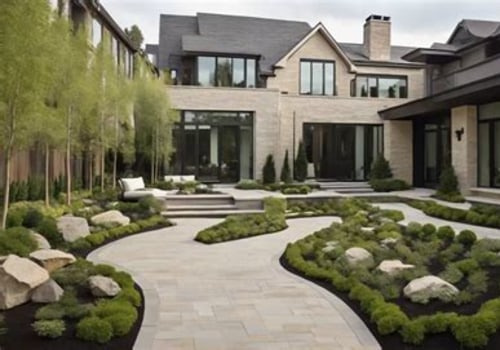
- Stone: Natural stone is a popular choice for hardscaping due to its durability and aesthetic versatility. Options like slate, granite, and limestone can be used for patios and pathways, each offering unique textures. For instance, a rough-hewn flagstone creates a rustic feel, while polished granite adds a modern touch.
- Brick: Brick pavers are another excellent option for creating textured surfaces. They come in various colors and patterns, allowing for creative designs that can enhance the character of your landscape.
- Concrete: While often seen as plain, concrete can be stamped or stained to mimic other materials like stone or wood.
This versatility allows for a wide range of textures that can fit any design style.
Incorporating Wood Features
Wood elements can also add warmth and texture to your landscape renovation. Consider using wooden decks or pergolas to create inviting spaces. Here are some ideas:
- Raised Garden Beds: Constructing raised beds from reclaimed wood not only provides a rustic look but also offers practical benefits for gardening.
- Wooden Fencing: A wooden fence can serve as both a boundary and a decorative element. Choose weathered wood for a more organic appearance or opt for sleek, modern lines for a contemporary feel.
- Seating Areas: Incorporate benches or seating made from wood to create cozy spots within your landscape.
These features invite relaxation and encourage outdoor living.
Utilizing Softscape Textures
Incorporating softscape elements into your landscape renovation can significantly enhance the visual appeal and tactile experience of your outdoor space. Softscape refers to the living components of a landscape, primarily plants and soil, which can introduce a variety of textures that complement hardscape features.Exploring Plant Textures
When selecting plants for your landscape, consider their textures. For instance, fuzzy leaves from plants like lamb's ear or the delicate fronds of ferns can create a soft, inviting feel.In contrast, the sharp, spiky leaves of ornamental grasses or succulents add a striking contrast. Mixing these different plant types not only enhances the aesthetic but also creates a dynamic visual experience.
Layering Plants for Texture
Layering is a powerful technique in landscape renovation that can elevate the texture of your garden. By arranging plants in varying heights and densities, you can create depth and interest. Here are some tips for effective layering:- Foreground: Use low-growing plants with vibrant colors or interesting foliage to draw the eye.
- Midground: Incorporate medium-height plants that provide a transition between the foreground and background.
- Background: Taller plants or shrubs can serve as a backdrop, adding height and structure to your landscape.
Plants like creeping thyme or moss not only soften hard edges but also introduce new textures at ground level.Finally, don’t overlook the importance of soil texture in your landscape renovation. Amending soil with organic matter can improve its structure and drainage, which in turn supports healthier plant growth and enhances overall texture. A well-prepared soil base allows for better root development, leading to more vibrant and textured plant life.By thoughtfully selecting and layering softscape elements, you can create a renovated landscape that is not only visually stunning but also rich in texture and sensory experience.
Combining Textures for Visual Impact
Incorporating different textures into your landscape renovation can significantly enhance the visual interest of your outdoor space. By thoughtfully combining various materials and plants, you can create a dynamic environment that captivates the eye and invites exploration.Layering Textures
is a fundamental strategy in achieving a harmonious landscape.
Start by considering the vertical layering of plants. For instance, tall grasses or flowering perennials can provide height, while low-growing ground covers add depth. This layering not only creates a sense of dimension but also allows for a rich tapestry of colors and forms.
- Mixing Hardscapes: Integrate different hardscape materials such as stone, wood, and concrete. A flagstone path bordered by wooden sleepers can create a striking contrast that draws attention.
- Plant Variety: Choose plants with varying leaf shapes and sizes.
For example, combine broad-leaved hostas with fine-textured ferns to create an engaging visual interplay.
- Seasonal Changes: Incorporate plants that offer different textures throughout the seasons. Evergreens provide structure in winter, while deciduous plants can offer vibrant foliage in fall.
For example, pairing smooth river stones with rough bark mulch can create an appealing contrast without overwhelming the senses.Finally, consider the scale of your textures. Large boulders can anchor a space, while smaller pebbles can fill gaps and soften edges. By varying the scale of your materials and plants, you can guide the viewer’s eye through the landscape, creating a journey that feels both intentional and organic.In summary, effectively combining textures in your landscape renovation not only enhances visual interest but also fosters a sense of harmony and balance. By layering elements thoughtfully and considering their scale and seasonal changes, you can transform your garden into a captivating outdoor retreat.
Incorporating Color with Texture
In landscape renovation, the interplay of color and texture can dramatically transform outdoor spaces.Understanding how these elements work together is essential for creating visually appealing environments. Color can enhance the perception of texture, while texture can amplify the impact of color, leading to a harmonious landscape design.
Choosing a Color Palette
- Complementary Colors: Select colors that are opposite each other on the color wheel, such as blue and orange, to create vibrant contrasts that highlight different textures.
- Analogous Colors: Use colors that are next to each other on the wheel, like green and yellow, to create a serene and cohesive look that allows textures to shine without overwhelming the senses.
- Monochromatic Schemes: Incorporate varying shades of a single color to emphasize texture while maintaining a unified appearance. This approach can be particularly effective with plants that have different leaf shapes and sizes.
Enhancing Landscapes with Color
When planning your landscape renovation, consider how different textures can interact with your chosen colors:
- Smooth Surfaces: Pair smooth stones or polished concrete with bold colors like deep reds or bright yellows to create striking focal points.
- Rough Textures: Use earthy tones such as browns and greens alongside rough-textured materials like bark mulch or natural stone to evoke a sense of warmth and organic beauty.
- Soft Textures: Combine soft foliage with pastel colors to create a gentle, inviting atmosphere. Plants like lavender or soft grasses can soften hardscape elements while adding subtle color variations.
Remember that the right combination can lead to a dynamic landscape that invites exploration and appreciation.
Maintenance Considerations for Textured Landscapes
Maintaining a textured landscape requires a thoughtful approach to both hardscape and softscape elements. Each texture presents unique challenges and opportunities for upkeep, ensuring that your landscape renovation remains vibrant and inviting.Softscape Maintenance
For gardens featuring a variety of plants, the following tips can help maintain their health and appearance:- Regular Pruning: Trim back overgrown plants to promote healthy growth and maintain shape. This is especially important for textured plants like ornamental grasses and shrubs.
- Mulching: Apply a layer of mulch around plants to retain moisture, suppress weeds, and enhance the visual appeal of your garden beds.
- Watering: Different textures may require varying amounts of water. Ensure that you understand the needs of each plant type to avoid over or under-watering.
- Pest Control: Regularly inspect your plants for signs of pests or disease.
Early intervention can prevent damage to your textured landscape.
Hardscape Upkeep
The maintenance of hardscape features is equally crucial in preserving the overall aesthetic of your landscape. Consider these practices:- Cleaning Surfaces: Regularly sweep or power wash patios, walkways, and walls to remove dirt and debris that can dull their appearance.
- Sealing Materials: For porous materials like natural stone or concrete, applying a sealant can protect against stains and weathering, enhancing longevity.
- Repairing Cracks: Address any cracks or chips in hardscape elements promptly to prevent further damage and maintain safety.
- Weed Control: Keep joints between pavers or stones clear of weeds by using appropriate herbicides or manual removal methods.
FAQs About Texture in Landscape Renovation
When it comes to landscape renovation, incorporating different textures can significantly enhance the visual appeal and depth of your outdoor space. Here are some frequently asked questions that can help you understand how to effectively use texture in your landscape design.What are some common textures to consider in landscape renovation?
- Soft textures: These include plants with delicate leaves, such as ferns and ornamental grasses, which can create a gentle, inviting atmosphere.
- Hard textures: Materials like stone, brick, and concrete add a robust feel to your landscape.
They can be used in pathways, walls, or as decorative elements.
- Mixed textures: Combining soft and hard elements can create a balanced look. For example, pairing smooth pebbles with rough bark mulch can add interest.
How can I use texture to create focal points in my garden?
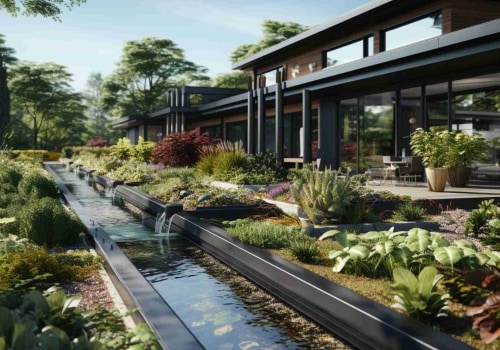
To draw attention to specific areas of your garden, consider using contrasting textures. For instance, a smooth water feature surrounded by rough stones can create a striking focal point. Additionally, using taller plants with bold foliage next to lower, softer plants can guide the eye and create layers.Are there any tips for layering textures effectively?
- Start with a base: Use ground cover plants or mulch as a foundation to establish the first layer of texture.
- Add height: Incorporate taller plants or structures like trellises to introduce vertical texture.
- Vary plant sizes: Mixing different plant heights and forms will create a more dynamic landscape.
Experimenting with different materials and plant types will help you discover the perfect combination for your outdoor space.
Conclusion: Transforming Your Landscape with Texture
In conclusion, landscape renovation is not just about aesthetics; it’s about creating a harmonious environment that engages the senses. By incorporating various textures, you can elevate your outdoor space from ordinary to extraordinary. Throughout this article, we explored several effective methods to achieve this transformation. One of the key takeaways is the importance of layering different materials. For instance, combining smooth stones with rough bark mulch can create a visually appealing contrast that draws the eye.Additionally, using plants with varying leaf shapes and sizes adds depth and interest to your landscape. Another significant point is the role of hardscaping elements. Incorporating textured surfaces such as cobblestones, wooden decks, or even decorative concrete can enhance the tactile experience of your landscape. These features not only serve functional purposes but also contribute to the overall aesthetic. Furthermore, consider the seasonal changes in texture. Selecting plants that offer different textures throughout the year ensures that your landscape remains dynamic and engaging.
For example, evergreen shrubs provide a consistent texture in winter, while flowering perennials add softness in spring and summer. As you embark on your landscape renovation journey, remember that texture is a powerful tool in your design arsenal. Embrace creativity and experiment with various combinations to find what resonates with your vision. By thoughtfully integrating texture into your landscape, you can create a space that is not only beautiful but also inviting and full of life. Ultimately, the goal is to create an outdoor environment that reflects your personal style while providing a sensory experience for all who visit. So go ahead—transform your landscape with texture and watch it come alive!.