Landscape renovation projects are often associated with improving curb appeal, updating outdoor aesthetics, or increasing property value, but many property owners overlook one of the biggest long-term advantages these projects can provide: improved maintenance efficiency. Renovating an outdoor space allows homeowners, commercial property managers, and landowners to redesign landscapes in ways that reduce ongoing labor, lower maintenance costs, and improve overall property functionality over time. Older landscapes frequently evolve without long-term planning, resulting in overgrown vegetation, inefficient irrigation systems, difficult mowing areas, drainage problems, and high-maintenance plant selections that demand constant attention. Through thoughtful renovation, these issues can be corrected in ways that make routine upkeep simpler and more sustainable for years to come.
Smarter Layouts Reduce Ongoing Labor Requirements
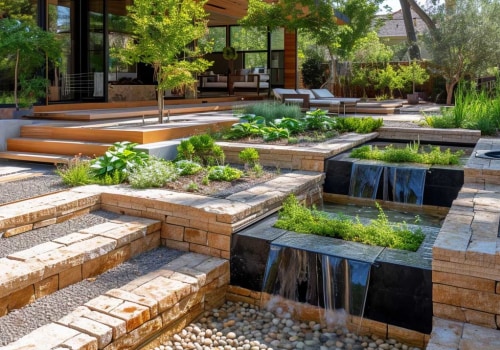
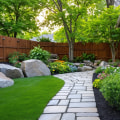
One of the most effective ways landscape renovation improves maintenance efficiency is by creating more organized and manageable outdoor layouts. Many older properties contain irregular lawn shapes, overcrowded planting beds, or poorly placed trees and shrubs that complicate mowing, trimming, and seasonal cleanup work. Renovation projects often redesign these areas to improve equipment access and reduce unnecessary obstacles that slow down routine maintenance tasks. Wider pathways, cleaner edging, consolidated planting zones, and simplified lawn areas allow maintenance crews or homeowners to complete landscaping work more efficiently. In larger residential or commercial properties, reducing the time required for mowing, trimming, and debris removal can significantly lower long-term labor demands and operating costs.
Plant Selection and Irrigation Planning Matter
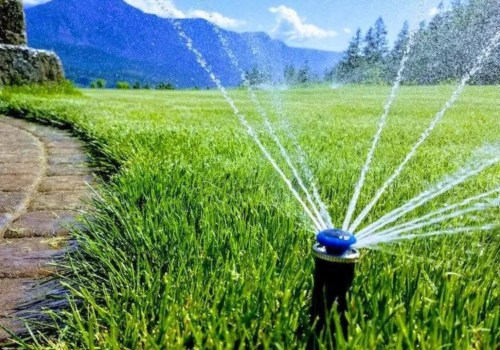
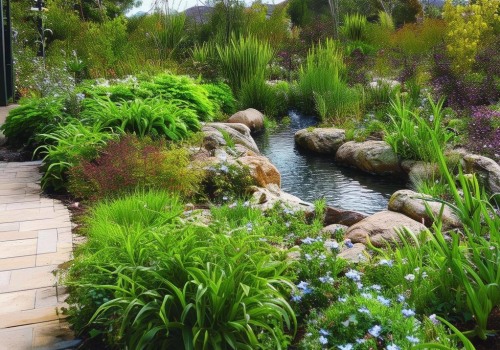
Landscape renovation also creates opportunities to improve plant selection and irrigation efficiency. Older landscapes may include plants that require excessive watering, frequent pruning, or constant seasonal replacement due to poor climate compatibility or outdated design choices. Renovation projects often introduce more durable, region-appropriate plants that require less water and lower maintenance overall. At the same time, irrigation systems can be upgraded to improve water distribution and reduce waste caused by outdated sprinkler layouts or inefficient drainage. Proper grading and drainage improvements may also help prevent erosion, standing water, and soil deterioration that would otherwise increase maintenance needs over time. These changes allow landscapes to remain healthier with less intensive upkeep, especially during seasonal weather changes or periods of drought.
Equipment Efficiency Improves With Better Landscape Design
Another hidden advantage of landscape renovation is that outdoor maintenance equipment often operates more effectively in properly designed spaces. Smooth transitions between lawn areas, accessible storage zones, and fewer physical obstacles make mowing and property care faster and safer. Property owners managing larger outdoor areas frequently rely on professional-grade landscaping tools and ongoing equipment support to maintain efficiency throughout the year. Businesses connected to outdoor maintenance, including providers like Umatilla Saw & Mower sales and service, may indirectly support long-term landscape efficiency by helping property owners maintain reliable equipment for evolving outdoor maintenance demands. Renovated landscapes that are designed with maintenance access in mind can reduce wear on equipment while improving overall productivity during routine property care.
Long-Term Cost Savings Often Outweigh Initial Renovation Costs
Although landscape renovation requires an upfront investment, many property owners eventually experience significant long-term savings through reduced maintenance demands and improved property durability. Lower water usage, reduced labor hours, healthier plant growth, and fewer recurring drainage or erosion issues all contribute to more manageable long-term upkeep. Well-designed landscapes are also easier to monitor for potential problems such as pest activity, irrigation leaks, or unhealthy vegetation before those issues become costly repairs. In many cases, renovation projects quietly shift a property from reactive maintenance to a more preventative and efficient management approach.
Thoughtful Renovation Supports Sustainable Property Care
Landscape renovation is not only about creating a visually attractive outdoor environment. It also allows property owners to rethink how their landscapes function on a daily basis and how efficiently they can be maintained over time. By improving layout design, plant selection, drainage, irrigation, and equipment accessibility, renovated landscapes often become easier and less expensive to maintain while continuing to support long-term property value and outdoor usability for years to come.