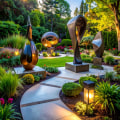
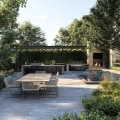
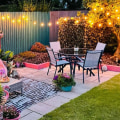
In the realm of landscape renovation, the integration of water features can transform an ordinary outdoor space into a serene oasis. These elements not only enhance the visual appeal of a landscape but also introduce a dynamic auditory experience that can soothe the senses. Whether it’s a tranquil pond, a bubbling fountain, or a cascading waterfall, water features serve as focal points that draw the eye and invite exploration. The benefits of incorporating water features into your landscape renovation extend beyond aesthetics. They play a crucial role in creating microclimates, helping to regulate temperature and humidity in your garden.
Additionally, water features can attract wildlife, such as birds and butterflies, enriching the biodiversity of your outdoor space. This not only contributes to a healthier ecosystem but also provides opportunities for nature observation right in your backyard. Moreover, the sound of flowing water can mask unwanted noise from nearby streets or neighbors, creating a peaceful retreat. As you embark on your landscape renovation journey, consider how these elements can be strategically placed to enhance both the beauty and functionality of your outdoor environment. By thoughtfully incorporating water features, you can elevate your landscape from simple to spectacular, making it a true reflection of your personal style and a haven for relaxation.
Types of Water Features to Consider
Incorporating water features into your landscape renovation can significantly enhance the aesthetic appeal and tranquility of your outdoor space.Here are some popular types of water features to consider:
- Ponds: A pond can serve as a stunning focal point in your landscape. They can be designed to accommodate fish, aquatic plants, and even provide a habitat for local wildlife. When planning a pond, consider its size, shape, and depth to ensure it complements your overall design. Additionally, incorporating features like a small island or surrounding seating can create a serene retreat.
- Fountains: Fountains add a dynamic element to any landscape.
They come in various styles, from classic tiered designs to modern wall-mounted options. The sound of flowing water can create a soothing atmosphere, making fountains ideal for gardens or patios. When selecting a fountain, think about the scale and materials to ensure it harmonizes with your existing landscape elements.
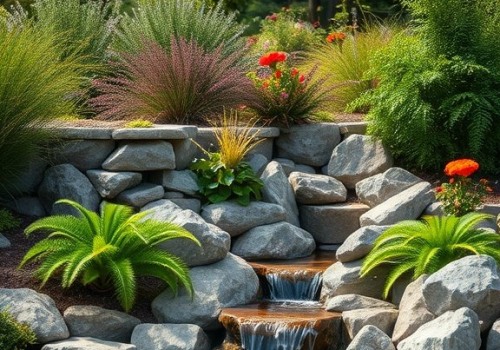
- Waterfalls: A waterfall can bring a dramatic touch to your landscape renovation. Whether it cascades into a pond or flows over rocks, the sight and sound of falling water can create a peaceful ambiance.
Waterfalls can be designed to fit various styles, from naturalistic to contemporary, and can be enhanced with lighting for evening enjoyment.
Designing a Cohesive Landscape with Water Features
Incorporating water features into a landscape renovation can significantly enhance the visual appeal and tranquility of your outdoor space. To achieve a cohesive design, it’s essential to consider the existing elements of your landscape and how water features can complement them.1.Assess Your Space
- Begin by evaluating the current layout of your landscape. Identify areas that could benefit from the addition of water features, such as corners that feel empty or spots that lack focal points.
- Consider the scale of your landscape; larger properties may accommodate more substantial features like ponds or waterfalls, while smaller spaces might benefit from a simple fountain or birdbath.
2.Choose the Right Type of Water Feature
- Ponds: These can serve as a habitat for wildlife and can be designed with surrounding plants to create a natural look.
- Fountains: A fountain can act as a stunning centerpiece, providing both sound and movement.
Choose styles that match your overall design theme, whether modern or traditional.
- Streams and Waterfalls: These features can add dynamic movement to your landscape, guiding the eye through the space and creating a soothing atmosphere.
3.Integrate with Existing Elements
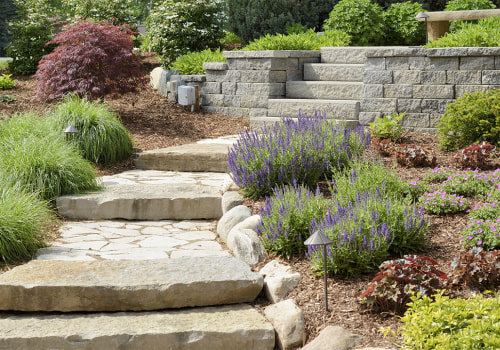
- Ensure that the materials used for your water feature harmonize with existing hardscapes, such as patios or walkways. For instance, if you have stone pathways, consider using similar stone for your pond’s edge.
- Incorporate plants around your water feature that are already present in your landscape to create a seamless transition. Native plants work well to maintain ecological balance and reduce maintenance.
4.Consider Lighting
Lighting plays a crucial role in enhancing water features at night. Use soft lighting to highlight the contours of ponds or the flow of waterfalls, creating an inviting ambiance that extends the usability of your outdoor space into the evening hours.By thoughtfully integrating water features into your landscape renovation, you can create a harmonious environment that not only beautifies your property but also promotes relaxation and enjoyment in nature.
Choosing the Right Location for Your Water Feature
When planning a landscape renovation, the placement of your water feature is crucial for both aesthetic appeal and functionality.Choosing the right location can enhance the overall design and create a harmonious environment. Here are some key considerations to keep in mind:
- Visibility: Position your water feature where it can be easily seen from various vantage points, such as patios, windows, or pathways. This not only maximizes its visual impact but also invites interaction.
- Sunlight Exposure: Consider the amount of sunlight the area receives. Most water features benefit from partial sunlight, which helps maintain healthy aquatic plants and prevents excessive algae growth.
Avoid placing them in overly shaded areas unless you plan to incorporate shade-tolerant plants.
- Proximity to Utilities: If your water feature requires electricity for pumps or lighting, ensure it is located near existing electrical outlets. This will simplify installation and reduce costs.
- Sound Considerations: The soothing sound of flowing water can enhance the ambiance of your landscape. Place your feature near seating areas or outdoor living spaces to create a tranquil atmosphere. However, be mindful of noise levels; avoid locations too close to bedrooms or quiet zones.
- Integration with Landscape Elements: Your water feature should complement existing landscape elements such as trees, shrubs, and pathways.
Consider how it interacts with these features to create a cohesive design. For instance, a pond can serve as a focal point surrounded by native plants.
Maintenance Considerations for Water Features
Maintaining water features is crucial for ensuring they remain a stunning focal point in your landscape renovation.Regular upkeep not only enhances their aesthetic appeal but also promotes a healthy ecosystem. Here are some essential maintenance practices to consider:
- Regular Cleaning: Debris such as leaves, twigs, and algae can accumulate in and around water features. Regularly skimming the surface and cleaning the sides will prevent buildup and keep the water clear.
- Water Quality Management: Test the water regularly for pH levels and contaminants. Using water treatments can help maintain clarity and prevent algae growth.
- Pump Maintenance: If your water feature includes a pump, ensure it is functioning properly.
Clean or replace filters as needed to maintain optimal water circulation.
- Seasonal Adjustments: In colder climates, consider winterizing your water feature by removing pumps and adding insulation to prevent damage from freezing temperatures.
- Plant Care: If your water feature includes aquatic plants, monitor their health. Trim dead leaves and ensure they are not overcrowding the space, which can lead to poor water quality.
Incorporating Native Plants Around Water Features
Incorporating native plants around water features is a vital aspect of landscape renovation that not only enhances the aesthetic appeal but also promotes ecological balance.Native plants are well-adapted to the local climate and soil conditions, making them more resilient and easier to maintain compared to non-native species.When selecting plants for your water feature, consider the following benefits:
- Biodiversity: Native plants attract a variety of wildlife, including birds, butterflies, and beneficial insects, which contribute to a thriving ecosystem.
- Water Conservation: These plants typically require less water once established, reducing the need for irrigation and helping conserve this precious resource.
- Soil Health: Native plants improve soil structure and fertility, which can enhance the overall health of your landscape.
- Choose Appropriate Species: Research local native plant species that thrive in wet or moist conditions. Examples include swamp milkweed, blue flag iris, and cardinal flower.
- Create Layers: Design your planting scheme in layers, with taller plants at the back and shorter ones in front. This not only creates visual interest but also mimics natural ecosystems.
- Group Plants by Water Needs: Position plants according to their moisture requirements. Place moisture-loving species closer to the water's edge while drought-tolerant varieties can be planted further away.
This approach not only aligns with ecological principles but also ensures that your landscape remains vibrant and resilient for years to come.
Water Features as Wildlife Habitats
Incorporating water features into a renovated landscape not only enhances its aesthetic appeal but also plays a crucial role in creating wildlife habitats. These features can attract a variety of species, contributing to the ecological balance of the area.Wildlife habitats
created by water features can include ponds, streams, and even small waterfalls. Each of these elements serves as a vital resource for local fauna. For instance, ponds can provide drinking water and breeding grounds for amphibians, while streams can support fish populations and offer a habitat for insects.To effectively attract wildlife, consider the following:- Diverse Plant Life: Surround your water feature with native plants that provide food and shelter for birds, insects, and other wildlife.
Native plants are more likely to thrive in your local environment and support local ecosystems.
- Gradual Slopes: Design the edges of ponds or streams with gentle slopes rather than steep banks. This allows easier access for animals to drink and reduces the risk of erosion.
- Natural Materials: Use rocks, logs, and other natural materials to create habitats around the water feature. These elements can serve as basking spots for reptiles or hiding places for small mammals.
Additionally, these habitats can improve water quality by filtering pollutants and reducing runoff.By thoughtfully incorporating water features into your landscape renovation, you not only enhance the beauty of your outdoor space but also foster a thriving ecosystem that supports local wildlife. This approach not only benefits nature but also enriches your experience as you observe the diverse life that flourishes in your garden.
Cost Considerations for Adding Water Features to Your Landscape Renovation
When planning a landscape renovation that includes water features, understanding the associated costs is crucial for effective budgeting. Water features can range from simple bird baths to elaborate ponds or waterfalls, each with its own price tag.Types of Water Features and Their Costs
- Fountains: These can cost anywhere from $100 for small, pre-made options to several thousand dollars for custom designs. Installation costs may also vary based on complexity.
- Ponds: A basic pond can start at around $1,000, but larger or more intricate designs can exceed $5,000.
Consider additional expenses for liners, pumps, and filtration systems.
- Waterfalls: Adding a waterfall to your pond can enhance its beauty but typically adds $1,500 to $3,000 to your budget, depending on size and materials.
- Streams: If you’re considering a stream feature, expect costs to start at $2,000 and go up based on length and design.
Budgeting Tips for Water Features
To effectively budget for your landscape renovation, consider the following tips:- Research Costs: Gather quotes from multiple contractors to understand the market rate for the water features you desire.
- Prioritize Features: Decide which water features are essential and which can be added later. This allows you to spread out costs over time.
- Factor in Maintenance: Remember that water features require ongoing maintenance. Budget for regular upkeep, including cleaning and repairs.
- Consider DIY Options: If you're handy, some features like small fountains or bird baths can be installed yourself, saving on labor costs.
FAQs About Incorporating Water Features in Landscape Renovation
Incorporating water features into your landscape renovation can elevate the aesthetic appeal and create a serene environment. Here are some frequently asked questions that can help guide your decisions:- What types of water features are suitable for small spaces?
For smaller landscapes, consider options like fountains, birdbaths, or miniature ponds.These features can add charm without overwhelming the area.
- How do I maintain a water feature?
Regular maintenance is crucial. This includes cleaning the pump, checking for algae growth, and ensuring the water level is adequate. Depending on the feature, you may also need to winterize it. - Can water features attract wildlife?
Yes! Water features can attract birds, butterflies, and beneficial insects. However, be mindful of the type of wildlife you want to encourage and design your feature accordingly. - What is the cost of installing a water feature?
The cost can vary widely based on size, materials, and complexity.Simple fountains may start at a few hundred dollars, while larger ponds or waterfalls can run into thousands. Always budget for installation and maintenance.
- Are there eco-friendly options for water features?
Absolutely! Consider using solar-powered pumps or creating a natural pond that supports local wildlife. Rain gardens and bioswales are also excellent sustainable choices that manage stormwater while adding beauty.
Conclusion: Transforming Your Landscape with Water Features
Incorporating water features into your landscape renovation can significantly enhance the aesthetic appeal and functionality of your outdoor space.As we have explored throughout this article, water elements such as ponds, fountains, and waterfalls not only provide visual interest but also create a soothing atmosphere that can transform any garden or yard.To summarize, here are some key benefits of adding water features to your landscape:
- Enhanced Aesthetics: Water features serve as focal points that draw the eye and can complement various design styles, from modern to rustic.
- Improved Wildlife Habitat: Ponds and streams attract birds, butterflies, and beneficial insects, promoting biodiversity in your garden.
- Sound and Serenity: The gentle sound of flowing water can mask unwanted noise from nearby roads or neighbors, creating a peaceful retreat.
- Microclimate Creation: Water bodies can help regulate temperature and humidity levels in your landscape, making it more comfortable during hot summer months.