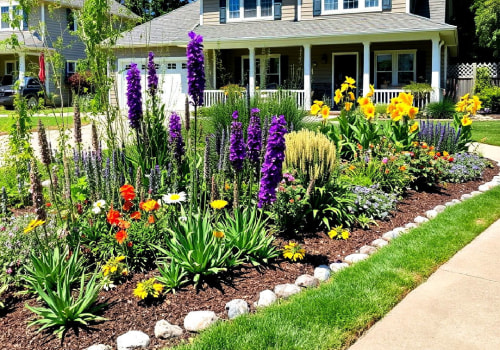
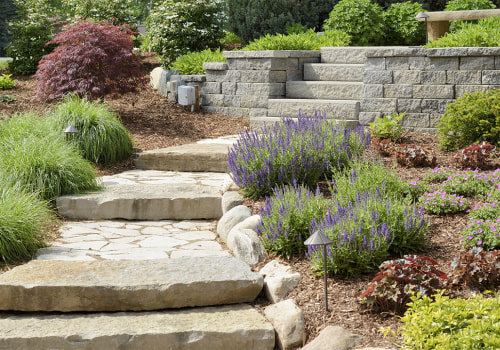
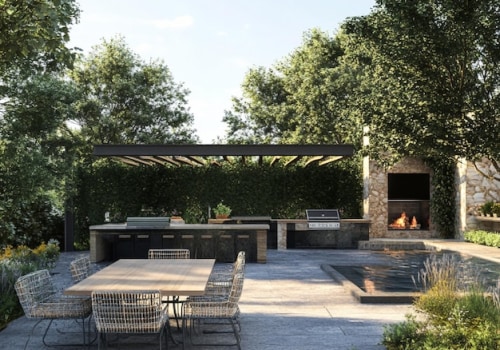
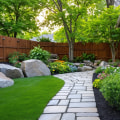
In today's rapidly changing environment, landscape renovation has emerged as a crucial practice for homeowners and communities alike. This process involves updating and improving existing landscapes to enhance their aesthetic appeal, functionality, and sustainability. As urban areas expand and climate challenges intensify, the importance of thoughtful landscape renovation cannot be overstated. It not only revitalizes outdoor spaces but also contributes to ecological balance and resource conservation. The significance of landscape renovation lies in its ability to address various environmental issues while providing numerous benefits.
By incorporating native plants, reducing water usage, and implementing sustainable practices, renovated landscapes can significantly lower maintenance costs and improve biodiversity. Furthermore, these enhancements can increase property values and create inviting spaces for social interaction, ultimately fostering a sense of community. As we delve deeper into the topic of sustainable irrigation systems within the context of landscape renovation, it becomes clear that these systems play a pivotal role in achieving long-term sustainability goals. By understanding the principles of effective landscape renovation, we can explore innovative ways to integrate irrigation solutions that not only conserve water but also promote healthy plant growth and resilience against climate variability.
The Role of Sustainable Irrigation in Landscape Renovation
Incorporating sustainable irrigation systems into a renovated landscape is essential for promoting environmental health and ensuring efficient water use. As landscapes evolve, the need for effective water management becomes increasingly critical, especially in regions prone to drought or water scarcity.Sustainable irrigation
not only conserves water but also enhances the overall health of the landscape.By utilizing methods such as drip irrigation, rainwater harvesting, and smart irrigation controllers, homeowners and landscapers can significantly reduce water waste. These systems deliver water directly to the plant roots, minimizing evaporation and runoff.
Benefits of Sustainable Irrigation
- Water Conservation: Sustainable systems can reduce water usage by up to 50%, making them an eco-friendly choice.
- Cost Efficiency: Although initial installation may be higher, long-term savings on water bills and maintenance costs make sustainable systems economically viable.
- Improved Plant Health: Targeted watering encourages deeper root growth and healthier plants, leading to a more vibrant landscape.
- Environmental Impact: Reducing water consumption helps preserve local ecosystems and supports biodiversity.
- Drip Irrigation: This method uses a network of tubing to deliver water directly to the base of plants, ensuring efficient use.
- Rain Gardens: These landscaped areas capture rainwater runoff, allowing it to soak into the ground while filtering pollutants.
- Xeriscaping: This landscaping approach focuses on drought-resistant plants that require minimal irrigation.
- Smart Controllers: Automated systems adjust watering schedules based on weather conditions, optimizing water use.
Types of Sustainable Irrigation Systems
Incorporating sustainable irrigation systems into a renovated landscape is essential for conserving water and promoting healthy plant growth. Here are some effective types of sustainable irrigation systems to consider:- Drip Irrigation: This system delivers water directly to the roots of plants through a network of tubing and emitters.
By minimizing evaporation and runoff, drip irrigation is one of the most efficient methods for watering gardens and landscapes. It allows for precise control over water application, making it ideal for drought-prone areas.
- Rainwater Harvesting: Collecting rainwater from rooftops and other surfaces can significantly reduce reliance on municipal water sources. This system involves installing gutters and storage tanks to capture and store rainwater, which can then be used for irrigation during dry periods. Implementing rainwater harvesting not only conserves water but also helps manage stormwater runoff.
- Smart Irrigation Systems: These advanced systems utilize technology to optimize watering schedules based on real-time weather data and soil moisture levels.
Smart controllers can adjust irrigation frequency and duration, ensuring that plants receive the right amount of water without waste. By integrating smart irrigation technologies, homeowners can enhance the efficiency of their landscape renovation while reducing water costs.
Designing a Sustainable Irrigation Plan for Your Landscape Renovation
Designing a sustainable irrigation plan is crucial for any landscape renovation project. A well-thought-out irrigation strategy not only conserves water but also enhances the health and vitality of your plants.Here are some key steps to consider when creating your irrigation plan:
- Assess Your Landscape: Begin by evaluating the existing landscape features, including soil type, drainage patterns, and plant selection. Understanding these elements will help you determine the most effective irrigation methods.
- Choose the Right Irrigation System: Depending on your landscape's needs, consider options such as drip irrigation, soaker hoses, or rainwater harvesting systems. Drip irrigation is particularly effective for targeted watering, reducing waste and promoting deep root growth.
- Incorporate Smart Technology: Utilize smart irrigation controllers that adjust watering schedules based on weather conditions and soil moisture levels. This technology can significantly reduce water usage while ensuring your plants receive adequate hydration.
- Plan for Plant Grouping: Group plants with similar water needs together to optimize irrigation efficiency.
This practice minimizes overwatering and ensures that each plant receives the appropriate amount of moisture.
- Implement Mulching: Adding a layer of organic mulch around plants can help retain soil moisture, suppress weeds, and improve soil health. This simple addition can enhance the effectiveness of your irrigation system.
- Utilize Natural Contours: Design your irrigation system to follow the natural contours of your landscape. This approach can help direct water flow and reduce runoff.
- Incorporate Native Plants: Native plants are adapted to local climate conditions and typically require less water. Including them in your renovation can lead to a more sustainable landscape.
Integrating Native Plants for Water Efficiency
Incorporating native plants into your landscape renovation is a powerful strategy for enhancing water efficiency.Native plants are adapted to the local climate and soil conditions, which means they require less water and maintenance compared to non-native species. By selecting plants that naturally thrive in your region, you can significantly reduce the need for extensive irrigation systems.
Water-efficient landscaping
not only conserves water but also promotes biodiversity. Native plants provide essential habitats for local wildlife, including pollinators like bees and butterflies. This creates a balanced ecosystem that supports both plant and animal life.Benefits of Native Plants
- Reduced Water Usage: Native plants are drought-resistant and can survive on rainfall alone once established.
- Lower Maintenance: These plants typically require less pruning, fertilization, and pest control.
- Biodiversity Support: They attract native insects and birds, enhancing the ecological value of your landscape.
- Aesthetic Appeal: Native plants offer unique colors and textures that can enhance the beauty of your garden.
- Local Climate: Choose species that are well-suited to your area's temperature and rainfall patterns.
- Soil Type: Assess your soil's drainage and nutrient levels to select plants that will thrive in those conditions.
- Sunlight Exposure: Determine how much sunlight different areas of your landscape receive throughout the day to choose appropriate plants.
This approach not only benefits the environment but also reduces long-term maintenance costs, making it a win-win for homeowners looking to renovate their landscapes sustainably.
Implementing Smart Technology in Irrigation Systems
Incorporating smart technology into irrigation systems is a game-changer for landscape renovation. By utilizing advanced tools and systems, homeowners and landscapers can significantly enhance water efficiency and reduce waste. Here are some effective ways to implement smart technology in your irrigation systems:- Automated Irrigation Systems: These systems can be programmed to water landscapes at optimal times, such as early morning or late evening, minimizing evaporation. They can also adjust watering schedules based on weather forecasts, ensuring that plants receive the right amount of water without over-irrigation.
- Soil Moisture Sensors: By installing soil moisture sensors, you can monitor the moisture levels in the ground.
These sensors provide real-time data, allowing the irrigation system to activate only when necessary, thus conserving water and promoting healthier plant growth.
- Smart Controllers: Smart irrigation controllers can be connected to weather data and local climate conditions. They automatically adjust watering schedules based on rainfall and temperature, ensuring that your landscape receives adequate hydration without excess.
- Drip Irrigation Systems: Integrating drip irrigation with smart technology allows for targeted watering directly at the plant roots. This method reduces water loss through evaporation and runoff, making it an efficient choice for renovated landscapes.
By adopting these innovative solutions, you can create a thriving landscape that is both beautiful and eco-friendly.
Maintenance Tips for Sustainable Irrigation Systems
Maintaining a sustainable irrigation system is crucial for the health of your renovated landscape. Proper maintenance not only ensures the longevity of the system but also maximizes its efficiency, helping to conserve water and promote healthy plant growth. Here are some essential tips for maintaining your sustainable irrigation systems:- Regular Inspections: Schedule routine checks of your irrigation system at least once a month. Look for leaks, clogs, or any signs of wear and tear.
Early detection can prevent costly repairs and water waste.
- Adjust Sprinkler Heads: Ensure that sprinkler heads are positioned correctly to avoid watering sidewalks or driveways. Adjust them seasonally to accommodate changes in plant growth and weather conditions.
- Clean Filters and Emitters: Clogged filters and emitters can significantly reduce the efficiency of your irrigation system. Clean them regularly to ensure optimal water flow. This is especially important in areas with hard water or high sediment levels.
- Monitor Soil Moisture: Use a soil moisture meter to determine when your landscape actually needs watering.
This helps prevent overwatering, which can lead to root rot and other issues.
- Seasonal Adjustments: Modify your irrigation schedule based on seasonal changes. During cooler months, reduce watering frequency, while increasing it during hot, dry spells.
- Mulching: Apply organic mulch around plants to retain soil moisture and reduce evaporation. This not only supports your irrigation efforts but also enhances the overall health of your landscape.
Case Studies: Successful Landscape Renovations with Sustainable Irrigation
In recent years, numerous landscape renovation projects have successfully integrated sustainable irrigation systems, demonstrating the potential for eco-friendly practices in enhancing both aesthetics and functionality.Here are a few notable case studies that highlight these innovative approaches:
- Green Roof Initiative in Chicago, Illinois: This project transformed a traditional rooftop into a vibrant green space. By implementing a rainwater harvesting system, the landscape not only reduced stormwater runoff but also utilized collected rainwater for irrigation. Native plants were selected to minimize water usage, showcasing how urban landscapes can thrive sustainably.
- Community Park Revitalization in Portland, Oregon: A local park underwent a significant renovation that included the installation of a drip irrigation system. This method delivers water directly to the plant roots, significantly reducing water waste.
The project also incorporated xeriscaping principles, using drought-resistant plants to further enhance sustainability.
- Residential Landscape Overhaul in Austin, Texas: A homeowner's landscape renovation featured the integration of a smart irrigation controller. This technology adjusts watering schedules based on real-time weather data, ensuring optimal water usage. The result was a lush garden that thrived with minimal environmental impact.
FAQs About Sustainable Irrigation in Landscape Renovation
Incorporating sustainable irrigation systems into a landscape renovation can raise several questions.Here are some frequently asked questions that address common concerns:
- What are the benefits of sustainable irrigation systems?
Sustainable irrigation systems help conserve water, reduce runoff, and promote healthier plant growth. By using methods such as drip irrigation or rainwater harvesting, you can significantly lower your water usage while maintaining a vibrant landscape. - How do I choose the right irrigation system for my landscape?
Consider factors such as the types of plants you have, the size of your landscape, and your local climate. Drip irrigation is ideal for gardens with various plant types, while sprinkler systems may be better for larger lawns. Consulting with a landscape professional can provide tailored recommendations. - Can I retrofit my existing irrigation system to be more sustainable?
Yes! Many existing systems can be upgraded with modern technology.Adding smart controllers, rain sensors, or converting to drip lines can enhance efficiency without requiring a complete overhaul.
- What role does soil health play in sustainable irrigation?
Healthy soil retains moisture better and reduces the need for frequent watering. Incorporating organic matter and practicing mulching can improve soil structure and moisture retention, making your irrigation efforts more effective. - Are there any financial incentives for installing sustainable irrigation systems?
Many local governments and organizations offer rebates or incentives for implementing water-efficient practices. Researching available programs in your area can help offset initial costs.
Conclusion: The Future of Landscape Renovation with Sustainable Practices
As we conclude our exploration of landscape renovation through sustainable practices, it is clear that the future of our outdoor spaces hinges on our ability to adapt and innovate.The integration of sustainable irrigation systems not only enhances the aesthetic appeal of renovated landscapes but also promotes environmental stewardship and resource conservation.Throughout this article, we have discussed various methods to incorporate sustainable practices into landscape renovation. These include:
- Rainwater harvesting: Capturing and utilizing rainwater can significantly reduce reliance on municipal water sources, making irrigation more efficient.
- Drip irrigation: This targeted watering method minimizes water waste by delivering moisture directly to the plant roots, ensuring optimal growth while conserving resources.
- Xeriscaping: Designing landscapes with drought-resistant plants reduces the need for extensive irrigation, promoting biodiversity and resilience against climate change.
- Smart irrigation technology: Utilizing sensors and automated systems allows for precise watering schedules based on real-time weather data, further enhancing water efficiency.
By embracing innovative irrigation solutions and environmentally friendly practices, we can ensure that our landscapes thrive for generations to come. Let us take these lessons to heart and lead the way in creating resilient, sustainable environments that reflect our values and aspirations.