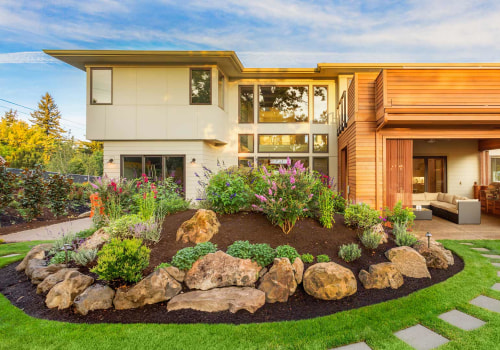
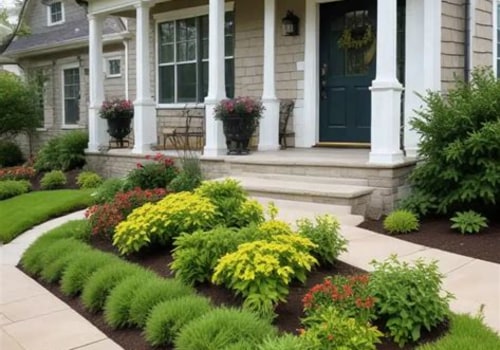
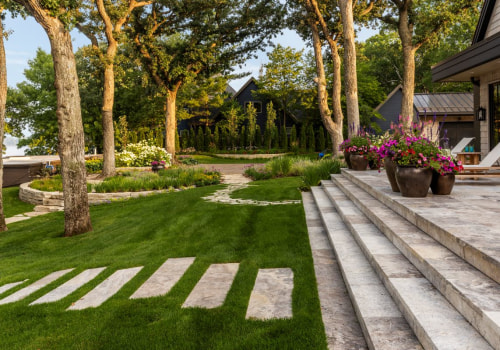
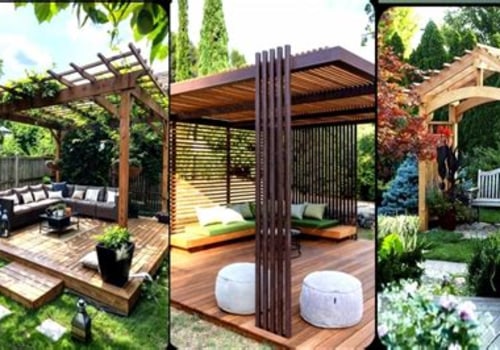
Landscape renovation is a transformative process that goes beyond mere aesthetics; it involves reimagining and revitalizing outdoor spaces to enhance their functionality, beauty, and ecological health. Whether you are looking to improve your home’s curb appeal, create a serene garden retreat, or increase property value, understanding the fundamentals of landscape renovation is essential. This process can include everything from redesigning garden layouts to implementing sustainable practices that promote biodiversity. The importance of landscape renovation cannot be overstated. A well-executed renovation not only elevates the visual appeal of your property but also contributes to environmental sustainability.
By selecting native plants, improving soil health, and incorporating water-efficient systems, homeowners can create landscapes that thrive with minimal maintenance while supporting local wildlife. Moreover, a thoughtfully renovated landscape can significantly enhance outdoor living experiences, making it a perfect space for relaxation and entertainment. As we delve deeper into the topic, it’s crucial to recognize that while landscape renovation offers numerous benefits, it is also fraught with potential pitfalls. Many homeowners embark on this journey with enthusiasm but may overlook critical aspects that can lead to costly mistakes. Understanding what landscape renovation entails and its significance sets the stage for identifying these common missteps, ensuring that your project not only meets your expectations but also stands the test of time.
Failing to Plan Properly
When embarking on a landscape renovation, one of the most critical steps is thorough planning.Failing to plan properly can lead to a myriad of issues that not only derail your project but also inflate costs and extend timelines. Here are some common mistakes to avoid during the planning phase:
- Neglecting Site Analysis: Before making any design decisions, it’s essential to conduct a comprehensive site analysis. This includes understanding the soil type, drainage patterns, sunlight exposure, and existing vegetation. Ignoring these factors can result in poor plant choices and ineffective layouts.
- Overlooking Budget Constraints: A common pitfall is underestimating the costs associated with landscape renovation.
Create a detailed budget that includes materials, labor, and maintenance costs. This will help you avoid overspending and ensure that your project remains financially viable.
- Skipping Design Plans: Jumping straight into the renovation without a clear design plan can lead to chaotic results. Take the time to sketch out your ideas or hire a professional landscape designer. A well-thought-out design will guide your project and help you visualize the end result.
- Ignoring Local Regulations: Many areas have specific regulations regarding landscaping, including restrictions on certain plants or structures.
Failing to check these regulations can lead to fines or the need for costly modifications later on.
- Not Considering Maintenance: It’s easy to get carried away with ambitious designs, but it’s crucial to consider how much time and effort you’re willing to invest in maintenance. Choose plants and materials that align with your lifestyle and maintenance capabilities.
Ignoring Site Conditions
When embarking on a landscape renovation, one of the most critical aspects to consider is the site conditions. Ignoring these factors can lead to a myriad of problems that not only affect the aesthetic appeal of your outdoor space but also its functionality and sustainability.Understanding Soil Quality
The foundation of any successful landscape renovation lies in the soil quality.Poor soil can hinder plant growth, leading to a lackluster garden. Before starting your project, conduct a soil test to assess its pH, nutrient levels, and texture. This information will guide you in selecting appropriate plants and amendments. For instance, if your soil is too acidic or alkaline, you may need to add lime or sulfur to create a more hospitable environment for your plants.
Addressing Drainage Issues
Another common mistake is neglecting drainage issues.Waterlogged areas can suffocate roots and promote disease, while dry patches can lead to wilting plants. Evaluate your site for natural drainage patterns and consider installing features such as swales or French drains to redirect excess water. Additionally, incorporating organic matter into your soil can improve its structure and drainage capabilities.
Considering Sunlight and Wind Exposure
Site conditions also encompass sunlight and wind exposure. Different plants have varying light requirements; therefore, it’s essential to observe how sunlight moves across your space throughout the day.Similarly, understanding wind patterns can help you position taller plants or install windbreaks to protect more delicate species.In summary, taking the time to assess and address site conditions during your landscape renovation will not only save you time and money in the long run but will also ensure a thriving outdoor environment that enhances your property’s value.
Choosing the Wrong Plants
One of the most significant mistakes homeowners make during a landscape renovation is choosing the wrong plants. Selecting inappropriate plants can lead to a host of problems, including poor growth, increased maintenance, and even plant death. To avoid these pitfalls, it’s essential to consider several factors when selecting plants for your landscape.Understand Your Environment
Before you start picking out plants, take the time to understand your local environment. Factors such as climate, soil type, and sunlight exposure play a crucial role in plant health.For instance, if you live in a region with hot summers and cold winters, opting for plants that thrive in such conditions is vital.
Choose Native Plants
One effective strategy is to incorporate native plants into your landscape renovation. Native species are adapted to the local climate and soil conditions, making them more resilient and easier to maintain. They also support local wildlife, including pollinators like bees and butterflies.Consider Plant Compatibility
Another common mistake is failing to consider plant compatibility. Not all plants can coexist harmoniously; some may compete for resources or attract pests that could harm others.When planning your landscape, group plants with similar water and light requirements together. This not only enhances their growth but also simplifies maintenance.
- Research: Look up the specific needs of each plant species.
- Diversity: Incorporate a variety of plants to create a balanced ecosystem.
- Consult Experts: Don’t hesitate to seek advice from local nurseries or landscape professionals.
Neglecting Maintenance Needs
When embarking on a landscape renovation, one of the most critical aspects to consider is the long-term maintenance needs of your newly designed space. Many homeowners focus solely on aesthetics, overlooking the essential care that will keep their landscape thriving.Neglecting maintenance requirements can lead to a host of problems down the line, including overgrown plants, pest infestations, and even soil degradation.
Maintenance planning
should be an integral part of your renovation strategy. Before you finalize your design, take the time to assess how much effort you are willing and able to invest in upkeep. This includes evaluating your schedule, budget, and available resources. For instance, if you have a busy lifestyle, opting for low-maintenance plants and materials can save you time and frustration in the long run.Key Maintenance Considerations
- Plant Selection: Choose native or drought-resistant plants that require less water and care.
- Irrigation Systems: Implement efficient watering systems to reduce labor and ensure proper hydration.
- Soil Health: Regularly test and amend your soil to support healthy plant growth.
- Pest Management: Develop an integrated pest management plan to address potential infestations before they escalate.
This proactive approach not only helps maintain the beauty of your landscape but also prevents costly repairs or replacements in the future. By prioritizing long-term care for landscapes during your renovation process, you can enjoy a vibrant outdoor space that remains healthy and appealing for years to come.
Overlooking Budget Constraints
One of the most significant pitfalls in landscape renovation is overlooking budget constraints. Many homeowners embark on their landscaping projects with grand visions, only to find themselves facing unexpected costs that can derail their plans. To avoid this common mistake, it’s essential to establish a realistic budget from the outset and stick to it throughout the renovation process.Understanding Your Landscape Renovation Budget
- Assess Your Financial Situation: Before diving into design ideas, take a close look at your finances.
Determine how much you can comfortably allocate to your landscape renovation without straining your budget.
- Research Costs: Gather estimates for materials, labor, and any additional services you may need. This research will help you create a more accurate budget and prevent cost overruns.
- Prioritize Your Needs: Identify which elements of your landscape are most important to you. This prioritization will help you allocate funds effectively and make informed decisions about where to splurge and where to save.
Strategies for Effective Financial Planning
- Create a Contingency Fund: It’s wise to set aside an additional 10-20% of your total budget for unforeseen expenses. This buffer can help you manage unexpected costs without derailing your entire project.
- Get Multiple Quotes: Don’t settle for the first estimate you receive.
Obtaining multiple quotes from different contractors can provide a clearer picture of the market rates and help you find the best deal.
- Track Your Spending: Keep a detailed record of all expenses as they occur. Regularly reviewing your spending against your budget will allow you to make adjustments as needed and avoid overspending.
Underestimating Timeframes
One of the most common pitfalls in landscape renovation is underestimating timeframes. Many homeowners embark on these projects with a vision of a quick transformation, only to find themselves facing unexpected delays and frustrations.Understanding the landscape renovation timeline is crucial for a successful outcome.When planning your project, it’s essential to consider several factors that can impact the overall schedule:
- Weather Conditions: Unpredictable weather can halt progress. Rain, extreme heat, or cold can delay planting and construction.
- Material Availability: Sourcing materials can take longer than anticipated. Ensure you have a reliable supplier and account for potential shipping delays.
- Labor Scheduling: If you’re hiring professionals, their availability may not align with your desired timeline. It’s wise to book services well in advance.
- Permits and Approvals: Depending on your location, you may need permits for certain renovations.
The approval process can be time-consuming.
- A Timeline: Break down the project into phases and assign realistic timeframes to each phase.
- Buffer Time: Always add extra time for unforeseen circumstances. A buffer can help alleviate stress if delays occur.
- Regular Check-ins: Schedule regular updates with your team to assess progress and adjust timelines as necessary.
Ignoring Local Regulations and Permits
When embarking on a landscape renovation, one of the most critical yet often overlooked aspects is understanding local regulations and obtaining the necessary permits.Ignoring these legal considerations can lead to significant setbacks, including fines, forced alterations, or even the complete halt of your project.Each municipality has its own set of rules governing landscaping practices, which may include restrictions on:
- Plant selection: Certain plants may be prohibited due to their invasive nature or potential harm to local ecosystems.
- Water usage: Regulations may dictate how much water can be used for irrigation, especially in areas prone to drought.
- Hardscaping materials: Some regions have guidelines on the types of materials that can be used for patios, walkways, and retaining walls.
- Setback requirements: These laws determine how far structures must be from property lines or bodies of water.
- Tree removal: Many areas require permits for cutting down trees, especially if they are of a certain size or species.
- Fencing and walls: Building fences or walls often necessitates a permit to ensure they meet safety and aesthetic standards.
- Irrigation systems: Installing new irrigation systems may require approval to ensure they comply with water conservation laws.
Conclusion: Key Takeaways for Successful Landscape Renovation
In conclusion, a successful landscape renovation requires careful planning and execution to avoid common pitfalls that can derail your project. By being aware of these mistakes, you can ensure that your outdoor space not only meets your aesthetic desires but also functions effectively for your lifestyle.Key Takeaways
- Neglecting Proper Planning: Always start with a well-thought-out plan that considers your space, budget, and long-term goals.
This will help you avoid costly changes down the line.
- Ignoring Soil Quality: Conduct a soil test to understand its composition and nutrient levels. Healthy soil is the foundation of a thriving landscape.
- Choosing Inappropriate Plants: Select plants that are suitable for your climate and soil conditions. Native plants often require less maintenance and are more resilient.
- Overlooking Maintenance Needs: Consider the long-term maintenance of your landscape. Choose designs and plants that fit your lifestyle and willingness to maintain them.
- Underestimating Costs: Be realistic about the budget.
Include all potential expenses, from materials to labor, to avoid financial strain during the renovation process.