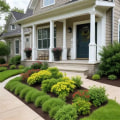
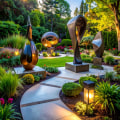
In an era where outdoor spaces are increasingly recognized as extensions of our living environments, landscape renovation has emerged as a vital practice for homeowners and businesses alike. But what exactly is landscape renovation? At its core, it involves the process of revitalizing and transforming existing landscapes to enhance their aesthetic appeal, functionality, and sustainability. This can range from simple updates like planting new flowers to comprehensive overhauls that include hardscaping, irrigation systems, and eco-friendly practices. The importance of landscape renovation cannot be overstated. As urbanization continues to encroach upon natural spaces, the need for well-designed landscapes that promote biodiversity and environmental health becomes paramount.
Renovating landscapes not only improves property value but also contributes to the well-being of communities by creating inviting spaces for recreation and relaxation. Furthermore, with growing awareness around climate change, many are turning to landscape renovation as a means to implement sustainable practices that reduce water usage and support local ecosystems. As we delve deeper into the trends shaping the future of landscape renovation, it’s essential to recognize how these transformations reflect broader societal shifts towards sustainability, wellness, and connectivity with nature. Whether you’re a homeowner looking to refresh your garden or a business aiming to enhance your outdoor space, understanding these trends will equip you with the knowledge to make informed decisions that align with contemporary values and environmental considerations.
Sustainable Landscaping Practices
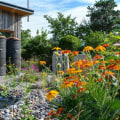
As homeowners increasingly prioritize environmental responsibility, sustainable landscaping practices have emerged as a leading trend in landscape renovation. These practices not only enhance the aesthetic appeal of outdoor spaces but also contribute to ecological health.One of the most popular methods is xeriscaping, which focuses on designing landscapes that require minimal irrigation.This approach is particularly beneficial in arid regions where water conservation is crucial. By selecting drought-resistant plants and employing efficient irrigation techniques, homeowners can create beautiful gardens that thrive with little water.Another key aspect of eco-friendly landscaping is the use of native plants. These plants are well-adapted to local climates and soil conditions, making them easier to maintain and more resilient against pests and diseases. Incorporating native species not only reduces the need for chemical fertilizers and pesticides but also supports local wildlife, including pollinators like bees and butterflies.
Organic gardening
is also gaining traction within the realm of sustainable landscaping.
This practice emphasizes the use of natural fertilizers and pest control methods, promoting a healthier ecosystem. Homeowners are increasingly opting for organic solutions to maintain their gardens, ensuring that their outdoor spaces are safe for children, pets, and the environment.In addition to these practices, many are embracing green landscaping trends such as rain gardens and permeable paving. Rain gardens help manage stormwater runoff by allowing rainwater to soak into the ground, reducing erosion and pollution. Permeable paving materials allow water to filter through surfaces, minimizing flooding and promoting groundwater recharge.Overall, the shift towards sustainable landscaping practices reflects a broader commitment to environmental stewardship.
By adopting these eco-friendly approaches in landscape renovation, homeowners can create stunning outdoor spaces that are both beautiful and beneficial to the planet.
Smart Technology in Landscape Design
In recent years, smart technology has revolutionized the field of landscape renovation, making it easier for homeowners to maintain their outdoor spaces while enhancing aesthetic appeal. One of the most significant advancements is the introduction of smart irrigation systems. These systems utilize sensors and weather data to optimize water usage, ensuring that plants receive the right amount of moisture without waste. This not only conserves water but also promotes healthier plant growth.Another exciting trend is the use of landscape design software.Homeowners can now visualize their renovation projects through 3D modeling tools that allow them to experiment with different layouts, plant selections, and hardscaping options. This technology empowers users to make informed decisions before any physical work begins, reducing the likelihood of costly mistakes.Moreover, landscape automation is gaining traction. Automated lighting systems can be programmed to adjust based on time of day or occupancy, enhancing both security and ambiance. Similarly, robotic lawn mowers are becoming increasingly popular, providing a hands-free solution for maintaining lawns while saving time and effort.As technology continues to evolve, we can expect even more innovative solutions in the realm of landscaping.
From drone-assisted surveying to augmented reality applications that help visualize changes in real-time, the integration of tech trends in landscaping is not just a passing fad; it’s a fundamental shift that caters to the needs of tech-savvy homeowners looking for efficiency and sustainability in their outdoor spaces.
Outdoor Living Spaces: A Growing Trend
As homeowners increasingly seek to maximize their outdoor spaces, landscape renovation has evolved to include the creation of outdoor living spaces. These areas serve as extensions of the home, providing a seamless transition between indoor and outdoor environments. From cozy patios to fully equipped outdoor kitchens, the trend is all about enhancing the outdoor experience.Patio Design Trends
Patios are at the forefront of this trend, with design elements that cater to both aesthetics and functionality. Popular patio design trends include:- Natural Stone and Pavers: Homeowners are gravitating towards natural materials that blend harmoniously with the landscape.
- Multi-Level Patios: Creating different levels adds visual interest and can define separate areas for dining, lounging, or entertaining.
- Integrated Seating: Built-in benches and seating walls not only save space but also encourage social interaction.
Outdoor Kitchens Landscaping
The rise of outdoor kitchens is another significant aspect of landscape renovation.These kitchens allow homeowners to cook and entertain outdoors, making them a popular choice for gatherings. Key features often include:
- Grills and Smokers: High-quality grills and smokers are essential for any outdoor kitchen, allowing for versatile cooking options.
- Counter Space: Ample counter space is crucial for food preparation and serving, often complemented by bar seating for casual dining.
- Weather-Resistant Materials: Using durable materials that withstand the elements ensures longevity and reduces maintenance.
Water Features and Their Popularity
In recent years, landscape renovation has increasingly embraced the incorporation of water features, transforming outdoor spaces into serene retreats. These elements not only enhance the aesthetic appeal of gardens but also promote a sense of tranquility and relaxation.Types of Water Features
- Garden Ponds: These are becoming a staple in modern landscaping.
Garden ponds can vary in size and shape, allowing homeowners to customize them according to their space. They often serve as habitats for fish and aquatic plants, adding biodiversity to the landscape.
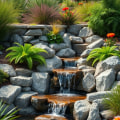
- Fountains: Fountains are another popular choice, ranging from simple wall-mounted designs to elaborate multi-tiered structures. They create soothing sounds that can mask unwanted noise from nearby streets or neighbors, enhancing the overall ambiance.
- Waterfalls: Incorporating a waterfall into a garden pond or as a standalone feature adds dynamic movement and visual interest. The sight and sound of cascading water can create a peaceful atmosphere, making it an ideal spot for relaxation.
Benefits of Water Features
- Aesthetic Appeal: Water features serve as focal points in landscape design, drawing the eye and creating a sense of harmony within the garden.
- Wildlife Attraction: Ponds and water gardens attract various wildlife, including birds, butterflies, and beneficial insects, enriching the ecosystem.
- Stress Relief: The sound of flowing water has been shown to reduce stress levels, making outdoor spaces more inviting for relaxation and meditation.
As homeowners seek to create personal sanctuaries, these elements will continue to play a vital role in landscape design.
Vertical Gardening: Maximizing Space
As urban living becomes increasingly popular, vertical gardening has emerged as a transformative trend in landscape renovation. This innovative approach allows homeowners to maximize their limited space while adding aesthetic appeal and functionality to their environments.Vertical gardening
involves growing plants on vertical surfaces, which can include walls, fences, or specially designed structures. This method not only saves ground space but also enhances air quality and provides insulation for buildings. Here are some key trends in vertical gardening:- Modular Systems: Many urban gardeners are opting for modular vertical garden systems that can be easily customized and expanded.
These systems often come with built-in irrigation and drainage, making maintenance a breeze.
- Living Walls: A popular choice for both residential and commercial spaces, living walls are vertical gardens that integrate a variety of plants into a wall structure. They serve as stunning focal points while improving the overall ambiance of the area.
- Edible Vertical Gardens: With the rise of the farm-to-table movement, many urban dwellers are incorporating edible plants into their vertical gardens. Herbs, vegetables, and even fruits can thrive in these setups, providing fresh produce right at home.
- Smart Technology: The integration of smart technology in vertical gardening is gaining traction. Automated watering systems and sensors that monitor plant health are becoming common features, making it easier for gardeners to maintain their green spaces.
This not only maximizes your available space but also adds layers and depth to your garden design.In conclusion, vertical gardening is an exciting trend that caters to the needs of urban gardeners seeking to optimize their limited space. By embracing this innovative approach, you can create a lush, vibrant environment that enhances your living area while contributing positively to the urban landscape.
Incorporating Edible Landscapes
As the trend of landscape renovation continues to evolve, one of the most exciting developments is the incorporation of edible landscapes. This approach not only enhances the aesthetic appeal of outdoor spaces but also promotes health and sustainability by allowing homeowners to grow their own food.Edible landscaping involves integrating fruit trees, vegetable gardens, and herb patches into traditional landscape designs. This trend appeals particularly to health-conscious individuals and those interested in self-sustainability.Here are some popular trends in edible landscaping:
- Vertical Gardens: Utilizing vertical space for growing herbs and vegetables is becoming increasingly popular, especially in urban settings where ground space is limited. Vertical planters can be both functional and decorative.
- Companion Planting: This technique involves planting different crops together to enhance growth and deter pests. For example, pairing tomatoes with basil not only maximizes space but also improves flavor.
- Native Edibles: Incorporating native plants that produce edible fruits or nuts can create a low-maintenance garden that supports local wildlife while providing fresh produce.
- Pollinator-Friendly Gardens: Designing gardens that attract bees, butterflies, and other pollinators can enhance the productivity of edible plants. Including flowering herbs and native plants can create a vibrant ecosystem.
Raised beds can improve drainage and soil quality, making it easier to grow a variety of crops. Additionally, incorporating pathways made from natural materials can enhance accessibility while maintaining a rustic charm.The benefits of growing food at home extend beyond just having fresh ingredients at your fingertips; it fosters a deeper connection with nature and encourages healthier eating habits. As more people seek to reduce their carbon footprint and embrace sustainable living, the trend of edible landscapes is likely to continue flourishing.
Low-Maintenance Landscaping Solutions
As more homeowners seek to enhance their outdoor spaces without the burden of extensive upkeep, low-maintenance landscaping solutions have surged in popularity. These designs not only save time but also contribute to a more sustainable environment.One of the most effective strategies for creating an easy care garden is to incorporate drought-resistant plants.These plants are specifically chosen for their ability to thrive in dry conditions, requiring minimal watering once established. Some popular options include:
- Sedum: This succulent is known for its resilience and comes in various shapes and colors.
- Lavender: Not only does it add a lovely fragrance, but it also attracts pollinators while needing little water.
- Agave: With its striking architectural form, agave is perfect for adding visual interest with minimal care.
These species are adapted to local climates and soil conditions, making them easier to care for. By choosing native plants, homeowners can create a thriving ecosystem that supports local wildlife while minimizing water usage.Finally, incorporating mulch into garden beds not only suppresses weeds but also retains moisture in the soil, further reducing the need for frequent watering. This simple addition can significantly enhance the overall health of a low-maintenance landscape.In summary, embracing low-maintenance landscaping through drought-resistant plants, hardscaping, native species, and effective mulching techniques allows busy homeowners to enjoy beautiful outdoor spaces without the hassle of constant upkeep.
Trends in Hardscaping Elements
As homeowners increasingly seek to enhance their outdoor spaces, hardscaping has emerged as a pivotal trend in landscape renovation. This encompasses the use of non-plant elements such as patios, walkways, and retaining walls, which not only add functionality but also elevate the aesthetic appeal of gardens and yards.Patio Materials
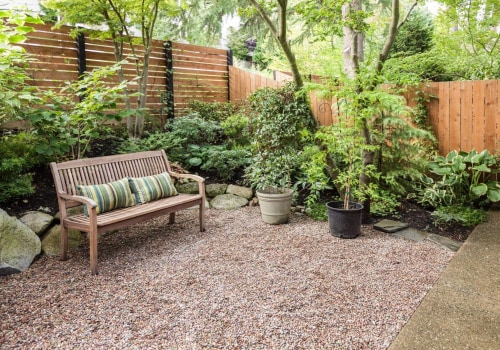
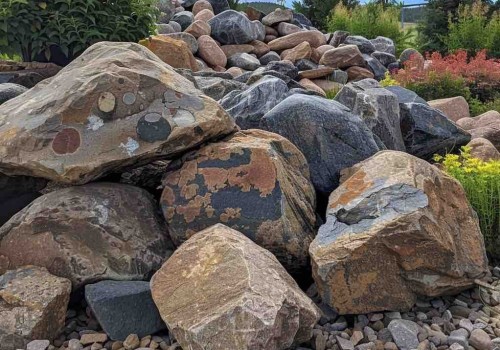
When it comes to patio materials, there is a noticeable shift towards natural stone and permeable pavers.Natural stone, such as slate and flagstone, offers a timeless look that blends seamlessly with the surrounding landscape. These materials are durable and can withstand various weather conditions, making them a popular choice for outdoor living spaces.
Permeable pavers
, on the other hand, are gaining traction due to their eco-friendly benefits. They allow water to seep through, reducing runoff and promoting groundwater recharge. This trend aligns with the growing emphasis on sustainability in landscape design.Retaining Walls Landscaping Ideas
Retaining walls are another significant component of hardscaping that is seeing innovative designs.Homeowners are opting for modular block systems that provide versatility in design while ensuring structural integrity. These walls can be used to create tiered gardens or to define different areas within a yard.Incorporating green walls or vertical gardens into retaining wall designs is also becoming popular. This not only adds visual interest but also helps in managing soil erosion while enhancing biodiversity in the landscape.Overall, the trends in hardscaping reflect a desire for both beauty and practicality. By choosing the right materials and designs, homeowners can create outdoor spaces that are not only functional but also serve as an extension of their living areas.
[FAQs] Common Questions About Landscape Renovation Trends
When considering landscape renovation, many homeowners have questions about the latest trends and best practices.Here are some common inquiries:
- What are the current trends in landscape renovation?
Some popular trends include the use of native plants, sustainable landscaping practices, and the incorporation of outdoor living spaces. Homeowners are increasingly looking to create environments that are both beautiful and environmentally friendly. - How can I make my landscape more sustainable?
To enhance sustainability, consider implementing xeriscaping, which reduces the need for irrigation, or using permeable paving materials that allow water to infiltrate the ground. Additionally, incorporating rain gardens can help manage stormwater runoff. - What are some tips for designing a functional outdoor space?
Start by assessing your needs and how you plan to use the space. Create zones for different activities, such as dining, relaxing, or gardening.Use pathways to connect these areas and ensure they flow well together.
- How do I choose the right plants for my landscape renovation?
Select plants that are suited to your local climate and soil conditions. Native plants are often a great choice as they require less maintenance and provide habitat for local wildlife.
[Conclusion] Key Takeaways on Landscape Renovation Trends
As we conclude our exploration of landscape renovation trends, it’s essential to reflect on the key points that have emerged. The world of landscaping is continually evolving, driven by a combination of environmental awareness, technological advancements, and changing aesthetic preferences.Summary of Landscape Renovation Trends
- Sustainable Practices: The shift towards eco-friendly landscaping solutions is more pronounced than ever. Homeowners are increasingly opting for native plants, xeriscaping, and organic gardening techniques that promote biodiversity and reduce water usage.
- Outdoor Living Spaces: The trend of creating functional outdoor areas continues to gain traction.
Features such as outdoor kitchens, fire pits, and comfortable seating areas are becoming staples in landscape design, enhancing the usability of outdoor spaces.
- Smart Technology: Integrating technology into landscaping is on the rise. Smart irrigation systems and landscape lighting controlled via mobile apps are making it easier for homeowners to maintain their gardens efficiently.
- Minimalist Designs: A move towards simplicity is evident in many modern landscapes. Clean lines, open spaces, and a focus on fewer but more impactful elements are defining contemporary landscape aesthetics.
Final Thoughts on Landscaping
Staying updated with these landscape renovation trends is crucial for homeowners looking to enhance their properties. Not only do these trends reflect current aesthetic preferences, but they also address practical concerns such as sustainability and maintenance efficiency.Incorporating these trends into your landscape renovation project can significantly increase your home’s curb appeal and overall value.As you consider your next landscaping endeavor, remember that informed choices lead to beautiful and functional outdoor spaces that can be enjoyed for years to come.Ultimately, embracing the latest trends in landscape renovation not only enhances your property but also contributes positively to the environment and community. Keep an eye on emerging trends to ensure your landscape remains relevant and appealing in the years ahead.