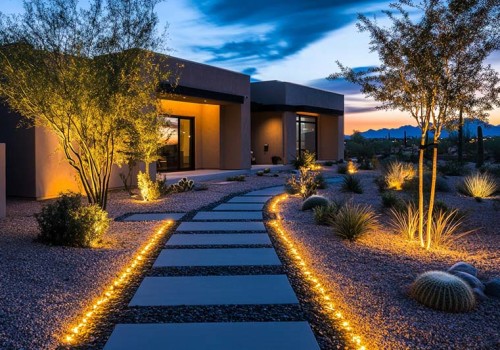
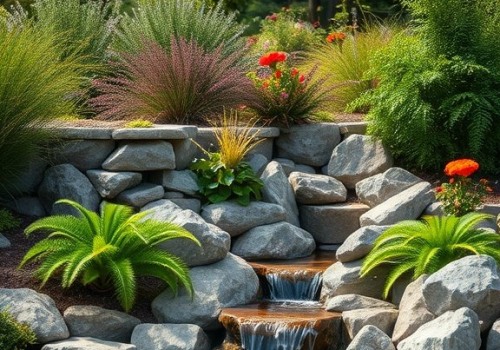
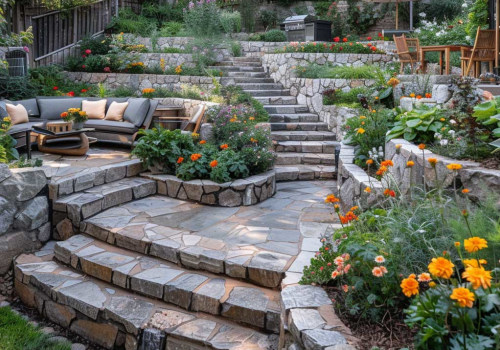
Landscape renovation is more than just a simple makeover of your outdoor space; it is a transformative process that can significantly enhance the aesthetic appeal and functionality of your property. At its core, landscape renovation involves the careful planning and execution of changes to existing landscapes, whether through the addition of new plants, the redesign of hardscapes, or the incorporation of sustainable practices. Understanding what landscape renovation entails is crucial for homeowners looking to create a space that reflects their personal style while also meeting practical needs. The benefits of landscape renovation extend beyond mere visual enhancement. A well-executed renovation can increase property value, improve environmental sustainability, and create a more enjoyable outdoor experience.
By integrating elements that resonate with your personal taste—be it through color schemes, plant selections, or layout designs—you can cultivate an outdoor environment that not only serves as an extension of your home but also as a personal sanctuary. This is where the significance of incorporating your unique style comes into play. As you embark on your landscape renovation journey, consider how your individual preferences can shape the project. Whether you lean towards a modern minimalist aesthetic or a lush, cottage garden vibe, understanding the fundamentals of landscape renovation will empower you to make informed decisions that align with your vision. This section will delve deeper into how you can effectively blend your personal style with practical landscaping techniques to create a harmonious and inviting outdoor space.
Identifying Your Personal Style
Identifying your personal style is a crucial first step in any landscape renovation project.Your outdoor space should reflect who you are and how you want to live. Here are some effective methods to help you discover your unique style:
- Reflect on Your Preferences: Start by considering what you love. Do you prefer a modern, minimalist look, or are you drawn to lush, cottage-style gardens? Make a list of elements that resonate with you.
- Gather Inspiration: Create a mood board using platforms like Pinterest or Houzz. Collect images of landscapes, plants, and outdoor furniture that appeal to you.
Pay attention to recurring themes or colors.
- Assess Your Space: Take a good look at your current landscape. What do you like or dislike about it? Understanding the strengths and weaknesses of your existing space can guide your renovation choices.
- Consider Your Lifestyle: Think about how you use your outdoor space. Do you entertain often? Need a play area for kids? Your lifestyle will heavily influence your design choices.
- Explore Different Styles: Familiarize yourself with various landscaping styles such as contemporary, traditional, tropical, or desert. Researching these can help clarify what resonates with you.
This can be as simple as categorizing your preferences into themes or styles that align with your vision for the renovation. For example, if you find yourself drawn to both modern and rustic elements, consider how to blend these styles harmoniously in your landscape design.Ultimately, the goal is to create an outdoor environment that not only enhances the beauty of your home but also serves as a personal sanctuary that reflects your individuality. By taking the time to identify your personal style, you'll make more informed decisions throughout the landscape renovation process.
Key Elements of Landscape Design
When embarking on a landscape renovation project, understanding the key elements of landscape design is crucial for creating a space that reflects your personal style. These elements not only enhance the aesthetic appeal of your outdoor area but also contribute to its functionality and sustainability.- Plants: The selection of plants is perhaps the most significant aspect of landscape design.
Choose flora that resonates with your personal taste, whether it’s vibrant flowers, lush greenery, or drought-resistant succulents. Consider the climate and soil conditions of your area to ensure that your plant choices thrive. Incorporating native plants can also enhance biodiversity and reduce maintenance.
- Hardscaping: This refers to the non-plant elements of your landscape, such as patios, walkways, and retaining walls. The materials you choose—be it natural stone, brick, or concrete—can dramatically influence the overall look and feel of your space.
For a modern aesthetic, opt for sleek lines and minimalistic designs; for a rustic vibe, consider reclaimed wood or cobblestones.
- Layout: The arrangement of plants and hardscaping features is essential in landscape design. A well-thought-out layout can create flow and harmony in your outdoor space. Use pathways to guide visitors through your garden, and consider focal points like sculptures or water features to draw the eye. Think about how you want to use the space—whether for entertaining, relaxation, or gardening—and design accordingly.
Remember that balance is key; too many competing elements can create visual chaos. Instead, aim for a cohesive design that reflects who you are and how you want to experience your outdoor environment.
Incorporating Personal Style into Plant Selection
Choosing the right plants for your landscape renovation is a crucial step in reflecting your personal style. The plants you select can significantly influence the overall aesthetic of your outdoor space, making it essential to consider how they align with your vision.1.Define Your Aesthetic
- Contemporary: If you prefer a modern look, consider plants with clean lines and geometric shapes, such as ornamental grasses or succulents.
- Traditional: For a classic feel, opt for roses, boxwoods, and other time-honored favorites that evoke nostalgia.
- Eclectic: Mix and match various plant types and colors to create a vibrant, personalized garden that tells your unique story.
2.Color Schemes Matter
Your choice of colors can dramatically affect the mood of your landscape. Consider the following:
- Warm Colors: Reds, oranges, and yellows can create an inviting atmosphere.
- Cool Colors: Blues, purples, and greens tend to evoke calmness and tranquility.
- Neutral Tones: Whites and grays can provide balance and allow other colors to pop.
3.Seasonal Considerations
Selecting plants that bloom in different seasons ensures that your landscape remains dynamic throughout the year.
For instance:
- Spring: Choose daffodils and tulips for vibrant early blooms.
- Summer: Incorporate lavender and sunstars for a burst of color.
- Fall: Opt for chrysanthemums and sedge grasses, which add warmth as temperatures drop.
- winter: Consider evergreens like holly, which provide structure and color even in the cold months.
4.Personal Touches
Add personal elements such as family heirloom plants or native species that resonate with your history or values. This not only enhances your landscape but also creates a deeper connection to your space.By thoughtfully considering these aspects of plant selection, you can create a landscape that not only meets functional needs but also beautifully reflects your personal style.
Hardscaping: Creating Structure with Style
When it comes to landscape renovation, hardscaping plays a crucial role in establishing the overall structure and aesthetic of your outdoor space. By incorporating various hardscaping options, you can create a landscape that not only serves functional purposes but also reflects your personal style.Hardscaping Options
- Patios: A well-designed patio can serve as an outdoor living area, perfect for entertaining or relaxing. Choose materials like natural stone, pavers, or stamped concrete to align with your style—rustic, modern, or traditional.
- Walkways: Pathways guide visitors through your garden and can be made from a variety of materials such as gravel, brick, or flagstone.
Consider the width and shape of the walkway to complement your landscape design.
- Retaining Walls: These structures not only provide support for sloped areas but can also be a focal point in your garden. Use materials like timber, stone, or concrete blocks to create walls that enhance your personal aesthetic.
Choosing Hardscape Materials
The choice of materials is essential in hardscaping. Each material has its own texture, color, and durability, which can significantly influence the overall look of your landscape. For instance:
- Natural Stone: Offers a timeless appeal and blends seamlessly with nature.
- Pavers: Available in various shapes and colors, they allow for creative patterns that can express individuality.
- Concrete: A versatile option that can be customized with stains or stamps to mimic other materials.
Incorporating Hardscaping into Landscape Design
To effectively incorporate hardscaping into your landscape design, consider how these elements interact with plants and other features.
For example, using curved pathways can soften the look of a garden while guiding the eye through different areas. Additionally, integrating seating walls around fire pits or gardens creates inviting spaces that encourage relaxation and socialization.Ultimately, the key to a successful landscape renovation lies in harmonizing hardscaping elements with your personal style. By thoughtfully selecting materials and designs that resonate with you, you can create an outdoor space that is both functional and uniquely yours.
Color Schemes and Textures in Landscape Renovation
Incorporating color schemes and textures into your landscape renovation is essential for creating a cohesive and personalized outdoor space. The right combination can enhance the aesthetic appeal of your garden while reflecting your unique style.Choosing Colors for Landscaping
- Understand Color Theory: Familiarize yourself with the color wheel to identify complementary and contrasting colors.
For instance, pairing warm colors like reds and yellows with cool colors like blues and greens can create a vibrant yet balanced look.
- Consider Seasonal Changes: Select colors that will look good throughout the seasons. Evergreens provide a consistent backdrop, while seasonal flowers can add bursts of color at different times of the year.
- Personal Preference: Reflect on your favorite colors and how they can be integrated into your landscape. Whether you prefer bold, bright hues or soft, muted tones, ensure that your choices resonate with your personal style.
Textures in Landscape Design
The use of textures adds depth and interest to your landscape. Here are some ways to incorporate various textures:
- Layering Plants: Combine plants with different leaf shapes and sizes.
For example, pairing feathery ferns with broad-leaved hostas creates a dynamic visual contrast.
- Hardscaping Elements: Incorporate materials like stone, wood, or metal in pathways, walls, or garden furniture. Each material brings its own texture, enhancing the overall design.
- Ground Cover: Use a variety of ground covers to create a textured carpet effect. Options like moss, gravel, or low-growing plants can add richness to your landscape.
Creating Focal Points and Features
Incorporating personal style into your landscape renovation can be achieved by creating focal points and unique features that draw the eye and reflect your aesthetic preferences.These elements not only enhance the visual appeal of your outdoor space but also serve as conversation starters and expressions of your individuality.
Water Features
One popular way to create a focal point is through the addition of water features. Whether it’s a tranquil pond, a bubbling fountain, or a sleek modern waterfall, water elements can introduce a sense of serenity and movement to your landscape. Consider the style of your home when choosing a water feature; for instance, a rustic stone fountain may complement a traditional home, while a minimalist pond with clean lines might suit a contemporary design.Sculptures and Garden Art
Another effective method to showcase your personal style is by incorporating sculptures or garden art. These pieces can range from large, eye-catching sculptures to smaller, whimsical accents that add character to your garden.When selecting art, think about materials and themes that resonate with you—metal sculptures can provide an industrial feel, while wooden carvings may evoke a more organic vibe.
Creating Interest with Planting
In addition to structural features, consider how you can use plants to create interest in your landscape design. Grouping plants with varying heights, colors, and textures can create natural focal points. For example, tall ornamental grasses can frame a seating area, while vibrant flowering plants can draw attention to specific spots in your garden.Ultimately, the key to successful landscape renovation lies in blending these focal points and features harmoniously with the overall design. By thoughtfully selecting elements that resonate with your personal style, you can transform your outdoor space into a true reflection of who you are.Sustainable Practices in Landscape Renovation
Incorporating sustainable practices into your landscape renovation not only benefits the environment but also allows you to express your personal style in a meaningful way.By choosing eco-friendly materials and designs, you can create a space that reflects your values while enhancing the beauty of your surroundings.
1.Choose Native Plants
- Native plants are adapted to the local climate and soil conditions, requiring less water and maintenance.
- They provide habitat for local wildlife, promoting biodiversity in your garden.
- Incorporating native plants can help you achieve a unique aesthetic that resonates with the natural landscape.
2.Implement Water-Saving Techniques
- Consider installing a rain garden or permeable paving to manage stormwater runoff effectively.
- Drip irrigation systems can minimize water waste while ensuring your plants receive adequate hydration.
- Using mulch can help retain moisture in the soil, reducing the need for frequent watering.
3.Use Recycled and Sustainable Materials
- Select materials like reclaimed wood, recycled stone, or eco-friendly pavers to reduce your carbon footprint.
- These materials can add character and a unique touch to your landscape design, showcasing your personal style.
4.Create Functional Spaces
- Design areas that encourage outdoor living, such as patios made from sustainable materials or gardens that provide fresh produce.
- Incorporate seating made from recycled materials to create inviting spaces for relaxation and socializing.
Working with Professionals vs. DIY Approaches
When embarking on a landscape renovation project, one of the first decisions you'll face is whether to hire professionals or take a DIY approach. Each option has its own set of advantages and challenges that can significantly impact the outcome of your project.Working with Professionals
- Expertise and Experience: Landscape renovation professionals bring a wealth of knowledge and experience to the table.
They understand the nuances of design, plant selection, and local climate conditions, ensuring that your landscape not only looks good but thrives over time.
- Time Efficiency: Hiring a professional can save you considerable time. They have the tools and manpower to complete projects quickly, allowing you to enjoy your newly renovated space sooner.
- Access to Resources: Professionals often have access to high-quality materials and plants that may not be available to the general public. This can elevate the overall quality of your landscape renovation.
DIY Landscaping Tips
- Personal Touch: A DIY approach allows you to infuse your personal style into every aspect of the renovation. From selecting plants that resonate with you to designing unique features, your landscape will reflect your individuality.
- Cost Savings: Taking on the project yourself can significantly reduce costs.
You can allocate funds towards materials rather than labor, making it a budget-friendly option.
- Learning Experience: Engaging in DIY landscaping can be a rewarding learning experience. You'll gain valuable skills and knowledge about gardening and design that you can apply in future projects.
When to Hire a Landscaper
If your landscape renovation project involves complex designs, large-scale installations, or requires specialized knowledge (like drainage solutions or hardscaping), it may be wise to consult with a professional. Additionally, if time constraints or physical limitations are a concern, hiring an expert can alleviate stress and ensure a successful outcome.Ultimately, the decision between hiring professionals or opting for a DIY approach should align with your personal style, budget, and project goals. Assessing these factors will help you create a landscape that not only meets your aesthetic desires but also functions well for your lifestyle.
[FAQs] Common Questions About Landscape Renovation and Personal Style
When considering a landscape renovation, many homeowners have questions about how to effectively incorporate their personal style into the design.Here are some common queries and insights to help guide your project:
- What are the first steps in planning a landscape renovation?
Begin by assessing your current landscape and identifying elements that you love or dislike. Create a mood board with images that reflect your personal style, whether it’s modern, rustic, or tropical. This will serve as a visual guide throughout the renovation process. - How can I choose plants that reflect my style?
Select plants that resonate with your aesthetic preferences. For instance, if you prefer a minimalist look, opt for clean lines and a limited color palette.Conversely, if you enjoy a vibrant garden, incorporate a variety of flowering plants and foliage.
- Is it important to consider functionality in my design?
Absolutely! While personal style is crucial, functionality should not be overlooked. Think about how you plan to use the space—whether for entertaining, gardening, or relaxation—and design accordingly. - Can I mix different styles in my landscape renovation?
Yes, blending styles can create a unique and personalized space. However, ensure that there is a cohesive theme throughout the design to avoid a disjointed appearance.
[Conclusion] Bringing Your Vision to Life Through Landscape Renovation
In conclusion, landscape renovation is not just about enhancing the aesthetic appeal of your outdoor space; it is a profound opportunity to express your personal style and create an environment that resonates with who you are.Throughout this article, we have explored various ways to integrate your unique tastes into your landscape design, from selecting the right plants to choosing hardscaping materials that reflect your personality. To summarize, here are some key points to consider when embarking on your landscape renovation journey:
- Define Your Style: Take the time to identify what styles resonate with you—be it modern, rustic, tropical, or minimalist. This will serve as the foundation for your design choices.
- Incorporate Personal Elements: Use decor items, colors, and textures that reflect your personality. Whether it’s a vibrant flower bed or a serene water feature, these elements can make a significant impact.
- Consider Functionality: Your landscape should not only look good but also serve your lifestyle needs. Think about how you want to use the space—entertaining guests, gardening, or simply relaxing.
- Seek Professional Guidance: If needed, don’t hesitate to consult with landscape designers who can help translate your vision into reality while ensuring practical execution.
By thoughtfully incorporating your personal style into the design process, you can transform your outdoor space into a true reflection of yourself. Remember that this is not just a project; it’s an investment in your home and well-being. Embrace the journey and let your vision flourish!.