In the realm of landscape renovation, the integration of water conservation techniques is not just a trend; it is a necessity. As climate change continues to impact weather patterns and water availability, understanding the importance of conserving this vital resource becomes paramount. Renovating landscapes with a focus on sustainability not only enhances aesthetic appeal but also contributes significantly to environmental health. Water conservation in landscape renovation involves implementing strategies that reduce water usage while maintaining the beauty and functionality of outdoor spaces. This approach not only helps in preserving local ecosystems but also lowers utility costs for homeowners and businesses alike.
By prioritizing water-efficient practices, we can create resilient landscapes that thrive even in periods of drought. Moreover, the significance of water conservation extends beyond individual properties. When communities adopt these practices collectively, the cumulative effect can lead to substantial reductions in overall water consumption. This shift not only alleviates pressure on local water supplies but also fosters a culture of sustainability that can inspire future generations. As we delve deeper into the various techniques for incorporating water conservation into landscape renovation, it becomes clear that these efforts are essential for creating a sustainable future.
Assessing Your Current Landscape for Water Efficiency
To effectively incorporate water conservation techniques into your landscape renovation, it is essential to first assess your current landscape for water efficiency.This evaluation will help identify areas where improvements can be made, ensuring that your renovation efforts are both sustainable and cost-effective.Begin by examining the existing plants and their water needs. Consider the following:
- Plant Selection: Are there any high-water-use plants that could be replaced with drought-resistant alternatives? Native plants often require less water and are better adapted to local conditions.
- Soil Quality: Assess the soil type and its ability to retain moisture. Amending soil with organic matter can improve its water-holding capacity, reducing the need for frequent irrigation.
- Irrigation Systems: Evaluate your current irrigation setup. Is it efficient? Consider upgrading to a drip irrigation system or installing smart controllers that adjust watering based on weather conditions.
- Sun and Shade Patterns: Identify areas that receive full sun versus those that are shaded.
Grouping plants with similar water needs together can optimize irrigation.
- Water Runoff: Look for areas where water tends to pool or run off quickly. Implementing swales or rain gardens can help capture and utilize this runoff effectively.
- Hardscaping: Use permeable materials for walkways and patios to allow rainwater to infiltrate the ground rather than running off.
- Zoning: Create zones within your landscape that cater to different water needs, allowing for targeted irrigation practices.
Choosing Native and Drought-Resistant Plants
Incorporating native and drought-resistant plants into your landscape renovation is a sustainable choice that not only conserves water but also enhances the local ecosystem.These plants are adapted to the local climate and soil conditions, making them more resilient and easier to maintain.
Benefits of Native Plants:
- Water Efficiency: Native plants typically require less water than non-native species, as they are adapted to survive in local rainfall conditions.
- Soil Adaptation: They thrive in the existing soil types, reducing the need for soil amendments and fertilizers.
- Biodiversity Support: Native plants provide habitat and food for local wildlife, including pollinators like bees and butterflies.
- Aesthetic Appeal: Many native species offer beautiful blooms and foliage that can enhance the visual appeal of your landscape.
Drought-Resistant Plants:
Drought-resistant plants are specifically selected for their ability to withstand dry conditions. These plants often have deep root systems, thick leaves, or other adaptations that allow them to conserve moisture. Here are some popular options:
- Lavender: Known for its fragrant flowers and drought tolerance, lavender adds color and aroma to any garden.
- Sedum: This succulent is perfect for ground cover and requires minimal watering once established.
- Agave: With its striking architectural form, agave is a low-maintenance choice that thrives in arid conditions.
By selecting a mix of native and drought-resistant species, you can create a vibrant, sustainable landscape that thrives with minimal water input.
Implementing Efficient Irrigation Systems
Incorporating efficient irrigation systems into your landscape renovation is crucial for conserving water while maintaining a vibrant garden. One of the most effective methods is drip irrigation, which delivers water directly to the roots of plants through a network of tubing and emitters. This targeted approach minimizes evaporation and runoff, ensuring that every drop counts.Drip irrigation systems can be customized to fit various landscape designs, making them suitable for both small gardens and larger properties. By adjusting the flow rate and emitter placement, homeowners can cater to the specific water needs of different plants, promoting healthier growth and reducing water waste.Another innovative option is smart irrigation technology.These systems utilize sensors and weather data to optimize watering schedules based on real-time conditions. For instance, soil moisture sensors can detect when the ground is sufficiently wet, automatically adjusting the irrigation schedule to prevent overwatering. This not only conserves water but also saves on utility bills.Additionally, many smart irrigation controllers can be integrated with smartphone apps, allowing homeowners to monitor and manage their watering systems remotely. This level of control ensures that landscapes receive the right amount of water at the right time, further enhancing water conservation efforts.In summary, implementing efficient irrigation systems, such as drip irrigation and smart technology, is essential for any landscape renovation project aimed at conserving water.
By choosing the right system, you can create a sustainable landscape that thrives while minimizing environmental impact.
Incorporating Hardscaping Elements to Reduce Water Usage
Incorporating hardscaping elements into your landscape renovation can significantly reduce water usage while enhancing the aesthetic appeal of your outdoor space. By utilizing materials such as stone, gravel, and concrete, you can create functional areas that require minimal irrigation.Benefits of Hardscaping
One of the primary advantages of hardscaping is its ability to manage water runoff effectively. Unlike traditional landscaping, which often relies on grass and plants that need regular watering, hardscaped areas can absorb rainwater and reduce the need for additional irrigation. Here are some key benefits:- Low Maintenance: Hardscaped surfaces require less upkeep compared to grassy areas, which need mowing, fertilizing, and watering.
- Water Efficiency: By using permeable materials, you can allow rainwater to seep into the ground, replenishing groundwater supplies without the need for artificial watering.
- Aesthetic Versatility: Hardscaping offers a variety of design options, from patios and walkways to retaining walls and decorative features.
Effective Hardscaping Techniques
When planning your landscape renovation, consider these landscape hardscaping techniques to maximize water conservation:- Permeable Pavers: These allow water to flow through the surface, reducing runoff and promoting groundwater recharge.
- Gravel Paths: Using gravel instead of grass for pathways minimizes the need for watering while providing a natural look.
- Stone Retaining Walls: These not only add visual interest but also help manage soil erosion and water drainage effectively.
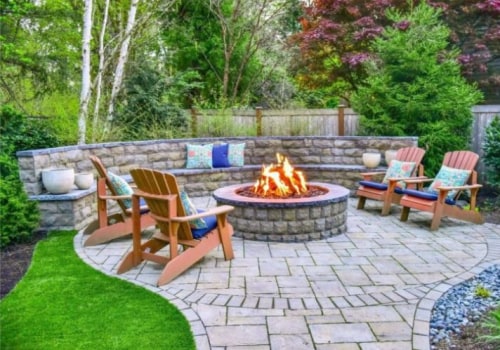
- Outdoor Living Spaces: Incorporate patios or decks made from stone or composite materials to create inviting areas that don’t require irrigation.
This approach not only benefits your property but also contributes positively to the surrounding ecosystem.
Utilizing Rainwater Harvesting Techniques
Incorporating rainwater harvesting techniques into your landscape renovation not only promotes water conservation but also enhances the sustainability of your outdoor space. By collecting and utilizing rainwater, you can significantly reduce your reliance on municipal water sources for irrigation.Here are some effective ways to implement rainwater harvesting systems in your renovated landscape:- Install Rain Barrels: Position rain barrels at downspouts to collect runoff from your roof. These barrels can be connected to a drip irrigation system, allowing you to water your plants efficiently.
- Create a Rain Garden: Design a rain garden that captures and absorbs rainwater runoff. This not only helps in managing stormwater but also provides a habitat for local wildlife.
- Use Permeable Paving: Incorporate permeable materials for walkways and driveways.
This allows rainwater to seep into the ground rather than running off, replenishing groundwater supplies.
- Implement Cisterns: For larger landscapes, consider installing underground cisterns that can store significant amounts of rainwater. These systems can be integrated with pumps to distribute water throughout your garden.
- Design Roof Overhangs: Modify roof designs to include overhangs that direct rainwater into collection systems. This simple architectural change can enhance your harvesting capabilities.
By taking these steps, you can create a beautiful, sustainable outdoor space that thrives on natural resources.
Creating a Sustainable Landscape Design Plan
Creating a sustainable landscape design plan is essential for incorporating effective water conservation techniques into your renovated landscape. A well-thought-out plan not only enhances the aesthetic appeal of your property but also promotes eco-friendly practices that benefit the environment.To begin, consider the following steps:- Assess Your Site: Evaluate the existing conditions of your landscape, including soil type, sun exposure, and drainage patterns. Understanding these factors will help you choose appropriate plants and design elements that require less water.
- Select Native Plants: Incorporate native plants into your design. These species are adapted to your local climate and typically require less water and maintenance than non-native varieties.
They also support local wildlife and promote biodiversity.
- Implement Efficient Irrigation: Design an irrigation system that minimizes water waste. Consider drip irrigation or soaker hoses, which deliver water directly to the plant roots. Additionally, schedule watering during early morning or late evening to reduce evaporation.
- Create Water Features: Integrate features such as rain gardens or bioswales that capture and filter rainwater runoff. These elements not only enhance the beauty of your landscape but also improve water quality and promote groundwater recharge.
- Use Mulch: Apply a layer of organic mulch around plants to retain moisture in the soil, suppress weeds, and regulate soil temperature.
This simple technique can significantly reduce the need for frequent watering.
Maintaining Your Water-Efficient Landscape Post-Renovation
Maintaining a water-efficient landscape after a renovation is crucial for ensuring that your efforts in landscape renovation yield long-term benefits. Here are some effective strategies to keep your landscape thriving while conserving water:- Regular Monitoring: Keep an eye on your plants and soil moisture levels. Use a moisture meter to determine when watering is necessary, preventing overwatering and promoting deep root growth.
- Mulching: Apply a layer of organic mulch around plants to retain soil moisture, suppress weeds, and regulate soil temperature.
This practice not only conserves water but also enriches the soil as the mulch decomposes.
- Efficient Irrigation: If you have an irrigation system, ensure it is set to water during the early morning or late evening to minimize evaporation. Consider installing a drip irrigation system that delivers water directly to the roots of plants.
- Seasonal Adjustments: Adjust your watering schedule based on seasonal changes. During cooler months or rainy seasons, reduce watering frequency to align with natural precipitation.
- Native and Drought-Resistant Plants: Incorporate more native and drought-resistant plants into your landscape. These plants are adapted to local conditions and require less water once established.
Prune dead or overgrown branches to improve air circulation and sunlight exposure, which can help plants thrive with less water. Additionally, keep an eye out for pests and diseases that can stress plants and increase their water needs.Finally, consider implementing a rainwater harvesting system to collect runoff from roofs and other surfaces. This collected water can be used for irrigation, further enhancing your landscape's sustainability.By following these tips, you can ensure that your renovated landscape remains not only beautiful but also efficient in its use of water, contributing to a more sustainable environment.
FAQs About Water Conservation in Landscape Renovation
When considering water conservation in landscape renovation, many homeowners have questions about the best practices and techniques to implement. Here are some frequently asked questions that can help guide your efforts:- What are the most effective water-saving plants for my landscape?
Choosing native and drought-resistant plants is key.These plants are adapted to local climates and require less water once established. Examples include lavender, sedum, and agave.
- How can I design my landscape to reduce water usage?
Incorporate features such as xeriscaping, which focuses on using minimal water through strategic plant selection and placement. Grouping plants with similar water needs together can also enhance efficiency. - What irrigation methods are best for conserving water?
Drip irrigation systems are highly efficient, delivering water directly to the roots of plants. Additionally, using smart controllers can optimize watering schedules based on weather conditions. - How can I improve soil health to retain moisture?
Amending soil with organic matter, such as compost, can enhance its structure and moisture retention capabilities.This not only conserves water but also promotes healthier plant growth.
- Are there any landscaping features that help with water conservation?
Yes! Incorporating rain gardens, permeable paving, and bioswales can help manage stormwater runoff while allowing it to infiltrate the ground, reducing the need for additional irrigation.
Conclusion: Embracing Water Conservation in Your Landscape Renovation Journey
In conclusion, embracing water conservation techniques during your landscape renovation is not just a responsible choice; it is an essential step towards creating a sustainable environment. By implementing the strategies discussed, you can significantly reduce water usage while enhancing the beauty and functionality of your outdoor spaces.To recap, consider the following key points:- Native Plants: Opt for native and drought-resistant plants that require less water and are better adapted to your local climate.
- Efficient Irrigation: Install drip irrigation systems or smart controllers that adjust watering schedules based on weather conditions, ensuring that plants receive the right amount of moisture without waste.
- Rainwater Harvesting: Incorporate rain barrels or cisterns to collect and store rainwater, which can be used for irrigation, reducing reliance on municipal water sources.
- Mulching: Use organic mulch around plants to retain soil moisture, suppress weeds, and improve soil health.
- Soil Health: Invest in soil amendments to enhance its structure and water retention capabilities, allowing plants to thrive with less frequent watering.