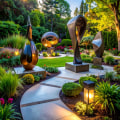
Landscape renovation is a transformative process that revitalizes outdoor spaces, enhancing both their aesthetic appeal and functionality. This practice involves reimagining existing landscapes to better meet the needs of homeowners while also respecting the natural environment. By integrating elements such as rocks and boulders, landscape renovation can create a harmonious balance between man-made structures and nature, resulting in a more inviting and sustainable outdoor area. The importance of landscape renovation cannot be overstated. As our lifestyles evolve, so do our outdoor needs.
Whether it’s creating a serene garden retreat, a vibrant entertainment space, or a functional area for children to play, thoughtful renovation can significantly improve the usability of your landscape. Moreover, incorporating natural elements like stones not only adds visual interest but also promotes biodiversity by providing habitats for local wildlife. Incorporating natural elements into your landscape renovation offers numerous benefits. For one, rocks and boulders can serve as focal points that draw the eye and anchor the design. They can also be used to create pathways, retaining walls, or even water features that enhance the overall experience of the space.
Additionally, these materials are often low-maintenance and durable, making them an excellent choice for long-lasting outdoor solutions. Ultimately, embracing nature in your landscape renovation can lead to a more cohesive and beautiful environment that reflects your personal style while benefiting the ecosystem.
The Role of Natural Elements in Landscape Design
Incorporating natural elements such as rocks and boulders into landscape design is not just a trend; it is a fundamental principle that enhances both the aesthetic and ecological value of a space. These elements serve as focal points, creating visual interest and texture that can transform an ordinary garden into a captivating landscape.Aesthetic Benefits
- Visual Contrast: Rocks and boulders provide a striking contrast to soft plant materials, adding depth and dimension to the landscape.
- Natural Beauty: The organic shapes and colors of stones can complement various plant species, enhancing the overall beauty of the garden.
- Focal Points: Large boulders can act as natural sculptures, drawing the eye and serving as conversation starters in outdoor spaces.
Ecological Benefits
- Habitat Creation: Rocks can create microhabitats for various wildlife, including insects and small mammals, promoting biodiversity.
- Soil Erosion Control: Strategically placed boulders can help prevent soil erosion on slopes, maintaining the integrity of your landscape.
- Water Management: Natural stone features can assist in managing water runoff, directing it to where it is needed most in the garden.
Additionally, using local stone varieties can enhance the sense of place, making your landscape feel more connected to its environment.In conclusion, incorporating natural elements like rocks and boulders into landscape design not only elevates the visual appeal but also contributes significantly to ecological health. By thoughtfully integrating these features, you can create a sustainable and beautiful outdoor space that resonates with nature.
Types of Rocks and Boulders for Landscape Renovation
When considering landscape renovation, incorporating various types of rocks and boulders can significantly enhance the aesthetic and functional aspects of your outdoor space. Here are some popular options:- Granite: Known for its durability and resistance to weathering, granite is an excellent choice for pathways and retaining walls. Its natural beauty comes in a variety of colors, making it versatile for different design themes.
- Limestone: This sedimentary rock is softer than granite, making it easier to shape.
Limestone is ideal for creating garden beds or decorative features. Its neutral tones blend well with plants and flowers.
- River Rock: Smooth and rounded, river rocks are perfect for creating dry riverbeds or as ground cover. They provide excellent drainage and can be used in zen gardens or around water features.
- Slate: With its unique layered appearance, slate adds a sophisticated touch to any landscape. It can be used for patios, walkways, or as decorative accents in garden beds.
- Fieldstone: These naturally occurring stones vary in size and shape, making them ideal for rustic designs.
Fieldstone can be used in walls, paths, or as standalone features that draw the eye.
- Accent Boulders: Large boulders can act as statement pieces in gardens, drawing attention and creating visual interest.
- Seating Boulders: Strategically placed boulders can provide natural seating areas, perfect for enjoying the outdoors.
- Retaining Boulders: In sloped landscapes, boulders can help prevent erosion while adding texture and depth to the design.
Incorporating Rocks and Boulders into Your Landscape
Incorporating rocks and boulders into your landscape renovation can create stunning focal points and enhance the natural beauty of your outdoor space. Here are some practical tips on how to effectively use these elements in your design.Choosing the Right Rocks
When selecting rocks for your landscape, consider their size, shape, and color.Natural stones such as granite, limestone, or river rocks can add texture and contrast to your garden. For a cohesive look, choose rocks that complement the existing features of your landscape.
Placement Techniques
- Layering: Create depth by layering smaller rocks in front of larger boulders. This technique draws the eye and adds visual interest.
- Grouping: Cluster rocks in groups of three or five to mimic natural formations. This arrangement feels more organic and less staged.
- Pathways: Use flat stones to create stepping stones or pathways through your garden.
This not only enhances accessibility but also integrates rocks seamlessly into the landscape.
Design Ideas
Consider these creative ideas for incorporating boulders into your garden design:- Water Features: Position large boulders near ponds or fountains to create a naturalistic look. They can serve as a backdrop or even as part of the water feature itself.
- Seating Areas: Use flat-topped boulders as informal seating options in your garden. This encourages relaxation and interaction with nature.
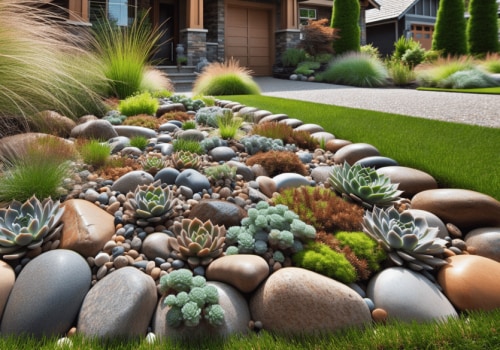
- Rock Gardens: Design a rock garden by combining various sizes of rocks with drought-resistant plants. This low-maintenance option is perfect for adding interest without excessive upkeep.
Creating Focal Points with Rocks and Boulders
Incorporating rocks and boulders into your landscape renovation can significantly enhance the visual appeal of your outdoor space.These natural elements serve as focal points, drawing the eye and creating a sense of harmony with the surrounding environment.
Choosing the Right Location
- Identify areas in your garden that lack interest or are underutilized. Placing a large boulder in these spots can transform them into captivating focal points.
- Consider the scale of your landscape. A massive boulder can dominate a small garden, while smaller rocks can complement larger plants and structures.
Designing with Rocks and Boulders
- Layering: Use rocks of varying sizes to create depth. Position smaller stones around larger boulders to enhance their presence and create a natural look.
- Grouping: Cluster several rocks together rather than placing them individually.
This arrangement mimics natural formations and adds visual interest.
- Integrating Plants: Surround boulders with native plants or succulents to soften their appearance and create a seamless transition between hardscape and softscape.
Creating Pathways and Borders
Boulders can also be used to define pathways or borders within your landscape. By strategically placing rocks along a walkway, you can guide visitors through your garden while adding texture and contrast. Additionally, using smaller stones as edging for flower beds or garden borders can help delineate spaces while enhancing the overall aesthetic.Finally, consider incorporating water features alongside rocks and boulders. A small pond or fountain surrounded by stones can create a serene atmosphere, making your landscape not only visually appealing but also inviting for relaxation.
Combining Rocks with Other Natural Elements
Incorporating rocks and boulders into your landscape renovation can create a stunning visual impact, especially when combined with other natural elements.Here are some effective ways to achieve a harmonious design:
- Rocks with Plants: Pairing rocks with various plant species can enhance the natural beauty of your landscape. Consider using native plants that thrive in your region, as they will complement the rugged texture of the rocks. For instance, low-growing ground covers like creeping thyme or sedum can soften the edges of larger boulders while providing vibrant color.
- Layering Techniques: Use different sizes and shapes of rocks to create layers in your landscape. Larger boulders can serve as focal points, while smaller stones can be used to create pathways or borders around flower beds.
This layering not only adds depth but also encourages biodiversity by providing various habitats for wildlife.
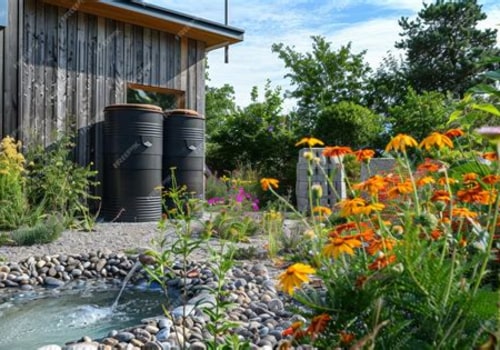
- Integrating Water Features: Rocks can beautifully frame water features such as ponds, streams, or waterfalls. When designing a water feature, consider using natural stones that match the surrounding landscape. This integration creates a seamless transition between water and land, enhancing the overall aesthetic. Additionally, strategically placed rocks can help control erosion and provide a natural filtration system for the water.
- Creating Rock Gardens: A rock garden is an excellent way to showcase both rocks and plants.
By arranging rocks in a way that mimics natural formations, you can create a visually appealing space that requires minimal maintenance. Incorporate drought-resistant plants like aloe vera, lavender, or ornamental grasses to thrive in this environment.
Maintenance Tips for Rock Features in Landscapes
Maintaining rock features in your landscape is essential for preserving their aesthetic appeal and functionality. Here are some effective maintenance tips to keep your rock gardens and boulder features looking their best:- Regular Cleaning: Over time, dirt, algae, and moss can accumulate on rocks. Use a stiff brush and a mixture of water and mild detergent to scrub the surfaces.
For stubborn stains, a pressure washer can be effective, but use it cautiously to avoid damaging the rocks.
- Weed Control: Weeds can detract from the beauty of your rock features. Regularly inspect the area for unwanted plants and remove them by hand or with a hoe. Consider applying a layer of mulch around the rocks to suppress weed growth.
- Inspect for Shifting: Natural elements can cause rocks and boulders to shift over time. Periodically check their positions and adjust them if necessary to maintain stability and safety.
- Soil Maintenance: Ensure that the soil around your rock features is well-drained.
Poor drainage can lead to erosion or settling, which may affect the placement of your rocks. Adding gravel or sand can improve drainage in these areas.
- Plant Care: If you have plants growing among your rocks, ensure they are healthy and well-maintained. Prune dead or overgrown foliage to prevent it from overshadowing the rocks and to promote air circulation.
- Seasonal Checks: Conduct seasonal inspections, especially after heavy rains or storms. Look for any signs of erosion or displacement and address these issues promptly to prevent further damage.
Regular care not only enhances the visual appeal but also contributes to the overall health of your outdoor space.
FAQs About Incorporating Rocks and Boulders in Landscape Renovation
Incorporating rocks and boulders into your landscape renovation can raise many questions. Here are some frequently asked questions that can help clarify the process and benefits of using these natural elements.- What types of rocks are best for landscaping?
When selecting rocks for your landscape renovation, consider options like river rocks, granite boulders, and limestone. Each type offers unique textures and colors that can enhance your garden's aesthetic. - How do I choose the right size boulders?
The size of the boulders should be proportional to the scale of your garden. For smaller gardens, opt for smaller boulders or clusters, while larger landscapes can accommodate more substantial rocks that serve as focal points. - Can I use rocks to create a drainage system?
Yes! Incorporating rocks into your landscape can improve drainage.Use larger stones to create a dry creek bed or strategically place smaller rocks around plants to facilitate water flow.
- How do I maintain a rock garden?
Maintenance involves regular weeding, ensuring proper drainage, and occasionally replenishing the soil around the rocks. Additionally, check for any shifting or settling of the boulders over time. - Are there any plants that work well with rocks?
Certain plants thrive in rocky environments. Consider using suculent plants, cacti, or ground covers like creeping thyme that can complement the rugged look of your rock features. - Can I use rocks for pathways?
Absolutely! Rocks can create stunning pathways. Use flat stones for a more stable walking surface or gravel for a more casual look.Ensure proper edging to keep the stones in place.
Conclusion: Transforming Your Landscape with Natural Elements
Incorporating natural elements such as rocks and boulders into your landscape renovation can significantly enhance the aesthetic appeal and functionality of your outdoor space. Throughout this article, we have explored various methods to seamlessly integrate these elements, emphasizing their numerous benefits. One of the primary advantages of using rocks and boulders is their ability to create a sense of permanence and stability in your landscape. These natural materials not only withstand the test of time but also provide a striking contrast to softer plantings, enriching the overall visual experience. Additionally, they can serve practical purposes, such as erosion control and water management, making them a wise choice for sustainable landscaping. Moreover, incorporating rocks and boulders can foster biodiversity by creating habitats for various wildlife species.By strategically placing these elements, you can encourage beneficial insects and small animals to thrive in your garden, contributing to a healthier ecosystem. As you consider your landscape renovation project, remember that the key to successfully integrating natural elements lies in thoughtful design. Whether you opt for a rock garden, a dry creek bed, or simply use boulders as focal points, ensure that they complement the existing features of your landscape. This harmonious blend will not only elevate the beauty of your space but also create a tranquil environment that invites relaxation and enjoyment. In conclusion, embracing natural elements like rocks and boulders in your landscape renovation is an effective way to enhance both the beauty and functionality of your outdoor area. By following the strategies discussed, you can transform your landscape into a stunning retreat that reflects the beauty of nature while providing lasting benefits.